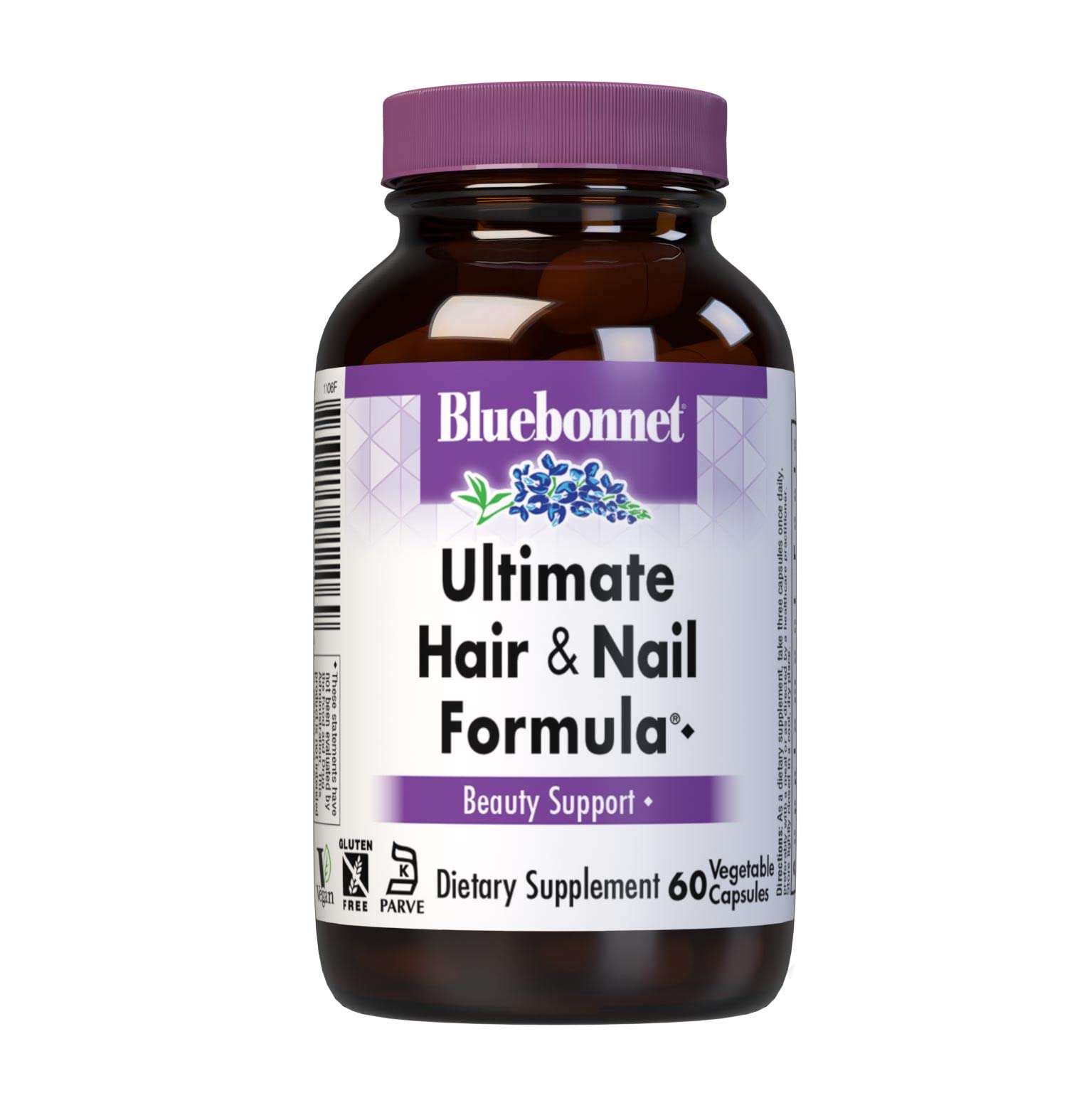
Despite the name, this product's headline hair and skin ingredients fall well short of clinical doses. **Collagen** is listed at just 50 mg in an unhydrolyzed gelatin form — clinical studies use 2,500–10,000 mg of hydrolyzed peptides, so you're getting roughly 1% of a studied dose. **Biotin** at 5,000 mcg is the one ingredient at a meaningful level, though research supporting biotin for hair growth is largely limited to people with actual deficiency.
**Vitamin D3** at 1,000 IU hits the minimum clinical threshold, and the formula includes a basic spread of B vitamins — though all use budget forms like cyanocobalamin and folic acid rather than their bioactive counterparts. **Magnesium** is dosed at 50 mg in oxide form, which has roughly 4% absorption, giving you very little usable mineral. **Zinc** at 7.5 mg lands at half the minimum supplement range.
The biggest gap is the one that matters most for a hair, skin, and nails product: the collagen and supporting ingredients are dosed so far below clinical ranges that they won't meaningfully contribute to skin or hair outcomes. You're essentially getting a basic multivitamin with a high-dose biotin add-on.
BioStacks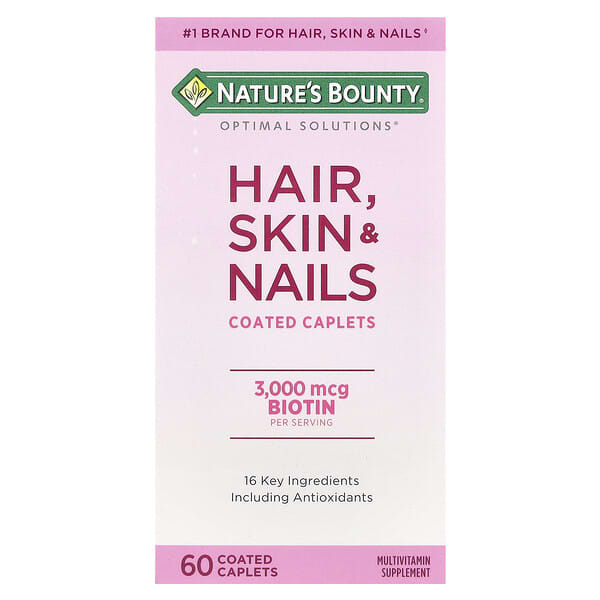
Best for
Ingredients (23)
Vitamin D3
100%Dose
1000 IU
Target
1000–5000 IU
Form
Premium
Biotin
100%Dose
5000 mcg
Target
1000–5000 mcg
Form
—
Vitamin B6
100%Dose
5 mg
Target
1.3–25 mg
Form
Premium
Niacin
100%Dose
25 mg
Target
25–500 mg
Form
Standard
Vitamin A
100%Dose
1500 mcg
Target
700–1500 mcg
Form
Standard
Other Ingredients (10)
TalcAnti-caking
IARC classifies cosmetic-grade talc not containing asbestos as Group 2B (possibly carcinogenic to humans); perineal talc use as Group 2A (probably carcinogenic). Johnson & Johnson voluntarily withdrew talc-based baby powder from US/Canada in 2020 and globally in 2022 after extensive litigation tied to ovarian-cancer and mesothelioma cases. The 2018 FDA contamination survey found asbestos in 9 of 52 cosmetic talc products tested. As a supplement excipient talc is a pure manufacturing convenience — no nutritional or functional benefit to the user — so the asbestos-exposure risk has no offsetting upside. Safer alternatives (silicon dioxide, microcrystalline cellulose, rice hulls) are widely available.
Polysorbate 80Emulsifier
Chassaing et al. 2015 (Nature, PMID 25731162) tested polysorbate 80 directly and showed it thinned the gut mucus barrier, altered microbiota composition, and induced low-grade inflammation and metabolic syndrome in mice. The strongest human evidence is for a related emulsifier rather than polysorbate 80 itself: Chassaing 2022 (Gastroenterology, PMID 34774538) was a controlled human feeding RCT of carboxymethylcellulose (CMC) that found microbial encroachment into the mucus layer — polysorbate 80 has not been tested in an equivalent human trial. In vitro work (e.g. Roberts 2010) shows polysorbate 80 enhances bacterial translocation across intestinal epithelium, and observational data link overall dietary-emulsifier exposure to IBD risk. EFSA is mid re-evaluation of polysorbates (E432–E436). For a supplement excipient with purely cosmetic function (improving the look/texture of soft gels and liquids), the gut-barrier risk profile is unfavorable when safer alternatives (sunflower lecithin, MCT carriers, gum acacia) are widely available.
MaltodextrinBinder
Spikes blood sugar faster than table sugar (glycemic index 85–105). Research links it to gut bacteria changes that may promote intestinal inflammation (Nickerson et al. 2015). Used as a cheap filler — adds nothing beneficial.
Magnesium StearateLubricant
A salt of stearic acid used as a lubricant in tablet and capsule production
Polyethylene Glycol (Coating)Coating
A polyether polymer used as a tablet coating and plasticizer
Polyvinyl AlcoholCoating
Synthetic, water-soluble polymer used as a film former and binder in immediate-release tablet coatings
Silicon DioxideAnti-caking
Fine silica powder used to prevent clumping
Microcrystalline CelluloseBinder
Plant-derived cellulose used as a binder and filler in supplements
How to Take It
Take it anytime
No evidence a formula this broad works better at any particular hour. Take it with a meal containing fat — the vitamins A, D and E in it absorb poorly without one.
With a meal containing fat
Keep it away from high-oxalate foods like spinach
Space it a couple of hours from Iron
On the label
Directions: As a dietary supplement, adults take three (3) tablets daily with any meal or as directed by a healthcare provider.
General guidance based on the ingredients, not a substitute for the label or your doctor.
Price Check
$9.99
Cheaper than 95% of 798 multivitamins
Track this supplement in your stack
Get personalized insights, interactions, and coverage recommendations.
Get Started FreeSimilar Supplements
Nature's Bounty
Optimal Solutions®, Hair, Skin & Nails, 60 Coated Caplets
🦷 for Dental
50
Nature's Bounty
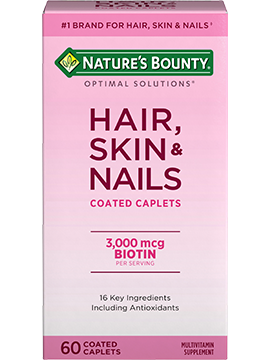
Hair, Skin & Nails 3000 mcg Biotin
🦷 for Dental
51
Solaray
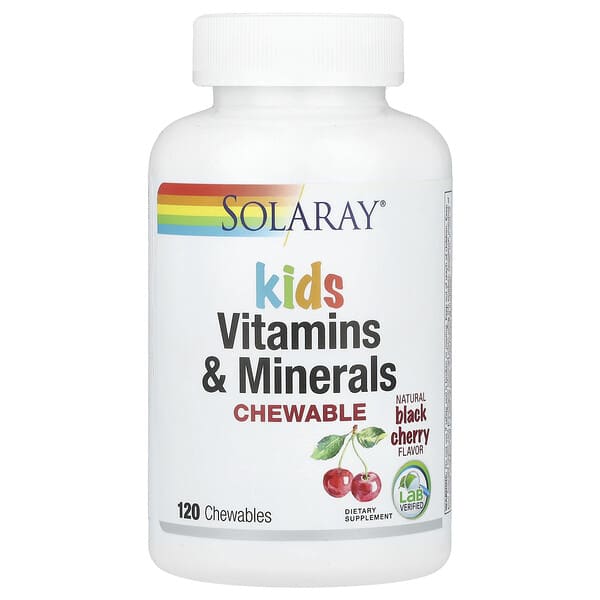
Kids Vitamins & Minerals Chewable, Natural Black Cherry, 120 Chewables
🤰 for Pregnancy
40
Solaray
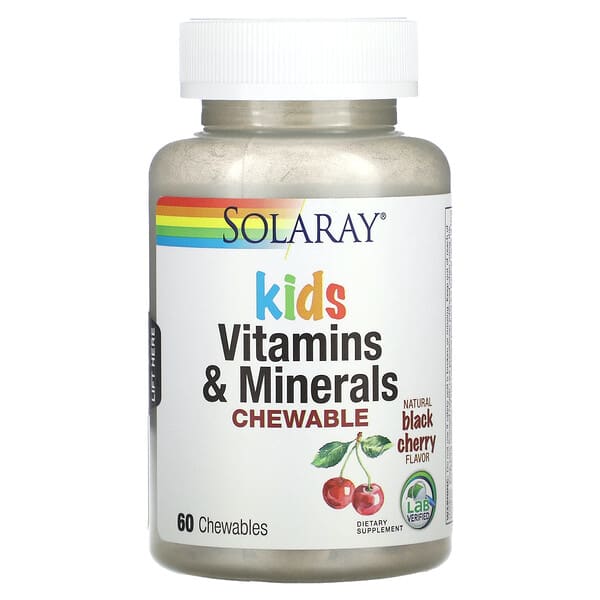
Kids Vitamins & Minerals Chewable, Natural Black Cherry, 60 Chewables
🤰 for Pregnancy
41
Bluebonnet
Ultimate Hair & Nail Formula
🛡️ for Immune
67
Sources & Scoring
Nutrient data (RDA, UL, and safety thresholds) sourced from the NIH Office of Dietary Supplements and the National Academies Dietary Reference Intakes (DRI).
This is not medical advice. Consult a healthcare provider before making changes to your supplement routine.
The score analyzes what's on the label: ingredient doses vs. studied ranges, chemical forms, evidence levels, and known interactions. It does not verify label accuracy or test for contaminants — for that, look for third-party certifications like USP or NSF.