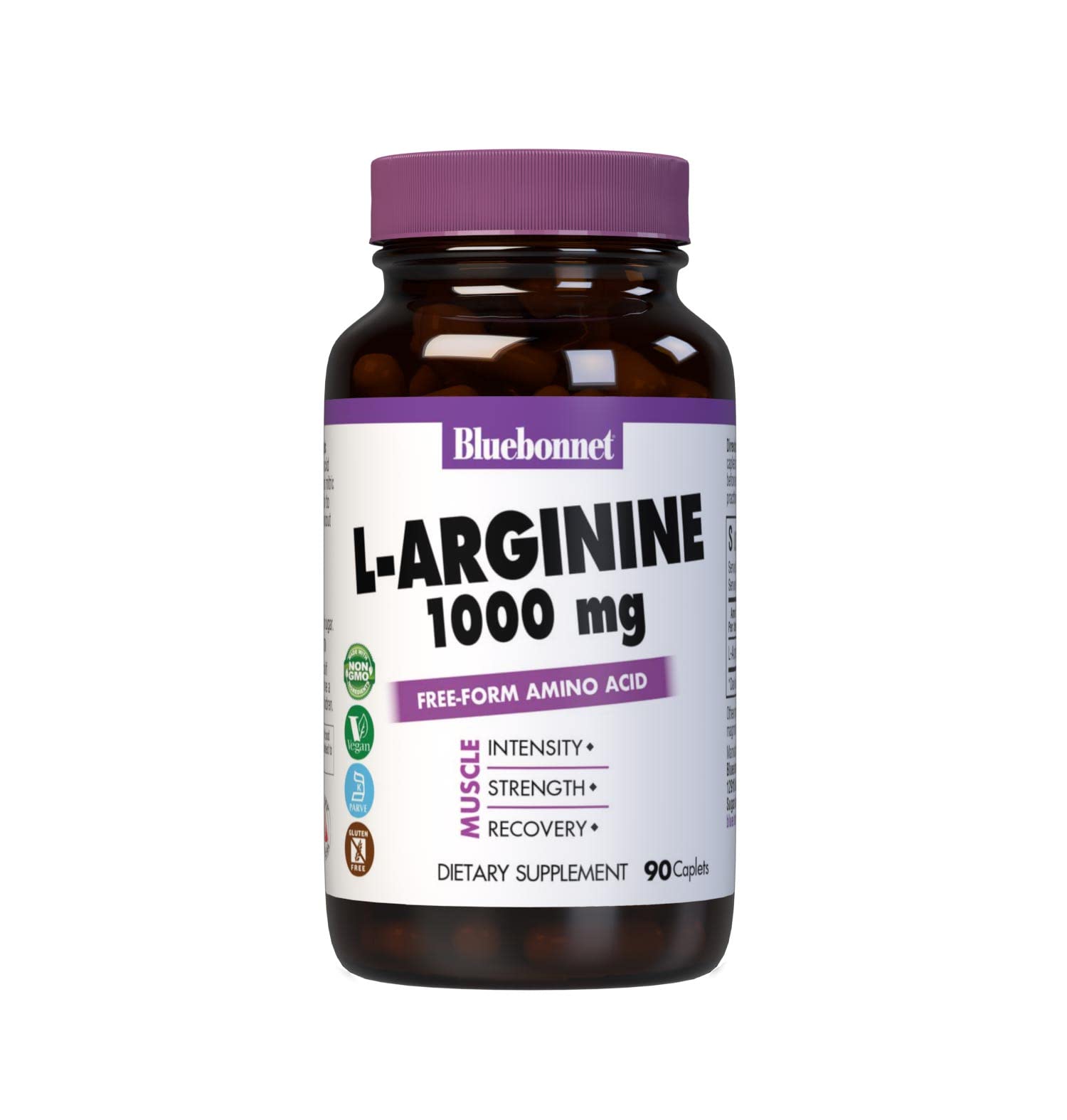
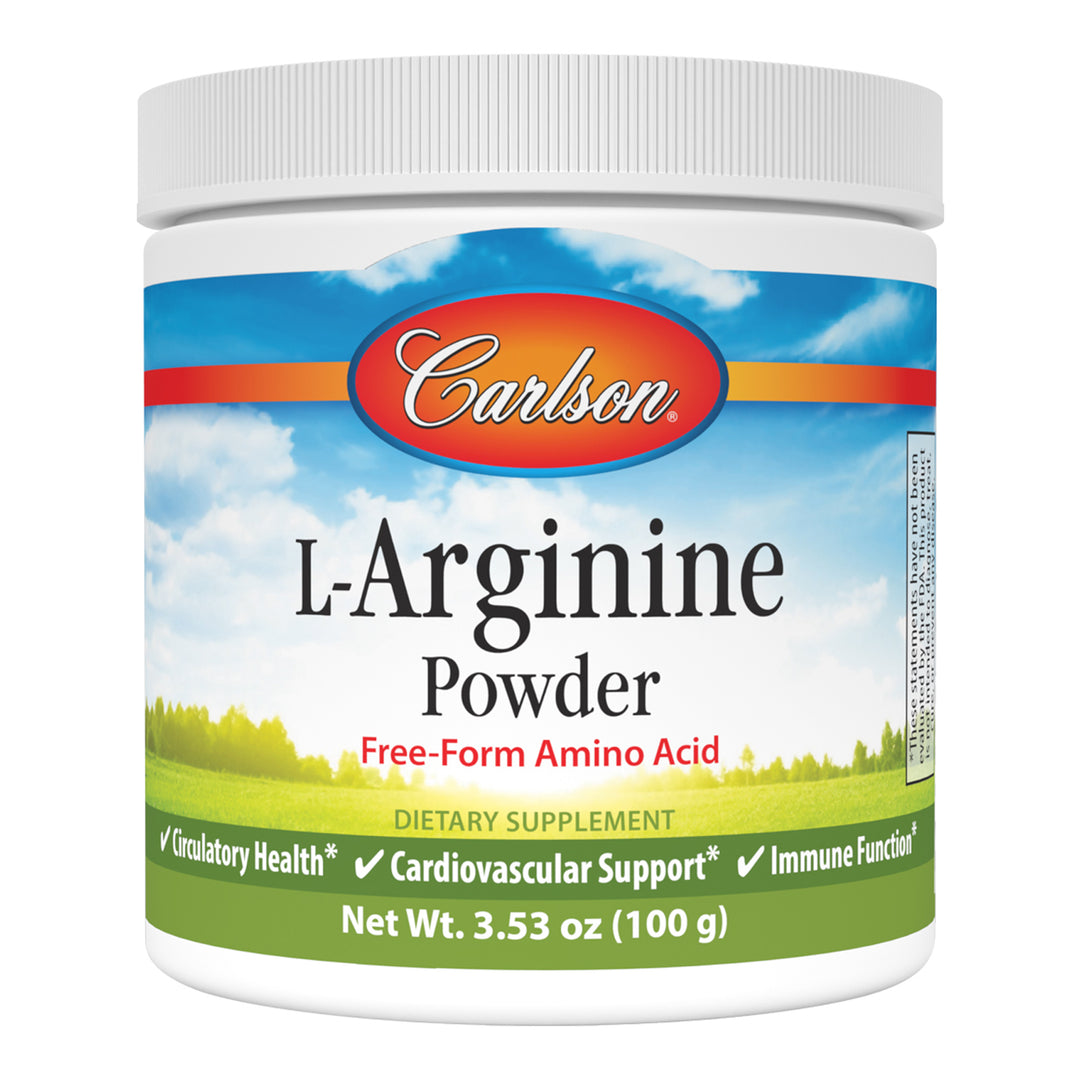
For blood flow and cardiovascular support, **L-Arginine** needs to be dosed between 2,000–6,000 mg daily based on clinical research. This product gives you 1,000 mg per tablet (as L-Arginine HCl), which means you'd need at least two tablets to reach the minimum studied dose for nitric oxide and circulation benefits.
The hydrochloride form is standard and well-absorbed, so nothing about the form is holding you back — the limiting factor is purely the per-serving dose. If you're comfortable taking 2–3 tablets, you can reach the 2,000–3,000 mg range where research starts to show effects on blood flow and exercise performance.
One thing to keep in mind: at a single tablet, you're sitting at 50% of the minimum clinical dose. If your goal is cardiovascular support or workout performance, plan on a multi-tablet serving to get meaningful results.
BioStacks
Best for
Ingredients (1)
L-Arginine
50%Dose
1000 mg
Target
2000–6000 mg
Form
Premium
Other Ingredients (10)
TalcAnti-caking
IARC classifies cosmetic-grade talc not containing asbestos as Group 2B (possibly carcinogenic to humans); perineal talc use as Group 2A (probably carcinogenic). Johnson & Johnson voluntarily withdrew talc-based baby powder from US/Canada in 2020 and globally in 2022 after extensive litigation tied to ovarian-cancer and mesothelioma cases. The 2018 FDA contamination survey found asbestos in 9 of 52 cosmetic talc products tested. As a supplement excipient talc is a pure manufacturing convenience — no nutritional or functional benefit to the user — so the asbestos-exposure risk has no offsetting upside. Safer alternatives (silicon dioxide, microcrystalline cellulose, rice hulls) are widely available.
Titanium DioxideColorant
Banned in the EU (2022) over concerns that its ultra-fine particles may damage DNA in gut cells. Still allowed in the US. Used only for white coloring — provides no health benefit.
Magnesium StearateLubricant
A salt of stearic acid used as a lubricant in tablet and capsule production
ShellacCoating
Natural resin secreted by the lac bug, used as a coating and glazing agent for tablets and pills
Polyethylene Glycol (Coating)Coating
A polyether polymer used as a tablet coating and plasticizer
Polyvinyl AlcoholCoating
Synthetic, water-soluble polymer used as a film former and binder in immediate-release tablet coatings
Silicon DioxideAnti-caking
Fine silica powder used to prevent clumping
Microcrystalline CelluloseBinder
Plant-derived cellulose used as a binder and filler in supplements
How to Take It
Take it anytime
Take between meals — food blunts the rise in plasma arginine.
On an empty stomach
General guidance based on the ingredients, not a substitute for the label or your doctor.
Price Check
No price yet
What 64 arginine supplements cost
Track this supplement in your stack
Get personalized insights, interactions, and coverage recommendations.
Get Started FreeSimilar Supplements
Sources & Scoring
Nutrient data (RDA, UL, and safety thresholds) sourced from the NIH Office of Dietary Supplements and the National Academies Dietary Reference Intakes (DRI).
This is not medical advice. Consult a healthcare provider before making changes to your supplement routine.
The score analyzes what's on the label: ingredient doses vs. studied ranges, chemical forms, evidence levels, and known interactions. It does not verify label accuracy or test for contaminants — for that, look for third-party certifications like USP or NSF.