Each softgel delivers 1,000mg of fish oil, but the numbers that matter are **EPA** (180mg) and **DHA** (120mg) — just 300mg of combined active omega-3s per capsule. Following the label's 2–3 softgels daily puts you at 600–900mg EPA+DHA, which falls short of the 1,000–2,000mg range used in most clinical research on heart and brain health.
The fish oil is described as ultra-pure cold-water concentrate, but there's no mention of the molecular form — triglyceride vs. ethyl ester — which significantly affects how well your body absorbs it. Without that detail, you can't be sure you're getting optimal uptake from what's already a modest EPA+DHA dose.
To reach a clinically meaningful dose, you'd need 4–5 softgels daily, which cuts through the 180-count bottle faster than the label suggests. If heart or brain support is your primary goal, look for a product with higher EPA+DHA concentration per softgel so you can hit the studied range without the extra pill burden.
BioStacks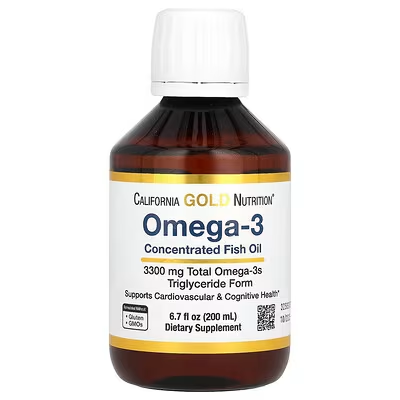
Other Ingredients (3)
GelatinCapsule
Protein derived from collagen, used in traditional capsule shells
GlycerinHumectant
Sweet-tasting liquid used in soft capsules and liquids
Purified WaterSolvent
Water meeting USP specifications used as solvent/vehicle in gummies and liquids
How to Take It
Take it anytime
Take with a meal — absorption improves with dietary fat and it prevents fishy burps.
With food
Split into 2 doses across the day
On the label
Take one softgel two to three times daily.
General guidance based on the ingredients, not a substitute for the label or your doctor.
Price Check
$17.19
Cheaper than 79% of 382 omega-3 supplements
Track this supplement in your stack
Get personalized insights, interactions, and coverage recommendations.
Get Started FreeSimilar Supplements
Momentous
Omega-3
❤️ for Heart
100
California Gold Nutrition
Norwegian Extra Strength Omega 3 Fish Oil, Natural Lemon, 6.7 fl oz (200 ml)
❤️ for Heart
99
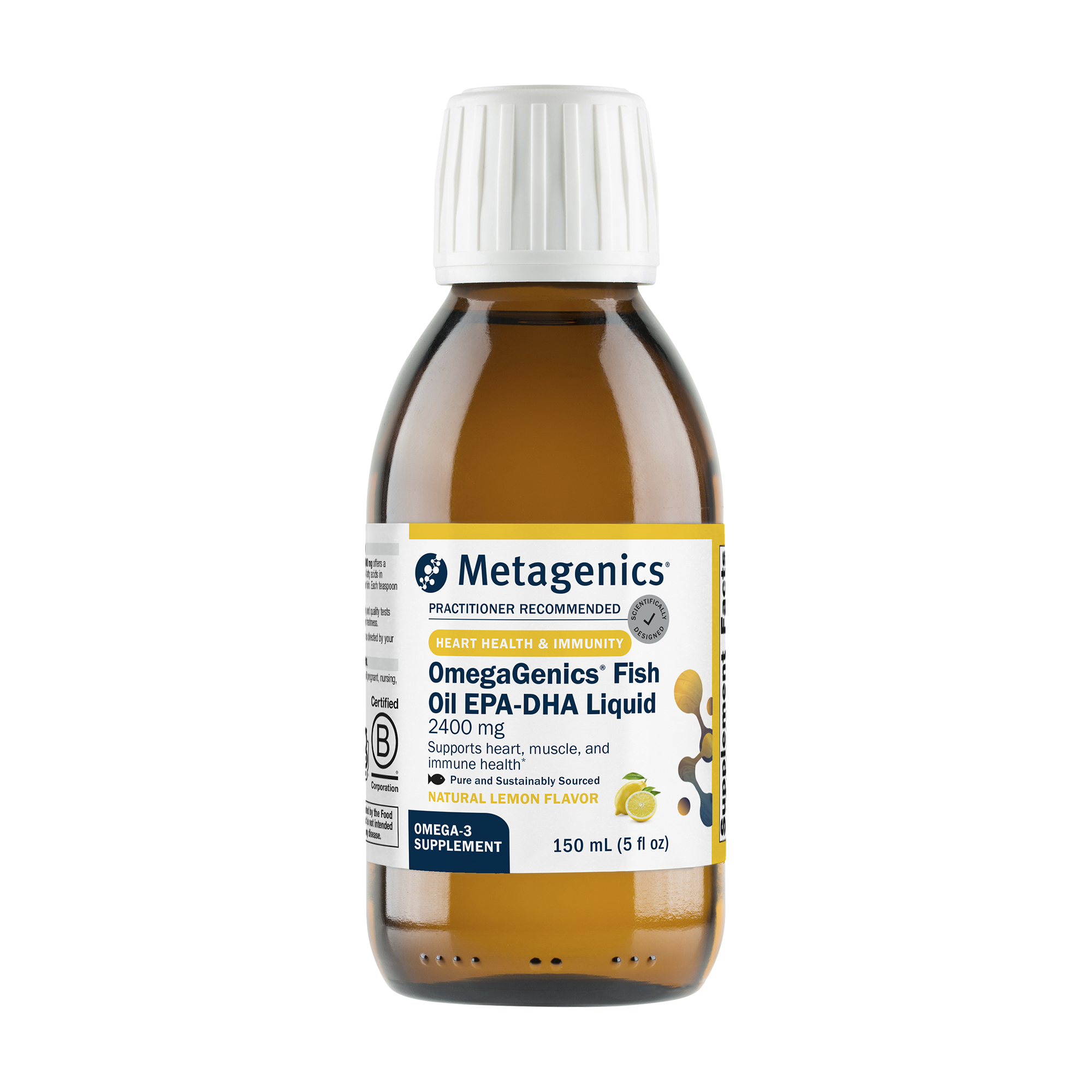
Metagenics
OmegaGenics Fish Oil EPA-DHA 2400 mg (Lemon)
❤️ for Heart
99
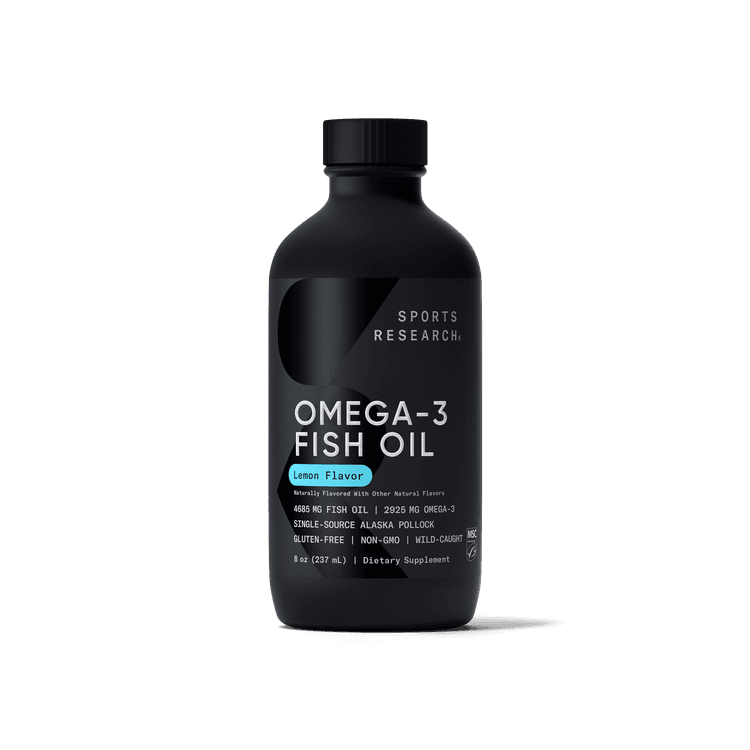
Sports Research
Omega-3 Fish Oil Liquid (Lemon Flavor)
❤️ for Heart
99
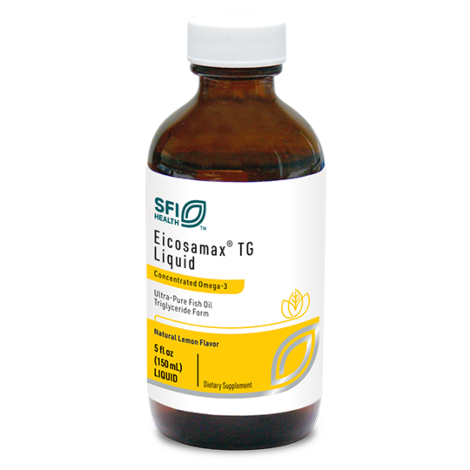
SFI Health
Eicosamax TG Liquid Natural Lemon Flavor
❤️ for Heart
98
Sources & Scoring
Nutrient data (RDA, UL, and safety thresholds) sourced from the NIH Office of Dietary Supplements and the National Academies Dietary Reference Intakes (DRI).
This is not medical advice. Consult a healthcare provider before making changes to your supplement routine.
The score analyzes what's on the label: ingredient doses vs. studied ranges, chemical forms, evidence levels, and known interactions. It does not verify label accuracy or test for contaminants — for that, look for third-party certifications like USP or NSF.