If you're after sleep, muscle relaxation, or general wellbeing support, don't let the "1000mg" on the label mislead you — the actual elemental **Magnesium** per tablet is 334 mg, which is what your body absorbs and uses. That said, 334 mg is a strong dose, landing near the top of the 100–400 mg clinical supplemental range.
The formula blends four magnesium forms: oxide (209 mg), phosphate (50 mg), amino acid chelate (50 mg), and citrate (25 mg). The chelate and citrate portions absorb well, but the majority comes from magnesium oxide, which has significantly lower bioavailability — typically around 4% absorption. This means your actual absorbed magnesium is considerably less than the 334 mg on the label.
The key tradeoff here is that while the total elemental dose looks generous, the heavy reliance on oxide means you're not getting as much usable magnesium as the number suggests. If sleep or muscle recovery is your goal, a product using primarily glycinate or citrate would deliver more per milligram.
BioStacks
Other Ingredients (1)
Coating (unspecified)Coating
Generic tablet coating declaration where the label does not itemize the coating's components; modern aqueous film coatings are typically cellulose-based (HPMC) with a plasticizer
How to Take It
Best taken in the evening
Magnesium citrate pulls water into the bowel — mildly laxative at higher doses. Evening suits that; split the dose or switch to glycinate if it's too much.
With or without food
Space it a couple of hours from Iron and Calcium
On the label
Adults - Take 1 tablet per day with meals, or as professionally prescribed. Children (under 15 years) - Only as professionally prescribed.
General guidance based on the ingredients, not a substitute for the label or your doctor.
Price Check
No price yet
What 579 magnesium supplements cost
Track this supplement in your stack
Get personalized insights, interactions, and coverage recommendations.
Get Started FreeSimilar Supplements
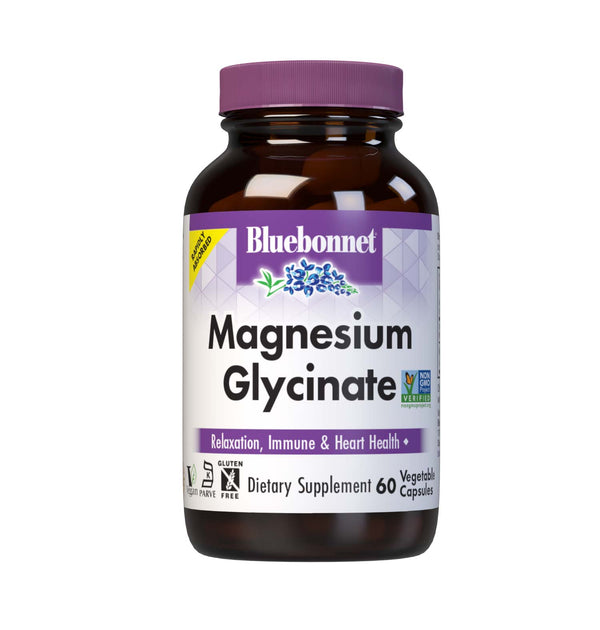
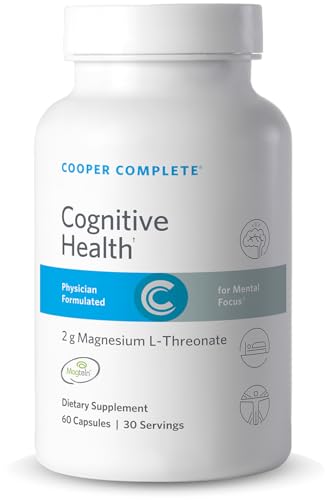
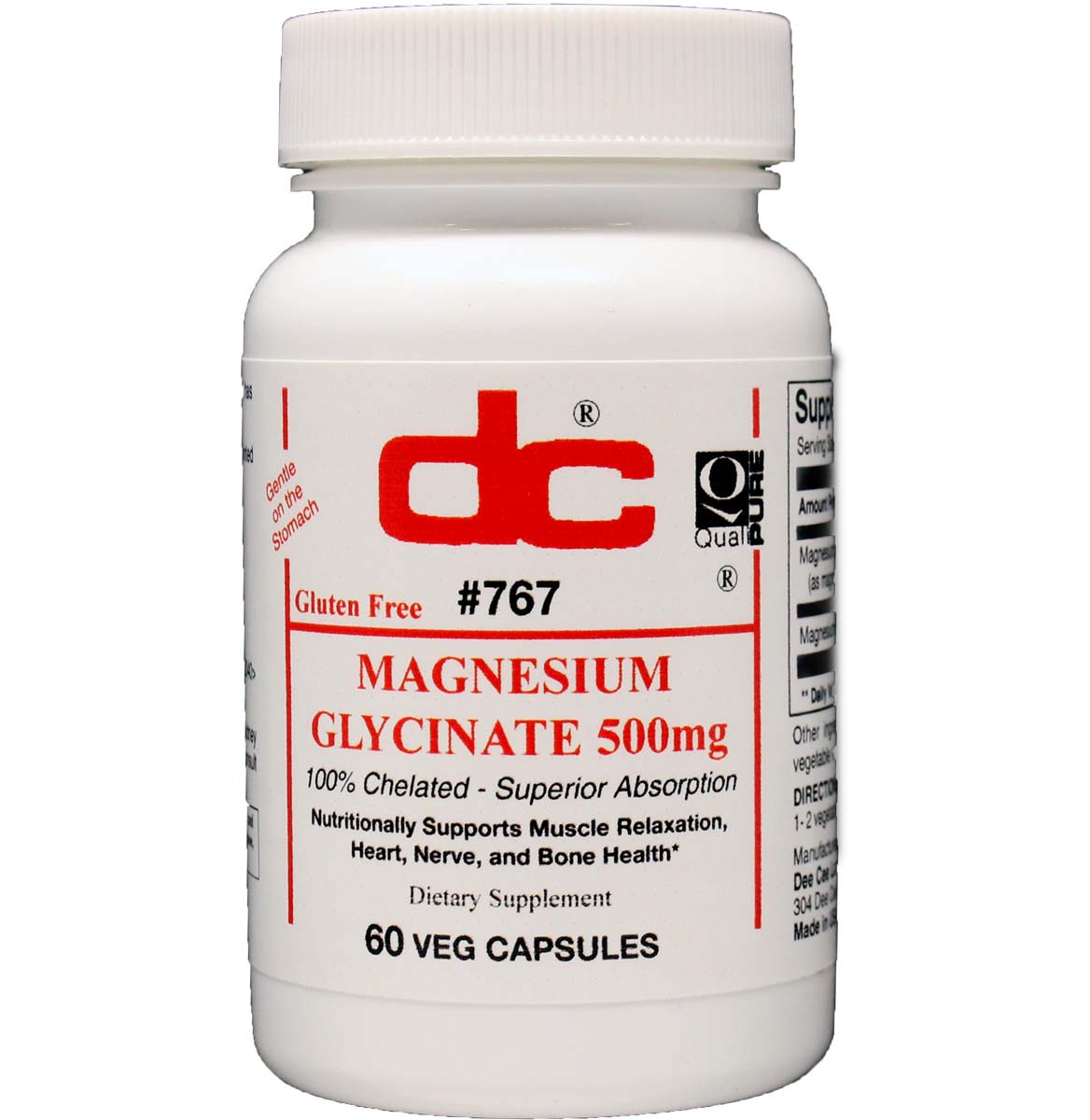
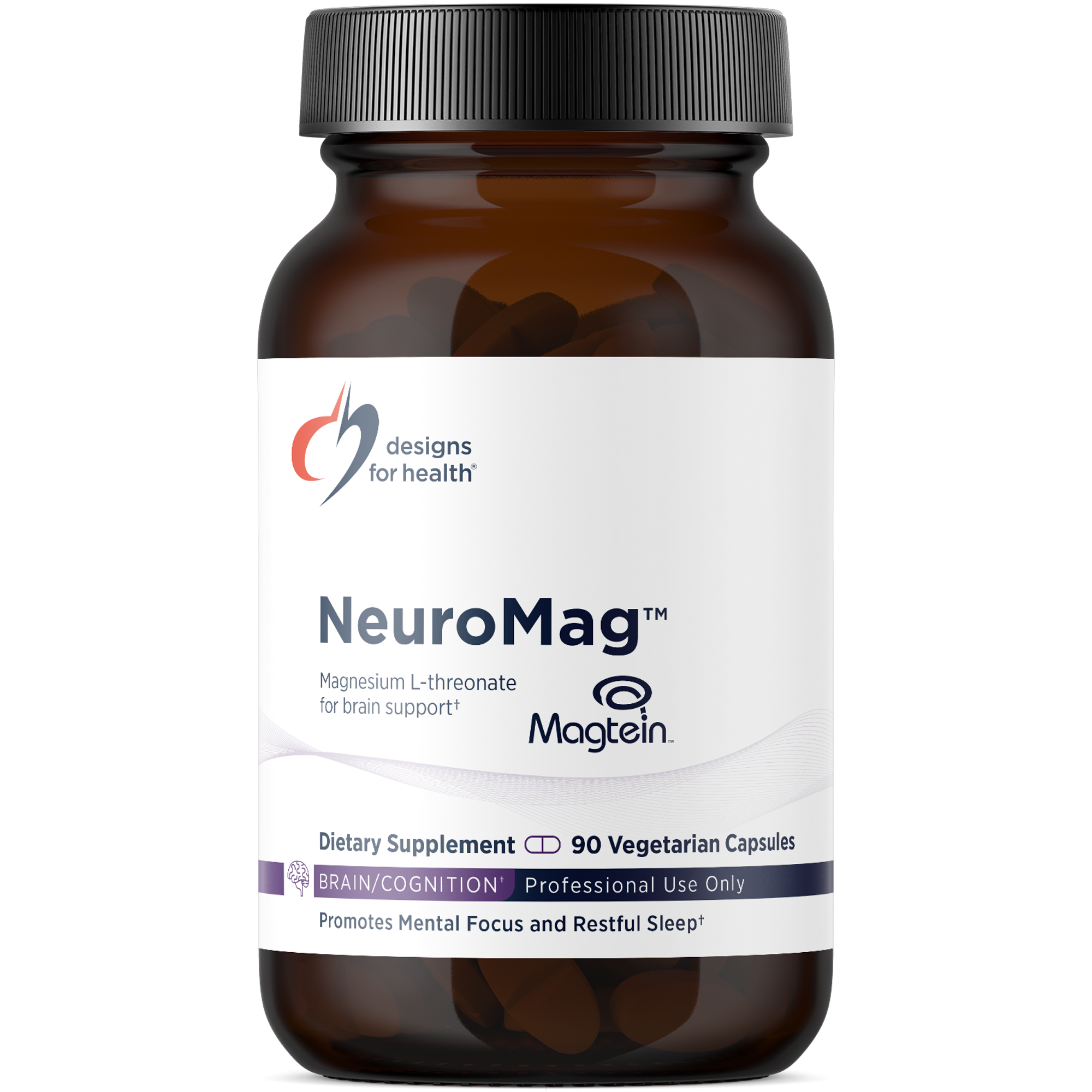
Sources & Scoring
Nutrient data (RDA, UL, and safety thresholds) sourced from the NIH Office of Dietary Supplements and the National Academies Dietary Reference Intakes (DRI).
This is not medical advice. Consult a healthcare provider before making changes to your supplement routine.
The score analyzes what's on the label: ingredient doses vs. studied ranges, chemical forms, evidence levels, and known interactions. It does not verify label accuracy or test for contaminants — for that, look for third-party certifications like USP or NSF.