You're getting 420mg of **Magnesium** per tablespoon — right at the top of the clinical supplemental range (100–400mg) used in research on muscle function, energy production, and sleep quality. The liquid format means faster absorption than tablets or capsules, and the citrate form absorbs well, making this a solid option if you're looking to correct low magnesium levels or support relaxation.
Magnesium deficiency is extremely common — estimated to affect over half the population — and your body uses it in hundreds of processes, from keeping your heart rhythm steady to supporting bone density and nervous system function. At this dose, you're fully covered for general supplementation across those areas.
One thing to note: 420mg exceeds the tolerable upper limit of 350mg for supplemental magnesium, and citrate has a mild laxative effect at higher doses. If you experience GI discomfort, splitting the serving into two half-tablespoons throughout the day is worth trying.
BioStacks
Best for
Ingredients (1)
Magnesium
100%Dose
420 mg
Target
100–400 mg
Form
Standard
Nutrition
Calories, macros & sodium.
- Calories10 Calorie(s)
- Total Carbohydrates4 Gram(s)
- Total Sugars1 Gram(s)
Other Ingredients (8)
CarrageenanThickener
Can break down into poligeenan (a known inflammatory) under stomach acid conditions. Tobacman (2001, Environmental Health Perspectives) reviewed evidence linking carrageenan to intestinal inflammation and ulceration. Major food brands (Silk, Stonyfield) have voluntarily removed it. Used only as a thickener — provides no health benefit.
FructoseSweetener
Added free fructose is metabolized in the liver and at habitual intake is linked to elevated triglycerides, hepatic fat accumulation, and insulin resistance; an avoidable sugar load with no supplement benefit.
Natural FlavorsFlavor
Broad regulatory category of flavor constituents derived from natural sources. Composition is proprietary and not disclosed — 'Natural Flavors' can include several hundred different compounds depending on the target flavor profile, including hexane-extracted constituents and proprietary carrier solvents. 'Natural' is a regulatory definition (21 CFR §101.22), not a safety guarantee.
Potassium SorbatePreservative
Natural preservative derived from sorbic acid
Citric AcidAcidulant
Natural acid derived from citrus fruits
Stevia ExtractSweetener
Zero-calorie natural sweetener extracted from the leaves of Stevia rebaudiana
Purified WaterSolvent
Water meeting USP specifications used as solvent/vehicle in gummies and liquids
Xanthan GumThickener
Natural thickener from fermented carbohydrates
How to Take It
Best taken in the evening
Magnesium citrate pulls water into the bowel — mildly laxative at higher doses. Evening suits that; split the dose or switch to glycinate if it's too much.
With or without food
Space it a couple of hours from Iron and Calcium
On the label
Directions: As a dietary supplement, take one tablespoon (15 mL) daily or as directed by a healthcare practitioner. Shake well before serving.
General guidance based on the ingredients, not a substitute for the label or your doctor.
Price Check
$17.20
Cheaper than 65% of 579 magnesium supplements
Track this supplement in your stack
Get personalized insights, interactions, and coverage recommendations.
Get Started FreeSimilar Supplements
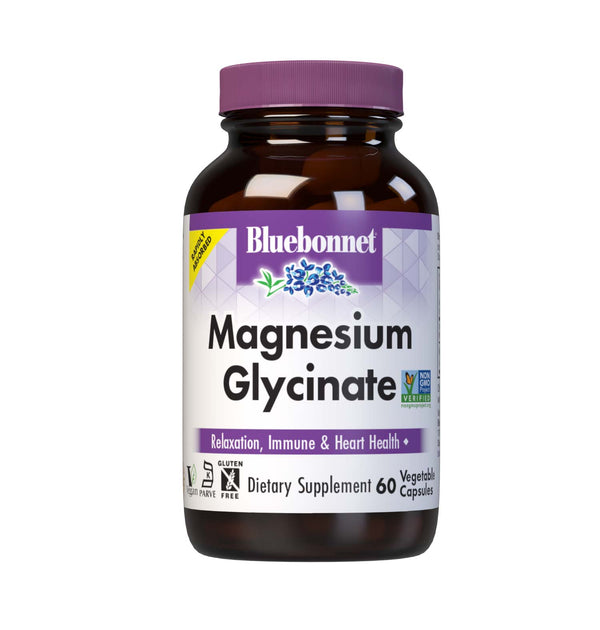
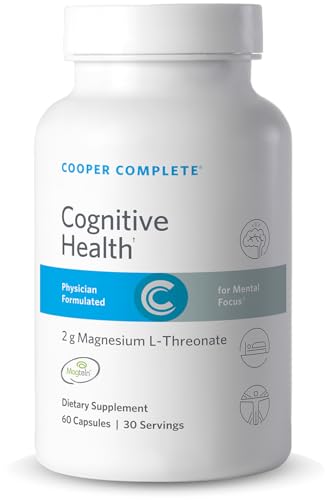
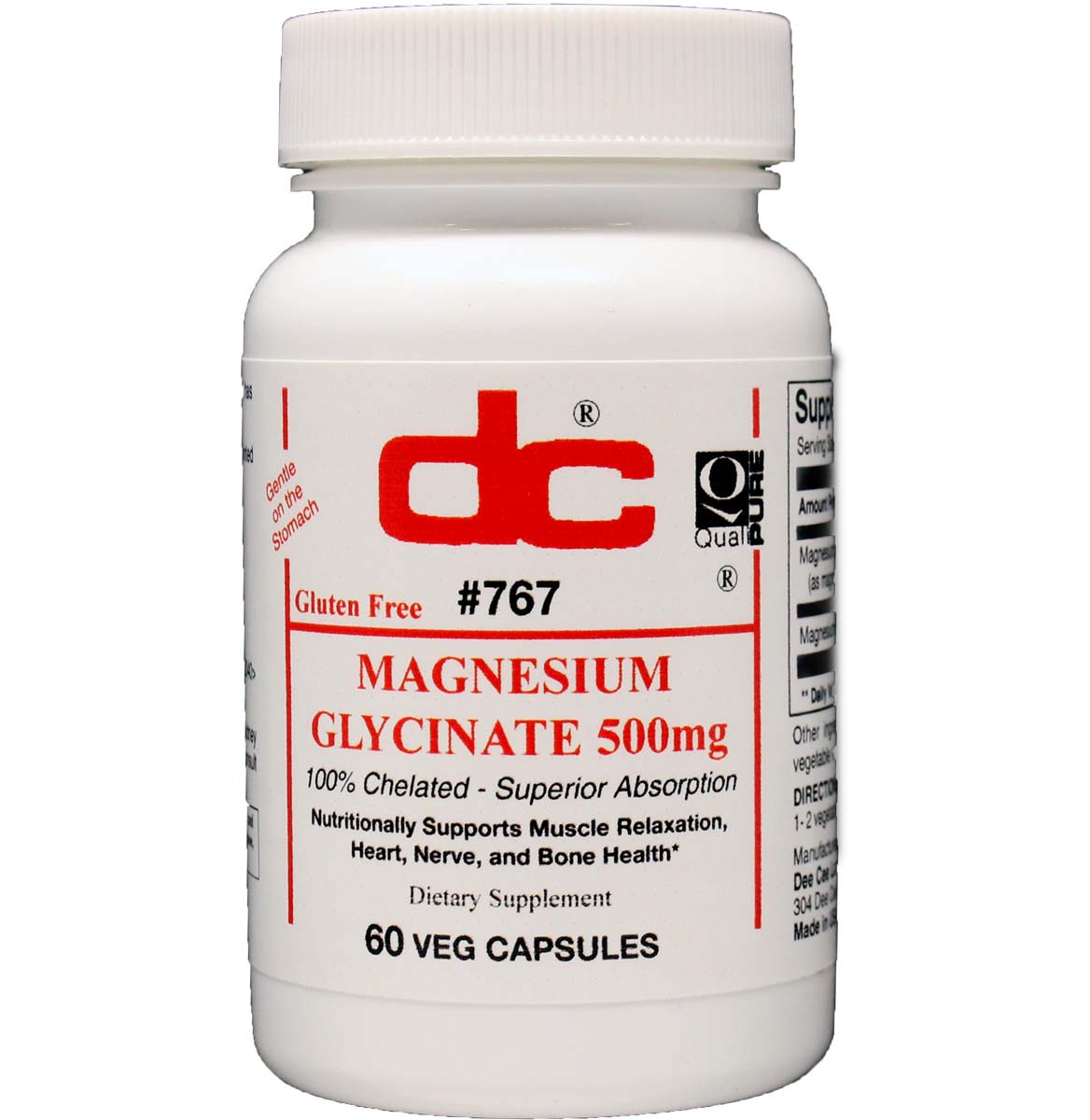
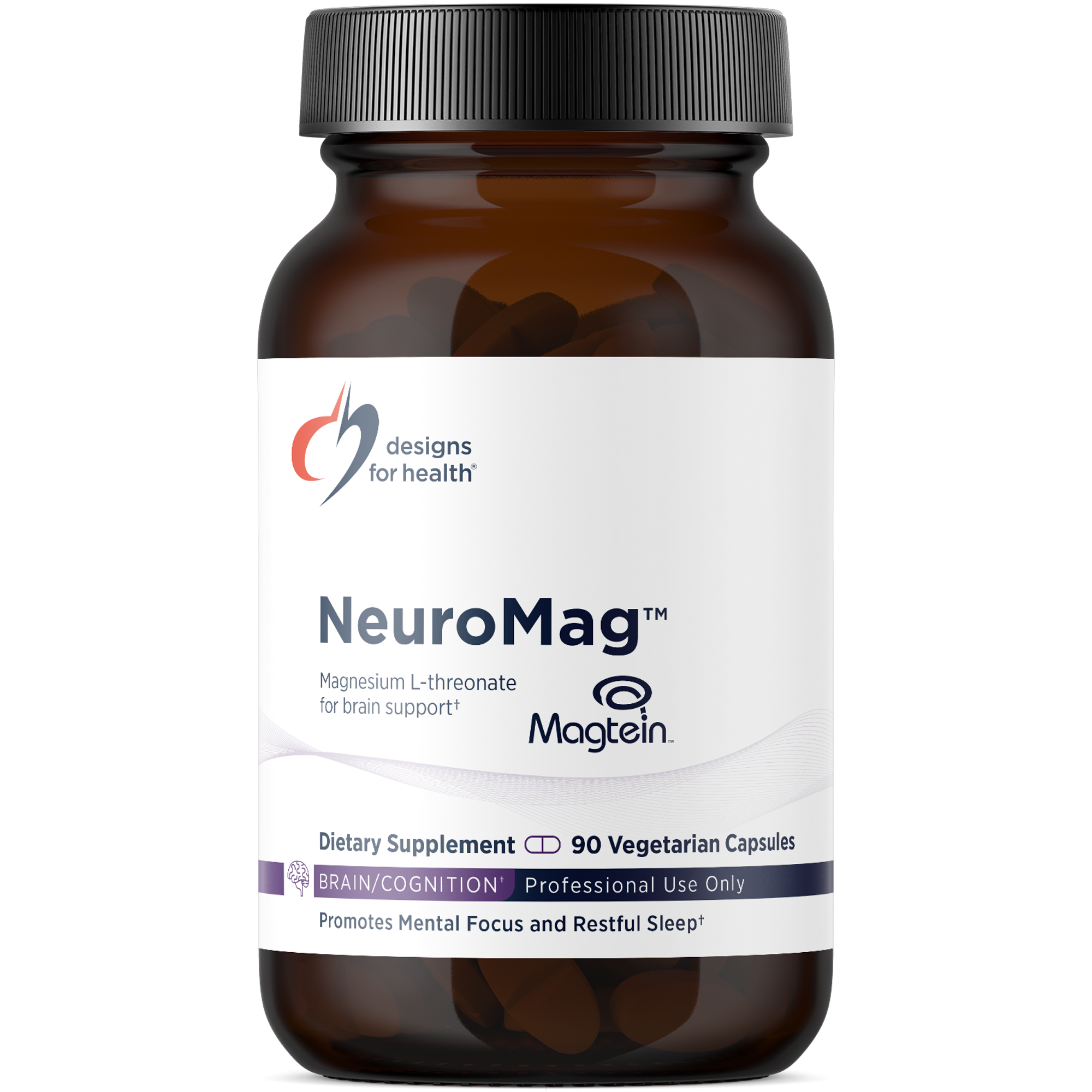
Sources & Scoring
Nutrient data (RDA, UL, and safety thresholds) sourced from the NIH Office of Dietary Supplements and the National Academies Dietary Reference Intakes (DRI).
This is not medical advice. Consult a healthcare provider before making changes to your supplement routine.
The score analyzes what's on the label: ingredient doses vs. studied ranges, chemical forms, evidence levels, and known interactions. It does not verify label accuracy or test for contaminants — for that, look for third-party certifications like USP or NSF.