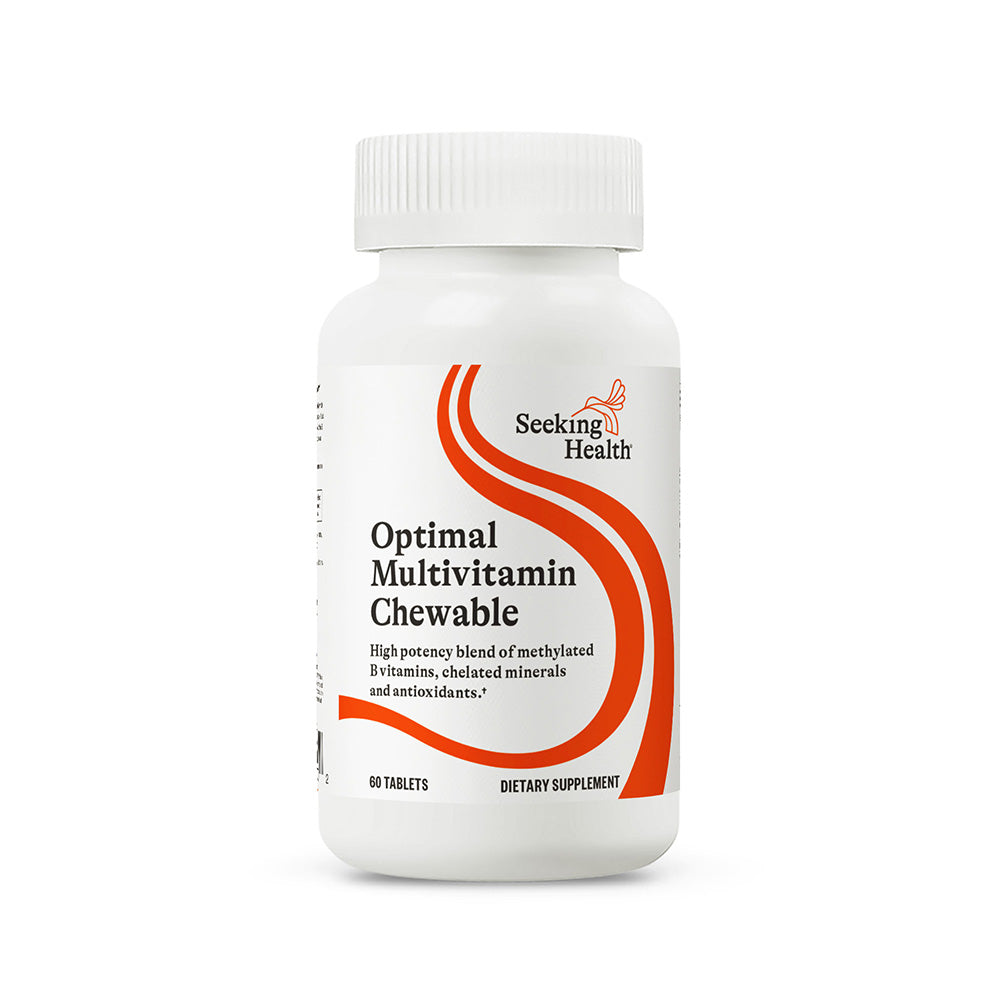
If you're looking for cognitive and brain health support, this multivitamin pairs a strong B-complex core with targeted cognitive extras. Your B vitamins are well-dosed — **Vitamin B12** at 500 mcg as methylcobalamin, **Folate** at 400 mcg as methylfolate, and **B6** at 25 mg including the active P5P form. **Vitamin D3** at 2,000 IU (50 mcg) hits the clinical sweet spot. The mineral forms are premium across the board, with **Zinc** (20 mg bisglycinate), **Selenium** (100 mcg), and **Chromium** (200 mcg picolinate) all at clinically relevant doses.
The Brain-Boosting Blend includes 300 mg of **Alpha-Lipoic Acid** — right at the clinical minimum — plus 175 mg acetyl-L-carnitine and 50 mg phosphatidylserine. What this means for you: **CoQ10** at 50 mg (as ubiquinone) is below the typical 100–300 mg range but still a meaningful inclusion.
The weak spots are the extras dosed too low to matter: **Resveratrol** at 10 mg (clinical range starts at 150 mg), **Lutein** at 3 mg (studies use 10–20 mg), and **Hesperidin** at 20 mg (studies use 500+ mg). These are present on the label but unlikely to contribute to your outcomes.
BioStacks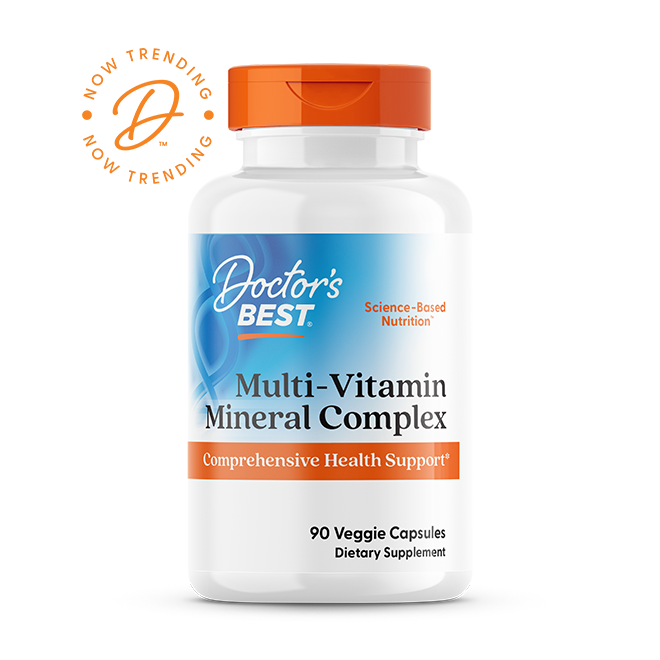
Best for
Ingredients (36)
Manganese
100%Dose
5 mg
Target
1.8–5 mg
Form
Premium
Zinc
100%Dose
20 mg
Target
15–30 mg
Form
Premium
Vitamin D
100%Dose
2000 IU
Target
1000–5000 IU
Form
Premium
Vitamin B12
100%Dose
500 mcg
Target
250–5000 mcg
Form
Premium
Folate
100%Dose
400 mcg
Target
400–800 mcg
Form
Premium
Other Ingredients (5)
Magnesium StearateLubricant
A salt of stearic acid used as a lubricant in tablet and capsule production
Silicon DioxideAnti-caking
Fine silica powder used to prevent clumping
Spirulina Extract (Color)Colorant
Natural blue colorant derived from the cyanobacterium Arthrospira platensis (spirulina); the pigment is phycocyanin
Microcrystalline CelluloseBinder
Plant-derived cellulose used as a binder and filler in supplements
Microcrystalline CelluloseBinder
Plant-derived cellulose used as a binder and filler in supplements
How to Take It
Take it anytime
No evidence a formula this broad works better at any particular hour. Take it with a meal containing fat — the vitamins A, D, E and K in it absorb poorly without one.
With a meal containing fat
Space it a couple of hours from Iron and Calcium
On the label
Take 4 capsules per day with food. Do not exceed 8 capsules per day. Children ages 9-18 take 1 capsule per 40 lbs. of body weight, up to 4 capsules. Not intended for children under 9.
General guidance based on the ingredients, not a substitute for the label or your doctor.
Price Check
$51.95
Pricier than 84% of 798 multivitamins
Track this supplement in your stack
Get personalized insights, interactions, and coverage recommendations.
Get Started FreeSimilar Supplements
Doctor's Best
Multi-Vitamin with Vitashine D3 and Quatrefolic
💊 for General Health
89
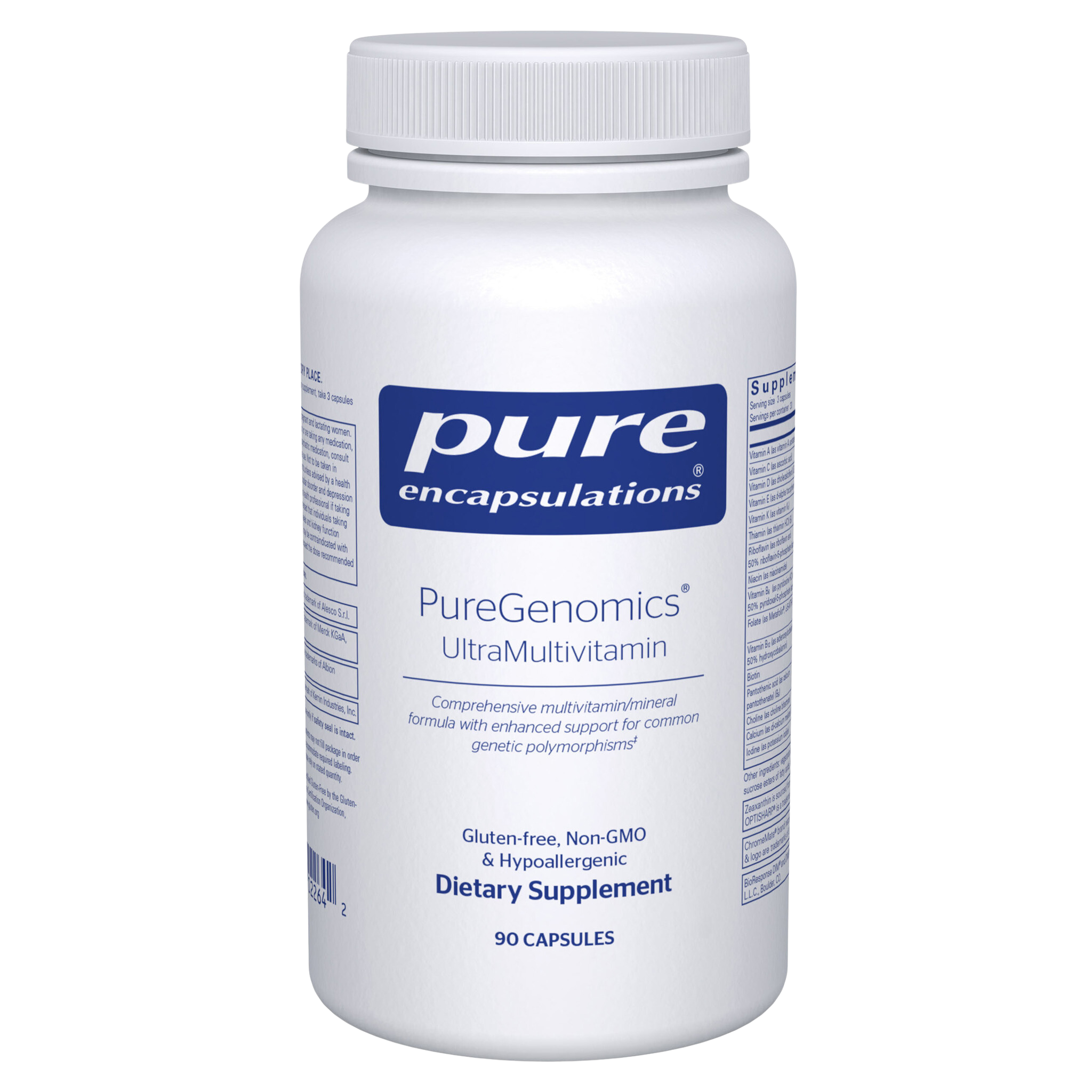
Pure Encapsulations
PureGenomics UltraMultivitamin
🛡️ for Immune
76
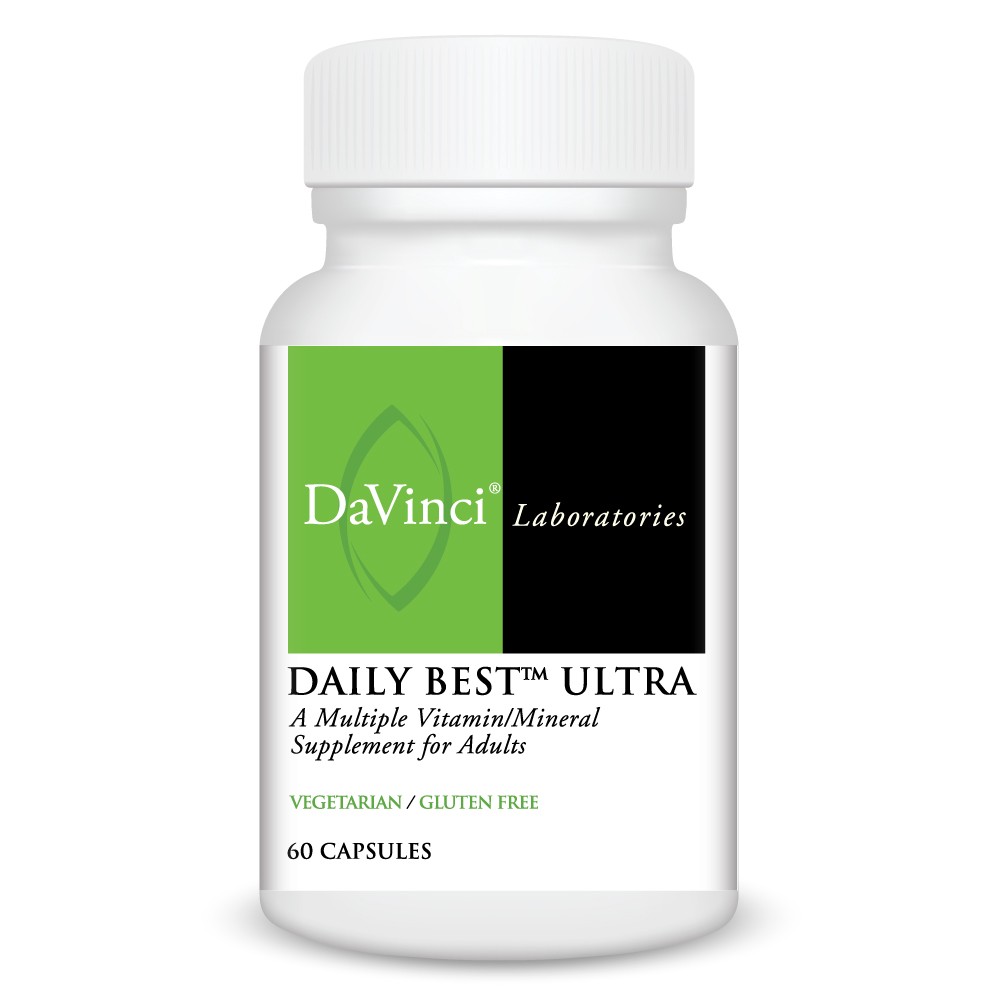
DaVinci Laboratories
Daily Best Ultra
🛡️ for Immune
77
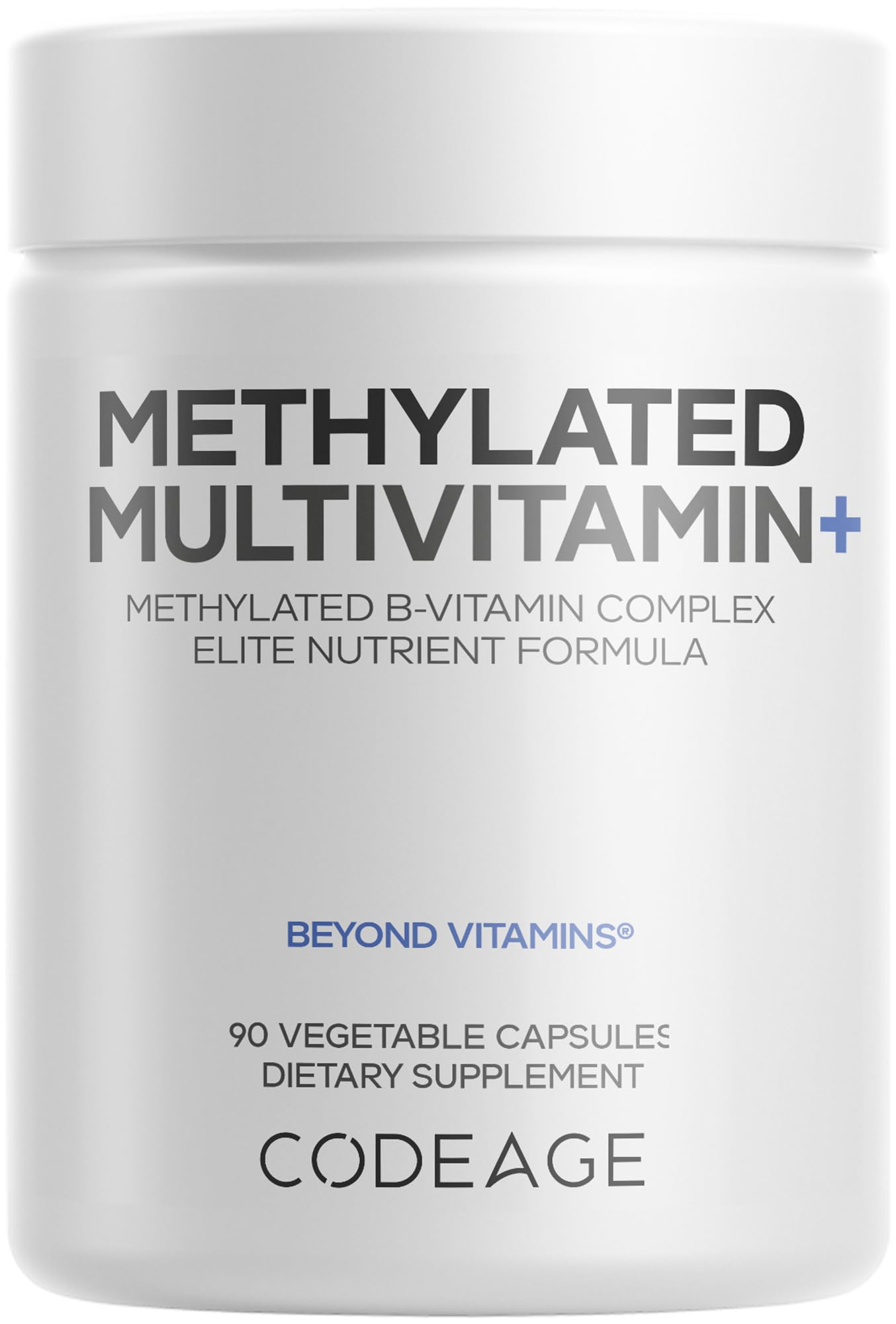
Codeage
Methylated Multivitamin +
🛡️ for Immune
82
Seeking Health
Optimal Multivitamin Chewable
💊 for General Health
59
Sources & Scoring
Nutrient data (RDA, UL, and safety thresholds) sourced from the NIH Office of Dietary Supplements and the National Academies Dietary Reference Intakes (DRI).
This is not medical advice. Consult a healthcare provider before making changes to your supplement routine.
The score analyzes what's on the label: ingredient doses vs. studied ranges, chemical forms, evidence levels, and known interactions. It does not verify label accuracy or test for contaminants — for that, look for third-party certifications like USP or NSF.