If you're looking for natural mood support, this formula targets serotonin production through two complementary pathways. **5-HTP** at 100 mg provides a direct precursor to serotonin — most clinical studies use 100–300 mg daily, so you're at the lower end of the effective range. **Saffron Extract** at 177 mg (standardized to safranal) is well above the 28–30 mg dose used in mood-focused RCTs, giving you a generous amount of a botanical with solid evidence for emotional wellbeing.
**Vitamin B6** at 20 mg (including the active P5P form), **Folate** at 400 mcg (as Quatrefolic methylfolate), and **B12** at 500 mcg (as methylcobalamin) round out the formula. What this means for you: these B vitamins are cofactors in neurotransmitter synthesis, and all three are dosed well and use premium bioavailable forms.
The important safety note: this product should not be combined with antidepressant or MAOI medications, as both 5-HTP and saffron can affect serotonin levels. Consult your doctor if you're on any mood-related medication.
BioStacks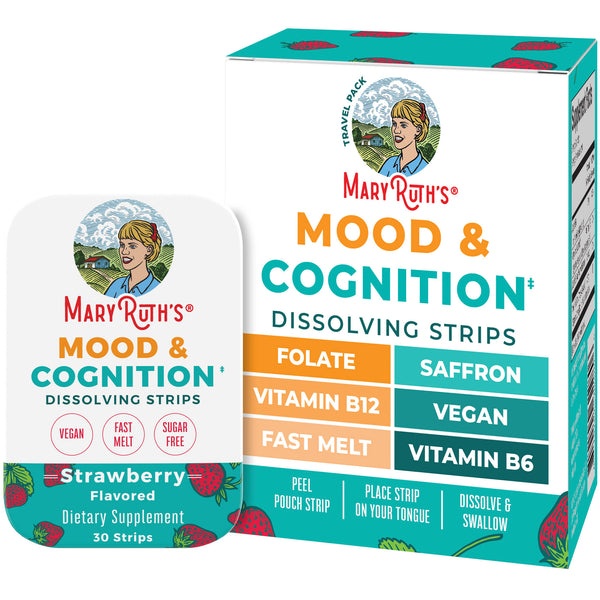
Best for
Ingredients (5)
Vitamin B12
100%Dose
500 mcg
Target
250–5000 mcg
Form
Premium
Folate
100%Dose
400 mcg DFE
Target
400–800 mcg
Form
Premium
Saffron Extract
100%Dose
177 mg
Target
14–30 mg
Form
—
Vitamin B6
100%Dose
20 mg
Target
1.3–25 mg
Form
Standard
5-HTP
100%Dose
100 mg
Target
100–300 mg
Form
—
Other Ingredients (4)
Magnesium StearateLubricant
A salt of stearic acid used as a lubricant in tablet and capsule production
Silicon DioxideAnti-caking
Fine silica powder used to prevent clumping
Microcrystalline CelluloseBinder
Plant-derived cellulose used as a binder and filler in supplements
Microcrystalline CelluloseBinder
Plant-derived cellulose used as a binder and filler in supplements
How to Take It
Best taken in the evening
Contains 5-HTP, so it belongs in the evening. Vitamin B6 is easier on the stomach taken with food.
With food
5-HTP does better on an empty stomach, but something else in this bottle needs food. Taking the whole product with a meal is the better trade — an upset stomach is why most people stop.
Keep it away from protein-heavy meals
Space it a couple of hours from SAMe
On the label
Take 4 capsules daily with food, maximum 8 capsules daily.
Do not combine with St. John's Wort
Each of these raises serotonin activity on top of St. John's Wort, and together they can trigger serotonin syndrome — agitation, rapid heartbeat, raised blood pressure. Not without medical supervision.
General guidance based on the ingredients, not a substitute for the label or your doctor.
Price Check
$52.50
Pricier than 74% of 90 stress & mood supplements
Track this supplement in your stack
Get personalized insights, interactions, and coverage recommendations.
Get Started FreeSimilar Supplements
MaryRuth Organics
Mood & Cognition Dissolving Strips (Strawberry)
🧘 for Stress & Mood
80
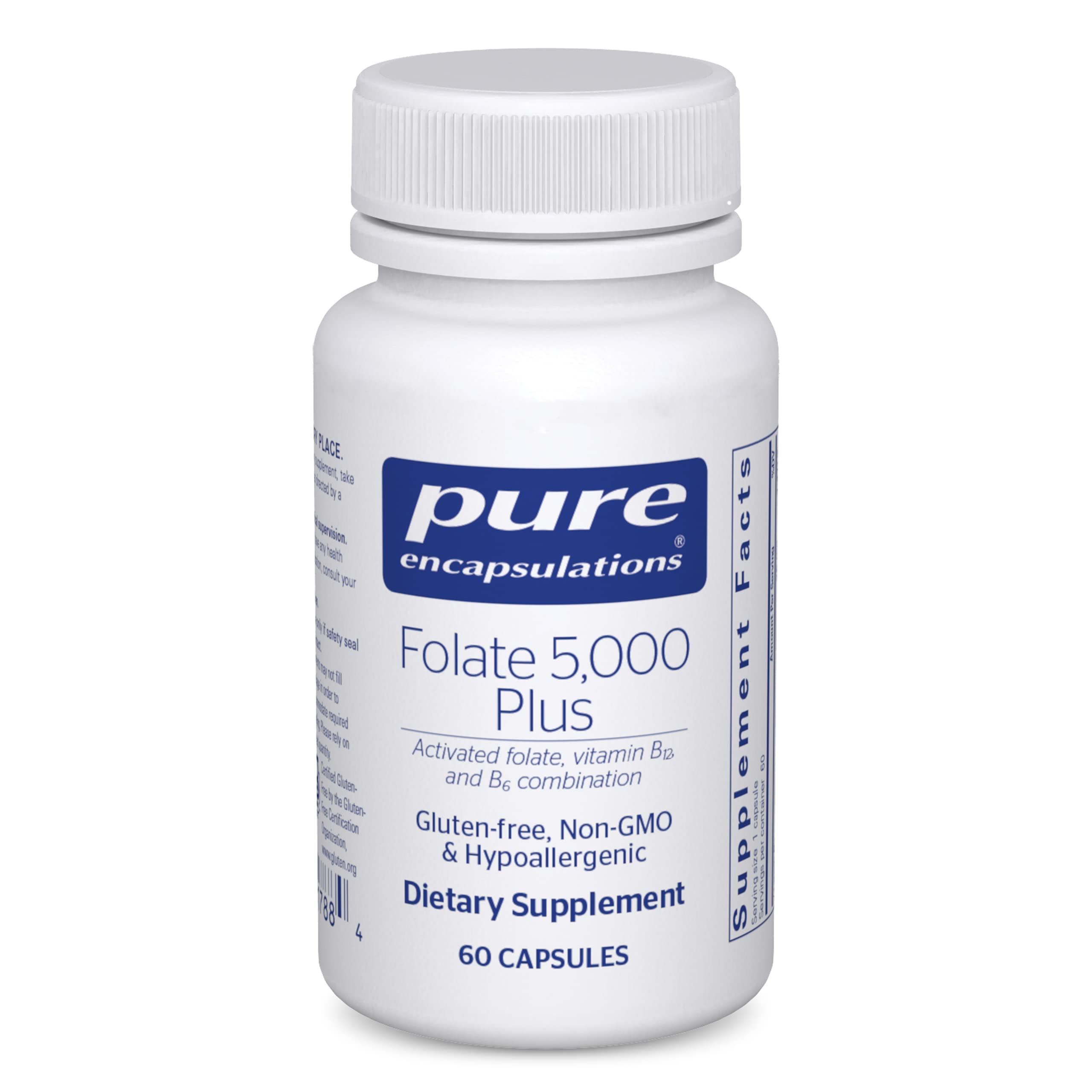
Pure Encapsulations
Folate 5,000 Plus
🤰 for Pregnancy
96
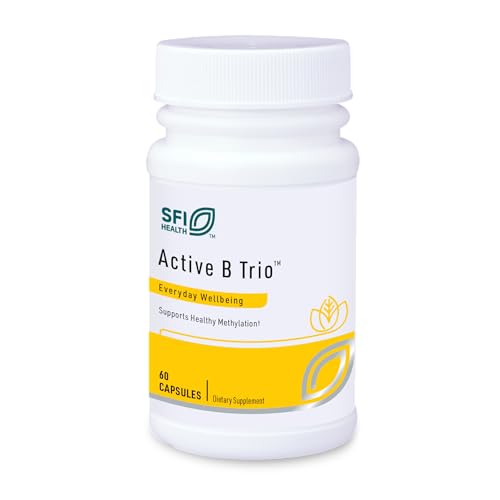
SFI Health
Active B Trio
🤰 for Pregnancy
96
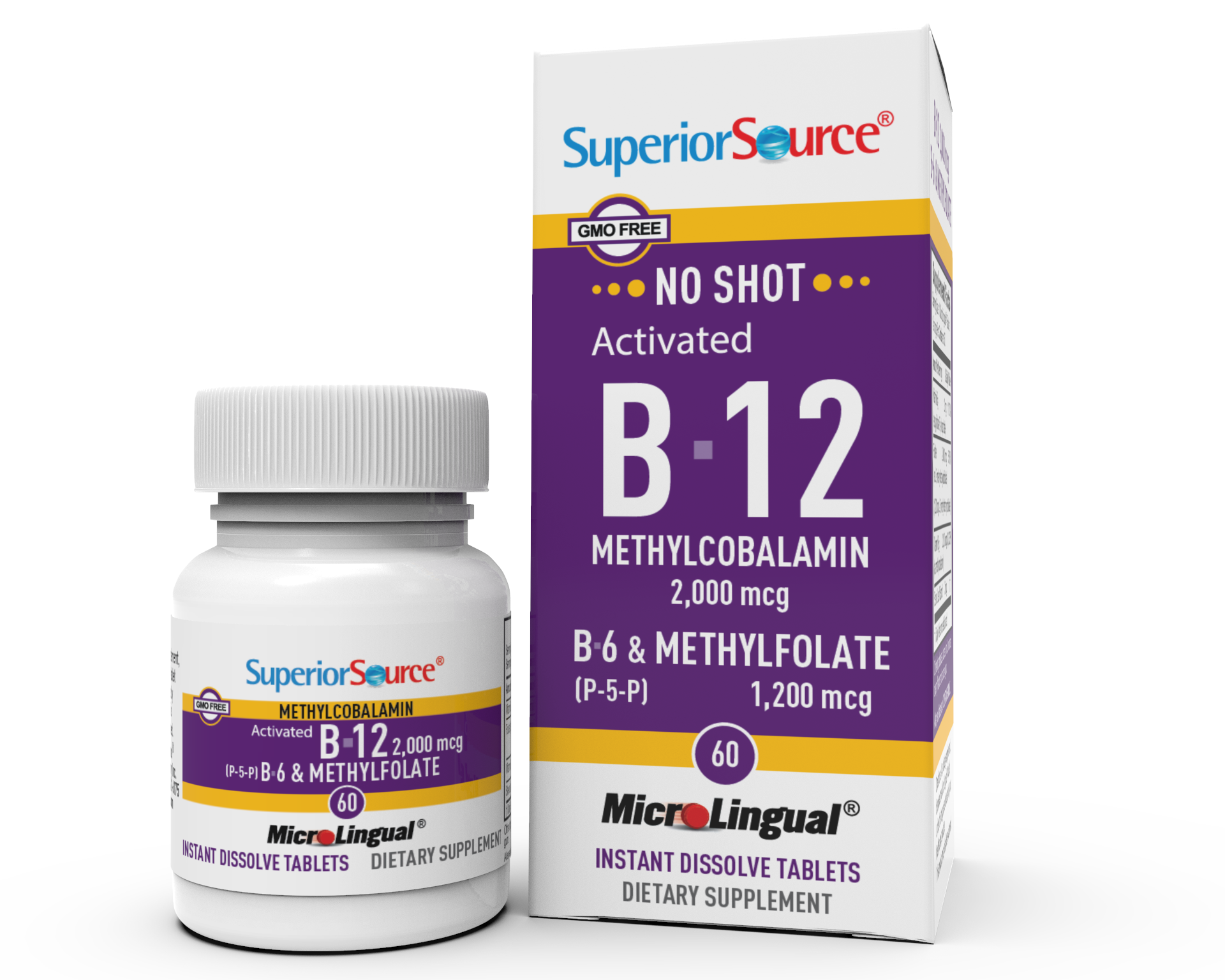
Superior Source
Activated B-12 Methylcobalamin 2000 mcg
🤰 for Pregnancy
92
Superior Source
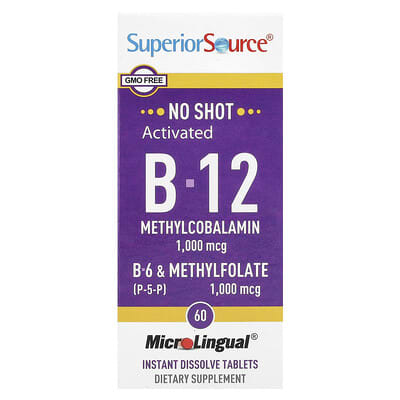
Activated B-12 Methylcobalamin 1,000 mcg B-6 & Methylfolate (P-5-P) 1,000 mcg
🤰 for Pregnancy
91
Sources & Scoring
Nutrient data (RDA, UL, and safety thresholds) sourced from the NIH Office of Dietary Supplements and the National Academies Dietary Reference Intakes (DRI).
This is not medical advice. Consult a healthcare provider before making changes to your supplement routine.
The score analyzes what's on the label: ingredient doses vs. studied ranges, chemical forms, evidence levels, and known interactions. It does not verify label accuracy or test for contaminants — for that, look for third-party certifications like USP or NSF.