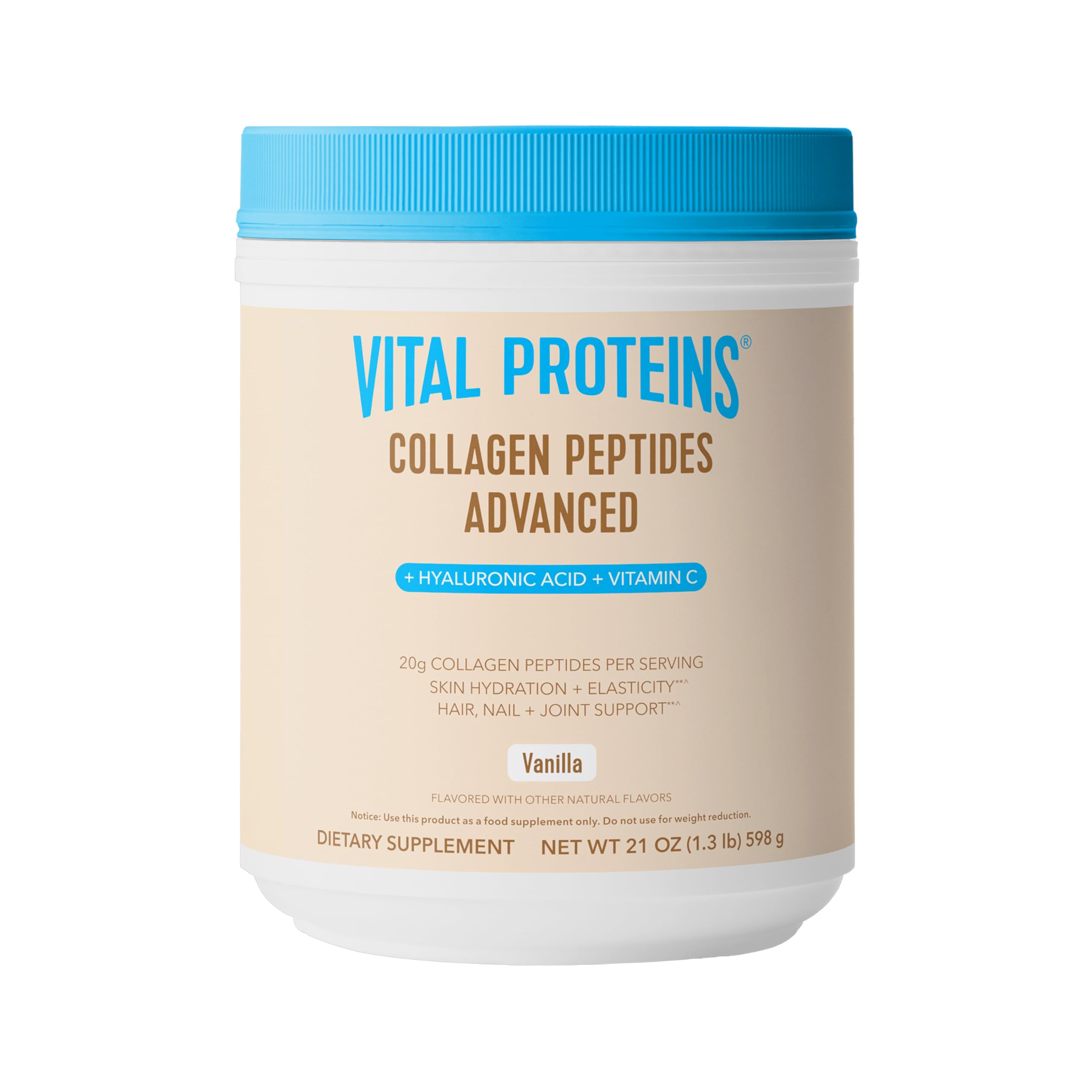
You're getting 5g of **Marine Collagen Peptides** per scoop — the minimum clinical dose where skin elasticity and hydration benefits start appearing in research (2.5–10g range). Fish-sourced collagen is naturally rich in Type I, the type most relevant to skin. If you're targeting joint support, you'd want to double the serving to reach the 10–15g range studied for that goal.
**Vitamin C** is included at 90mg as calcium ascorbate — a well-absorbed, stomach-friendly form. This matters because your body can't synthesize collagen without vitamin C as a cofactor, so having it built into the formula means one less thing to worry about. The 60mg of **Hyaluronic Acid** adds skin hydration support, though most studies showing visible results used 120–200mg daily, so you're getting about half the studied dose.
The main limitation is that everything here is dosed at the lower end of clinical ranges. At one scoop daily, this covers the basics for skin support, but if you're looking for stronger results — especially for joints — you'd need to increase your serving size, which also means going through the container faster.
BioStacks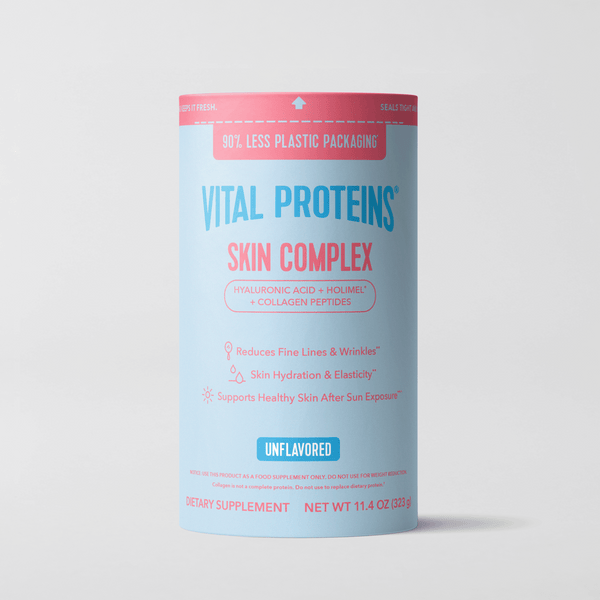
Best for
Ingredients (3)
Vitamin C
100%Dose
90 mg
Target
40–200 mg
Form
Standard
Marine Collagen Peptides, Hydrolyzed
100%Dose
5 Gram(s)
Target
2.5–10 g
Form
Standard
Hyaluronic Acid
100%Dose
60 mg
Target
50–200 mg
Form
Standard
Nutrition
Calories, macros & sodium.
- Calories20 Calorie(s)
- Sodium20 mg
- Protein4 Gram(s)
Other Ingredients
No other ingredients listed
How to Take It
Take it anytime
Timing doesn't matter — daily consistency over weeks is what moves outcomes.
With or without food
On the label
Suggested Use: Mix 1 scoop daily in 6-8 ounces of room temperature water or juice and mix well (for best results, mix in a blender bottle). Drink on an empty stomach at least 1 hour before or 2 hours after meals. Best when taken as directed by a qualified healthcare professional.
General guidance based on the ingredients, not a substitute for the label or your doctor.
Price Check
$17.46
Cheaper than 85% of 72 skin supplements
Track this supplement in your stack
Get personalized insights, interactions, and coverage recommendations.
Get Started FreeSimilar Supplements
Vital Proteins
Skin Complex (Unflavored)
✨ for Skin
73
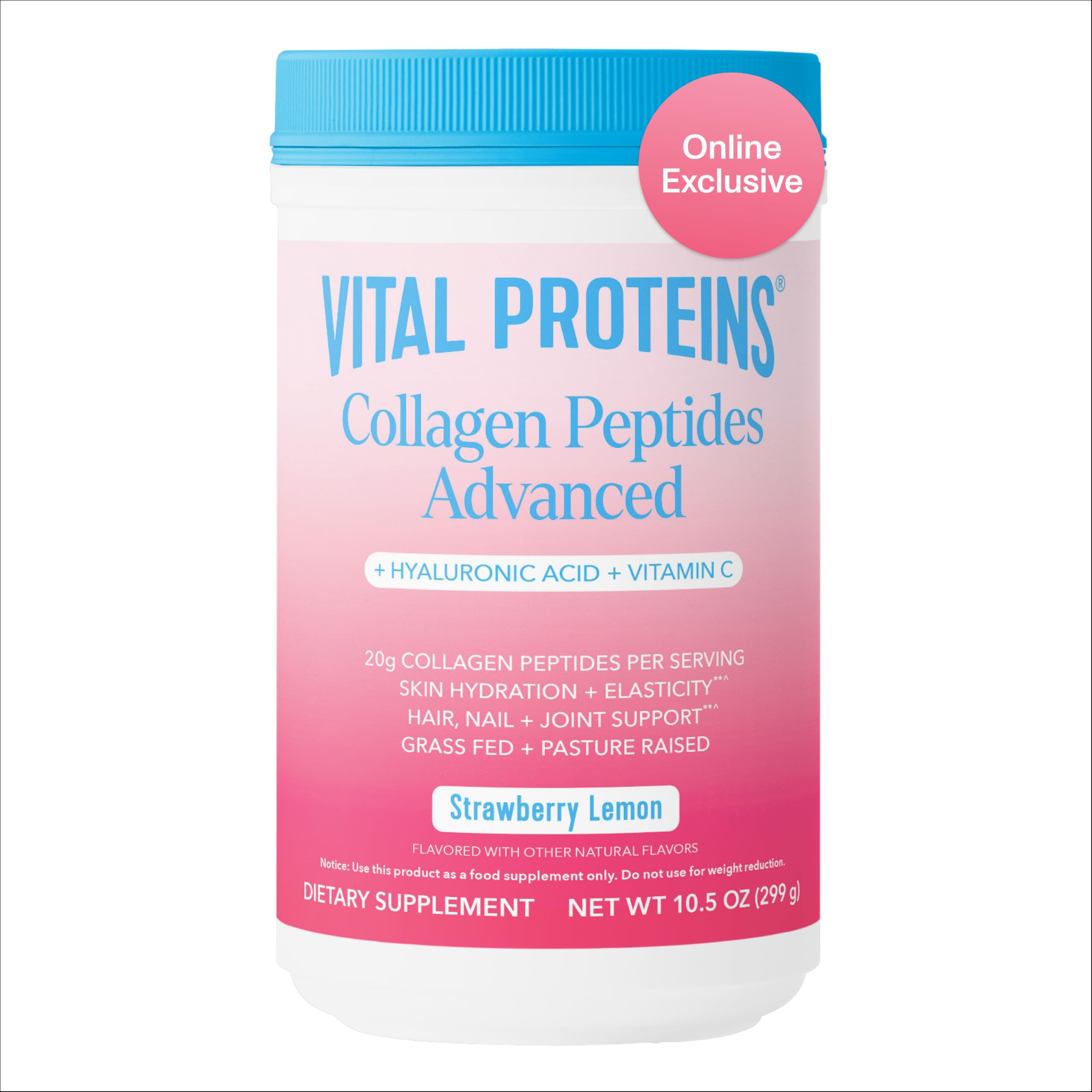
Vital Proteins
Collagen Peptides Advanced (Strawberry Lemon)
✨ for Skin
72
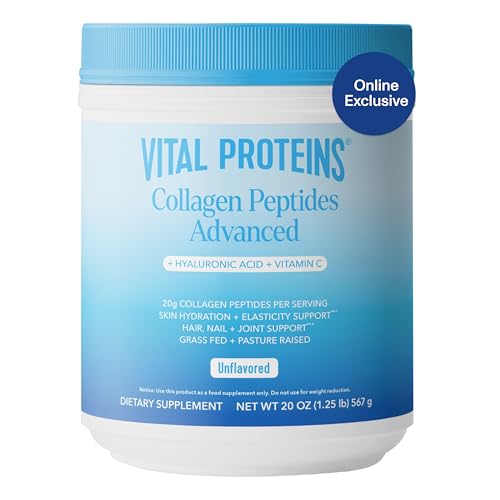
Vital Proteins
Collagen Peptides Advanced (Unflavored)
✨ for Skin
72
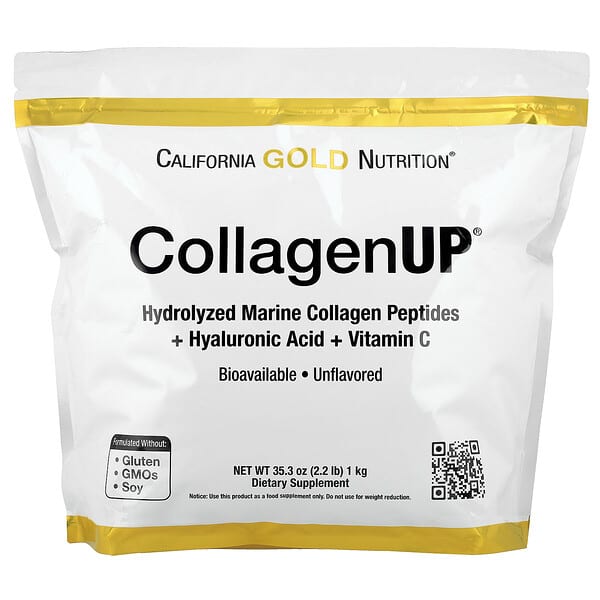
California Gold Nutrition
California Gold Nutrition, CollagenUP, Hydrolyzed Marine Collagen Peptides with Hyaluronic Acid and Vitamin C, Unflavored, 2.2 lb (1 kg)
✨ for Skin
70
Vital Proteins
Collagen Peptides Advanced (Vanilla)
✨ for Skin
63
Sources & Scoring
Nutrient data (RDA, UL, and safety thresholds) sourced from the NIH Office of Dietary Supplements and the National Academies Dietary Reference Intakes (DRI).
This is not medical advice. Consult a healthcare provider before making changes to your supplement routine.
The score analyzes what's on the label: ingredient doses vs. studied ranges, chemical forms, evidence levels, and known interactions. It does not verify label accuracy or test for contaminants — for that, look for third-party certifications like USP or NSF.