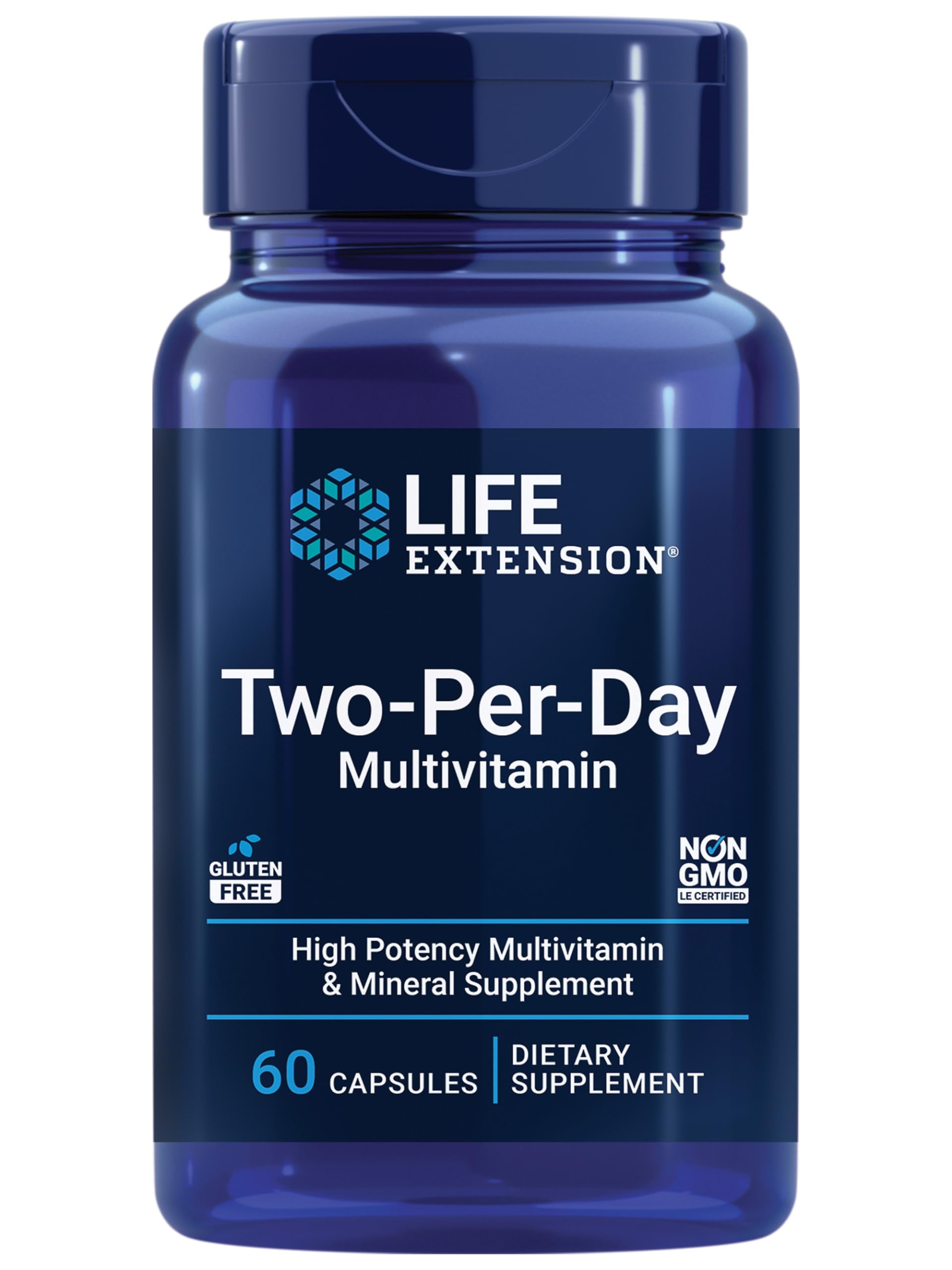
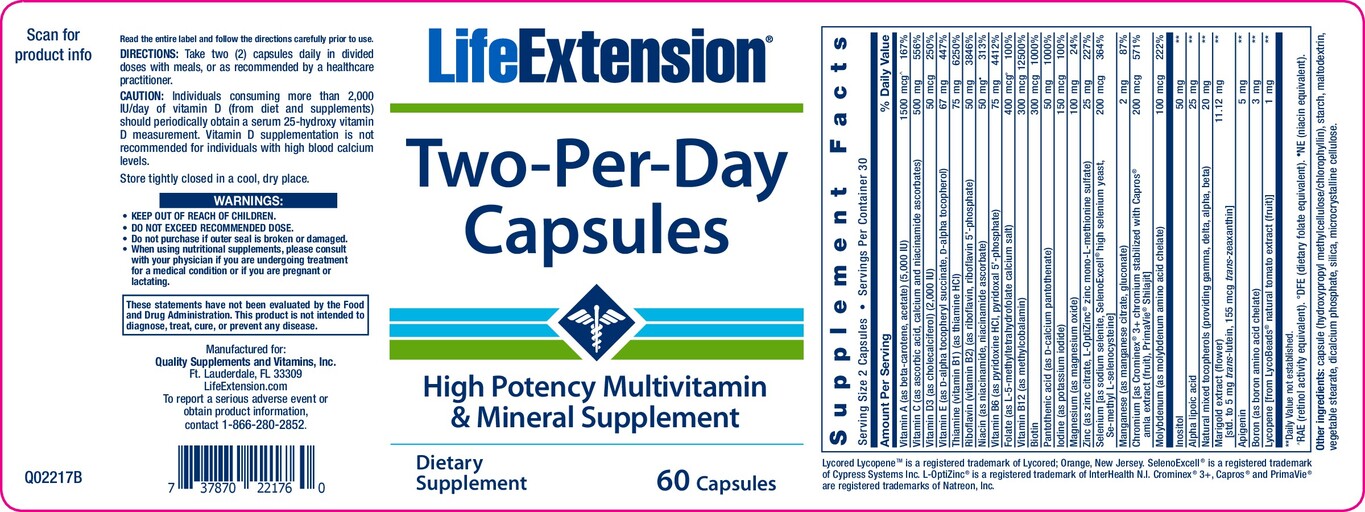
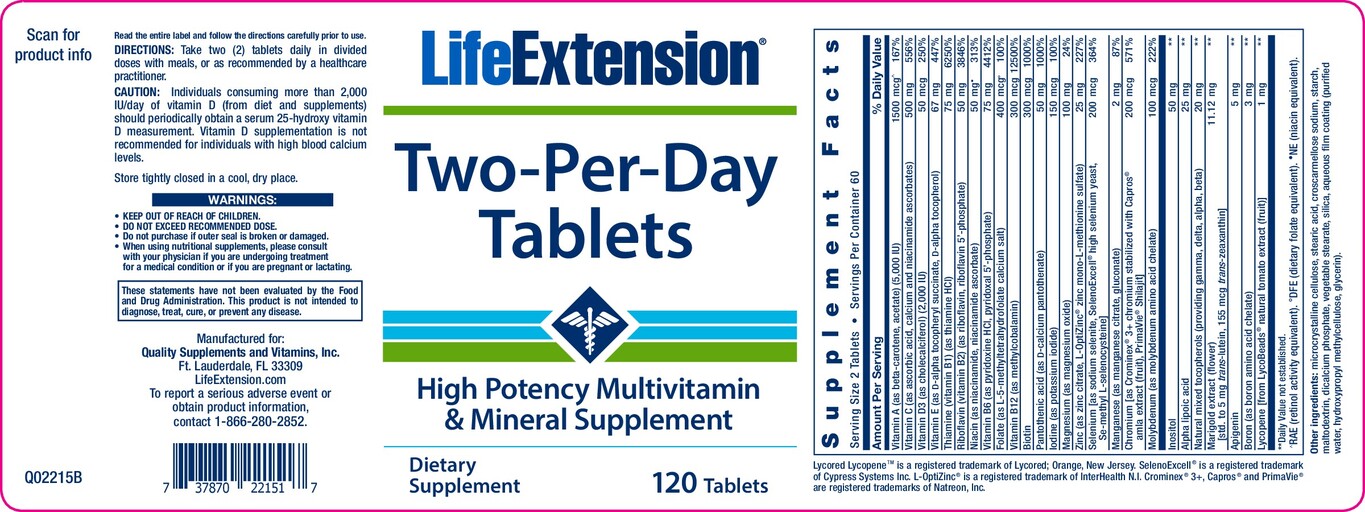
This multivitamin hits several clinically meaningful doses. **Vitamin D3** at 2,000 IU puts you comfortably in the recommended range, **Zinc** at 25mg in well-absorbed forms supports your immune system at a genuinely effective dose, and **Vitamin C** at 470mg is well within the studied range. The B vitamins use bioactive forms your body can absorb directly — methylcobalamin for B12 and methylfolate for B9 — which matters if you're among the ~40% of people with gene variants that impair conversion of synthetic forms.
**Lutein** from marigold extract at 11mg matches the 10mg dose used in the AREDS2 eye health trial, giving you meaningful vision support. You're also getting natural **Vitamin E** with mixed tocopherols and **Boron** at 3mg — the studied dose for supporting bone mineral retention.
The biggest gap is **Magnesium** at 100mg in oxide form, which absorbs at roughly 4%, leaving you with very little usable magnesium. Several specialty additions like **Alpha Lipoic Acid** (25mg vs. a 300mg clinical minimum) and **Quercetin** (15mg vs. 500mg) are present at a fraction of their studied doses.
BioStacks
Best for
Ingredients (27)
Folate
100%Dose
680 mcg DFE
Target
400–800 mcg
Form
Premium
Vitamin D
100%Dose
2000 IU
Target
1000–5000 IU
Form
Premium
Vitamin B12
100%Dose
300 mcg
Target
250–5000 mcg
Form
Premium
Vitamin B6
100%Dose
75 mg
Target
1.3–25 mg
Form
Premium
Pantothenic Acid
100%Dose
50 mg
Target
50–500 mg
Form
Premium
Other Ingredients (4)
Magnesium StearateLubricant
A salt of stearic acid used as a lubricant in tablet and capsule production
Silicon DioxideAnti-caking
Fine silica powder used to prevent clumping
Microcrystalline CelluloseBinder
Plant-derived cellulose used as a binder and filler in supplements
Microcrystalline CelluloseBinder
Plant-derived cellulose used as a binder and filler in supplements
How to Take It
Best taken in the evening
Used before bed for sleep. Take it with a meal containing fat — the vitamins A, D and E in it absorb poorly without one.
With a meal containing fat
Space it a couple of hours from Iron and Calcium
On the label
Suggested Usage: Take 2 capsules daily, with food. Best when taken as directed by a qualified healthcare professional.
General guidance based on the ingredients, not a substitute for the label or your doctor.
Price Check
$17.69
Cheaper than 74% of 798 multivitamins
Track this supplement in your stack
Get personalized insights, interactions, and coverage recommendations.
Get Started FreeSimilar Supplements
Sources & Scoring
Nutrient data (RDA, UL, and safety thresholds) sourced from the NIH Office of Dietary Supplements and the National Academies Dietary Reference Intakes (DRI).
This is not medical advice. Consult a healthcare provider before making changes to your supplement routine.
The score analyzes what's on the label: ingredient doses vs. studied ranges, chemical forms, evidence levels, and known interactions. It does not verify label accuracy or test for contaminants — for that, look for third-party certifications like USP or NSF.