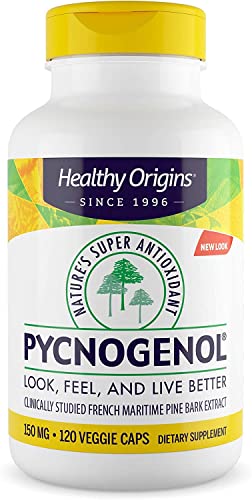
Pine bark extract has moderate evidence for circulation and skin elasticity, with most clinical trials using 100–200 mg daily. At 100 mg per capsule, you're at the minimum studied dose — potentially enough for antioxidant support, though stronger results in trials came from the 150–200 mg range.
Here's what's worth knowing: the vast majority of published research used Pycnogenol, a patented extract with a defined proanthocyanidin content. This product doesn't specify its OPC standardization percentage, so the actual active compound content in your capsule is uncertain. Two pine bark extracts at "100 mg" can deliver very different amounts of the compounds that matter.
If you want to match what was actually studied in clinical trials, knowing the OPC standardization is important — and this label doesn't provide it.
BioStacks
Ingredients (1)
French Maritime Pine Bark Extract
100%Dose
100 mg
Target
50–200 mg
Form
—
Other Ingredients (3)
Rice FlourFiller
Rice-based ingredients carry risk of inorganic arsenic contamination (FDA and Consumer Reports). Rice accumulates arsenic from soil at higher rates than other grains. Used as a cheap filler — adds nothing beneficial.
Magnesium StearateLubricant
A salt of stearic acid used as a lubricant in tablet and capsule production
Microcrystalline CelluloseBinder
Plant-derived cellulose used as a binder and filler in supplements
How to Take It
Take it anytime
Timing doesn't matter for this one — taking it consistently does.
With or without food
On the label
Suggested Usage: Take 1 capsule daily, with or without food. Best when taken as directed by a qualified healthcare professional.
General guidance based on the ingredients, not a substitute for the label or your doctor.
Price Check
No price yet
What 35 pycnogenol supplements cost
Track this supplement in your stack
Get personalized insights, interactions, and coverage recommendations.
Get Started FreeSimilar Supplements
Sources & Scoring
Nutrient data (RDA, UL, and safety thresholds) sourced from the NIH Office of Dietary Supplements and the National Academies Dietary Reference Intakes (DRI).
This is not medical advice. Consult a healthcare provider before making changes to your supplement routine.
The score analyzes what's on the label: ingredient doses vs. studied ranges, chemical forms, evidence levels, and known interactions. It does not verify label accuracy or test for contaminants — for that, look for third-party certifications like USP or NSF.