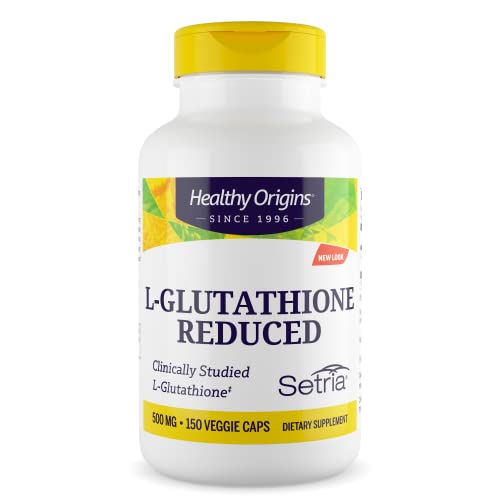
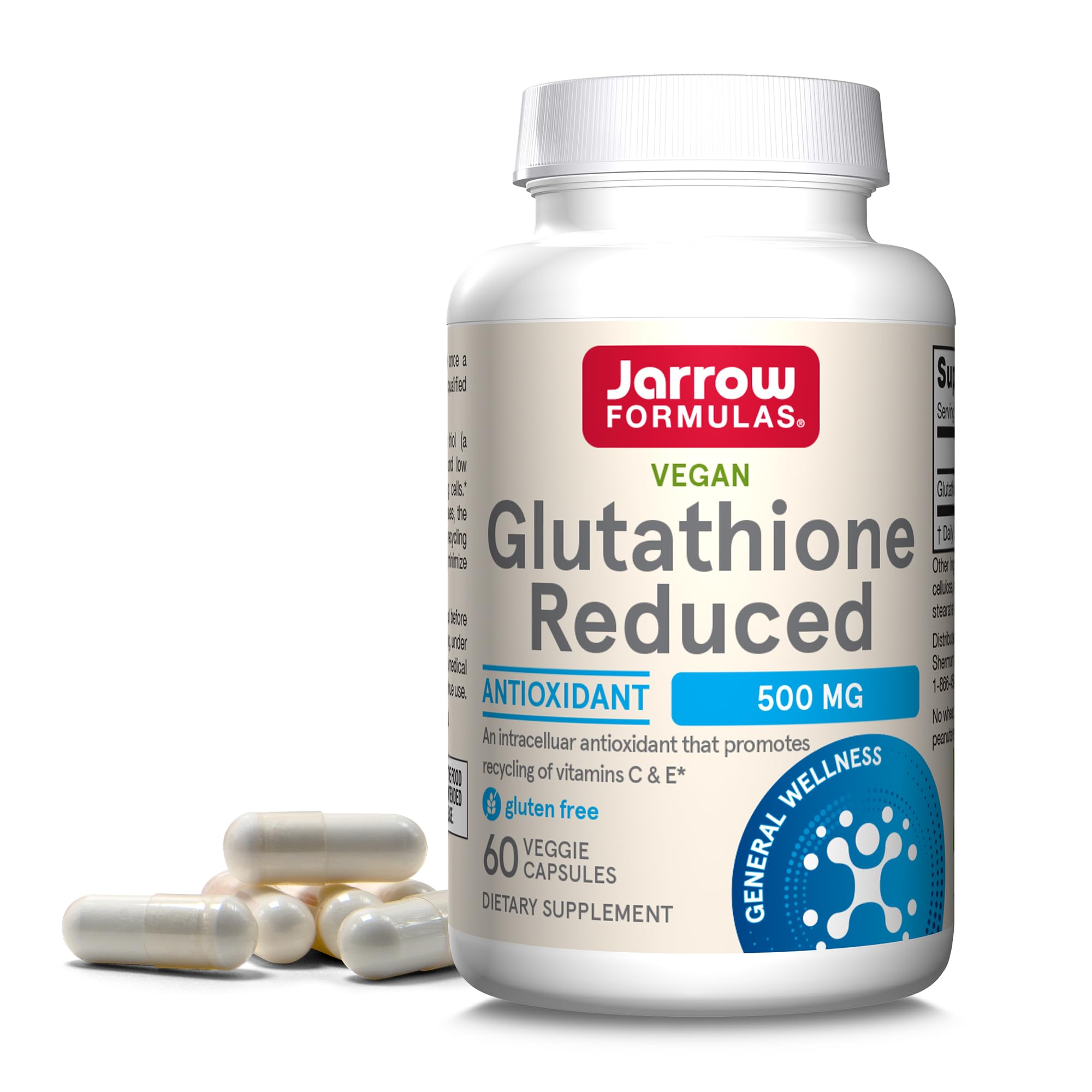
For antioxidant defense, detoxification, and cellular protection, this delivers 500mg of **reduced L-Glutathione** per capsule — targeting your body's primary antioxidant system. Clinical studies on oral glutathione have used doses ranging from 250–1,000mg/day, putting this at the midpoint of the studied range.
The "reduced" form (GSH) is the biologically active version, which matters — oxidized glutathione can't perform the same antioxidant functions until your body converts it back. At one capsule daily, you're getting a meaningful dose without needing to take multiple pills.
The main caveat with oral glutathione is absorption. Your digestive system breaks down a significant portion before it reaches your bloodstream. Some research suggests liposomal or sublingual delivery may improve bioavailability. If you're specifically trying to raise glutathione levels, pairing with NAC or vitamin C may be a more reliable approach.
BioStacks
Best for
Ingredients (1)
L-Glutathione, Reduced
100%Dose
500 mg
Target
250–1000 mg
Form
Budget
Other Ingredients (4)
Magnesium StearateLubricant
A salt of stearic acid used as a lubricant in tablet and capsule production
Silicon DioxideAnti-caking
Fine silica powder used to prevent clumping
Microcrystalline CelluloseBinder
Plant-derived cellulose used as a binder and filler in supplements
Microcrystalline CelluloseBinder
Plant-derived cellulose used as a binder and filler in supplements
How to Take It
Take it anytime
Timing doesn't matter for this one — taking it consistently does.
With or without food
On the label
Suggested use: Take 1 capsule daily, with food. Best when taken as directed by a qualified healthcare professional.
General guidance based on the ingredients, not a substitute for the label or your doctor.
Price Check
No price yet
What 56 GSH supplements cost
Track this supplement in your stack
Get personalized insights, interactions, and coverage recommendations.
Get Started FreeSimilar Supplements
Sources & Scoring
Nutrient data (RDA, UL, and safety thresholds) sourced from the NIH Office of Dietary Supplements and the National Academies Dietary Reference Intakes (DRI).
This is not medical advice. Consult a healthcare provider before making changes to your supplement routine.
The score analyzes what's on the label: ingredient doses vs. studied ranges, chemical forms, evidence levels, and known interactions. It does not verify label accuracy or test for contaminants — for that, look for third-party certifications like USP or NSF.