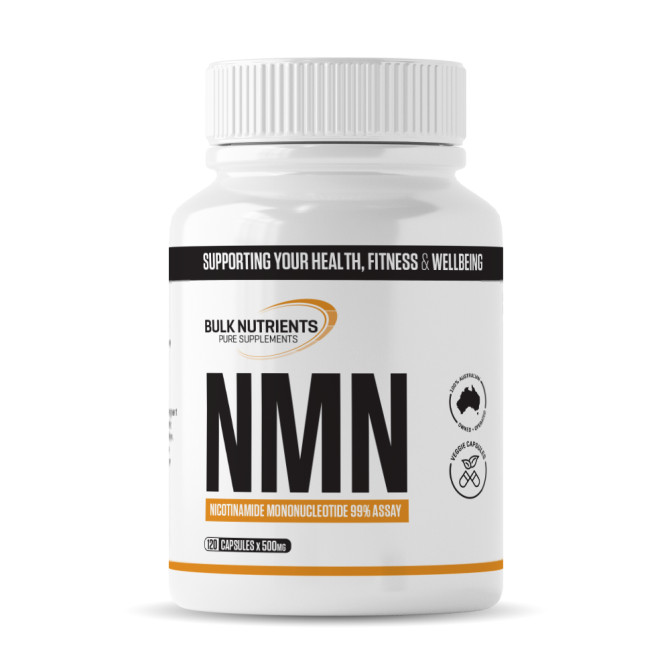
If you're interested in cellular energy and longevity support, **NMN** (nicotinamide mononucleotide) is an NAD+ precursor with growing clinical interest, and this product gives you 175mg per capsule. The catch is that most clinical trials use 250–500mg/day, so at one capsule you're getting about 35–70% of the doses that have shown measurable increases in blood NAD+ levels. You'd need two capsules daily to reach the 250mg minimum studied dose.
NMN has growing clinical evidence for raising NAD+ levels in humans, with several RCTs published since 2022 showing improvements in markers related to energy metabolism and cellular repair. The capsule form is straightforward, and at 60 capsules per container you get one to two months depending on your dose.
The underdosing at one capsule is the main concern. If you follow the label's suggested single capsule, you're below the clinical threshold where benefits have been demonstrated. Doubling up brings you into range but cuts your supply in half and increases your cost per effective dose.
BioStacksAsk AI about this product
What it does
NMN
nicotinamideStandard
Can raise circulating NAD-related markers; broad metabolic and healthy-aging benefits remain uncertain.
Ingredients (1)
Other ingredients
Magnesium StearateLubricant
A salt of stearic acid used as a lubricant in tablet and capsule production
Silicon DioxideAnti-caking
Fine silica powder used to prevent clumping
Gum AcaciaBinder
Natural plant gum (acacia) used as a binder, stabilizer, and emulsifier in foods and supplements
Microcrystalline CelluloseBinder
Plant-derived cellulose used as a binder and filler in supplements
Microcrystalline CelluloseBinder
Plant-derived cellulose used as a binder and filler in supplements
Stearic AcidLubricant
Saturated fatty acid used as tablet lubricant
Lab testing
How to take it
With or without food
On the label
Suggested use: Take 1 capsule daily, without food. Best when taken as directed by a qualified healthcare professional.
Price check
$15.00
Cheaper than 99% of 39 NMN supplements
Similar products
Sources & Scoring
Nutrient data (RDA, UL, and safety thresholds) sourced from the NIH Office of Dietary Supplements and the National Academies Dietary Reference Intakes (DRI).
This is not medical advice. Consult a healthcare provider before making changes to your supplement routine.
The score analyzes what's on the label: ingredient doses vs. studied ranges, chemical forms, evidence levels, and known interactions. It does not verify label accuracy or test for contaminants — for that, look for third-party certifications like USP or NSF.
Not medical advice. Consult your healthcare professional.