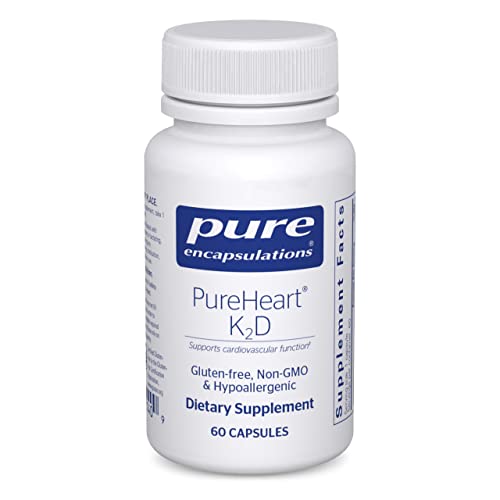
**Vitamin D3** at 5,000 IU hits the top of the clinically studied maintenance range, giving you a full effective dose for bone health, immune support, and mood regulation in a single capsule. If you're correcting a deficiency or living in a northern climate, this is the dose range most practitioners recommend — no need to double up.
**Vitamin K2** is dosed at 120 mcg in the MK-7 form, which stays active in your body for roughly four days — far longer than the MK-4 form that clears in hours. At this dose, you're getting enough to help direct calcium into your bones and teeth rather than your arteries. The capsule also includes MCT oil, which helps absorption since both vitamins are fat-soluble.
The main limitation is that 120 mcg of K2 sits in the lower half of the studied range (90–200 mcg). If bone density is your primary goal, you may benefit from a product closer to 200 mcg.
BioStacks
Best for
Ingredients (2)
Vitamin D
100%Dose
5000 IU
Target
1000–5000 IU
Form
Premium
Vitamin K2
100%Dose
120 mcg
Target
90–200 mcg
Form
Premium
Other Ingredients (6)
Magnesium StearateLubricant
A salt of stearic acid used as a lubricant in tablet and capsule production
Medium Chain Triglyceride OilCarrier
Fractionated oils rich in C8/C10 triglycerides used as neutral carrier or anti-sticking agent
Silicon DioxideAnti-caking
Fine silica powder used to prevent clumping
Dicalcium PhosphateBinder
Calcium and phosphorus compound used as binder
Microcrystalline CelluloseBinder
Plant-derived cellulose used as a binder and filler in supplements
Microcrystalline CelluloseBinder
Plant-derived cellulose used as a binder and filler in supplements
How to Take It
Take it anytime
Fat-soluble — take with your largest fat-containing meal. Time of day doesn't matter.
With a meal containing fat
General guidance based on the ingredients, not a substitute for the label or your doctor.
Price Check
$9.22
Cheaper than 84% of 552 vitamin D supplements
Track this supplement in your stack
Get personalized insights, interactions, and coverage recommendations.
Get Started FreeSimilar Supplements
Sources & Scoring
Nutrient data (RDA, UL, and safety thresholds) sourced from the NIH Office of Dietary Supplements and the National Academies Dietary Reference Intakes (DRI).
This is not medical advice. Consult a healthcare provider before making changes to your supplement routine.
The score analyzes what's on the label: ingredient doses vs. studied ranges, chemical forms, evidence levels, and known interactions. It does not verify label accuracy or test for contaminants — for that, look for third-party certifications like USP or NSF.