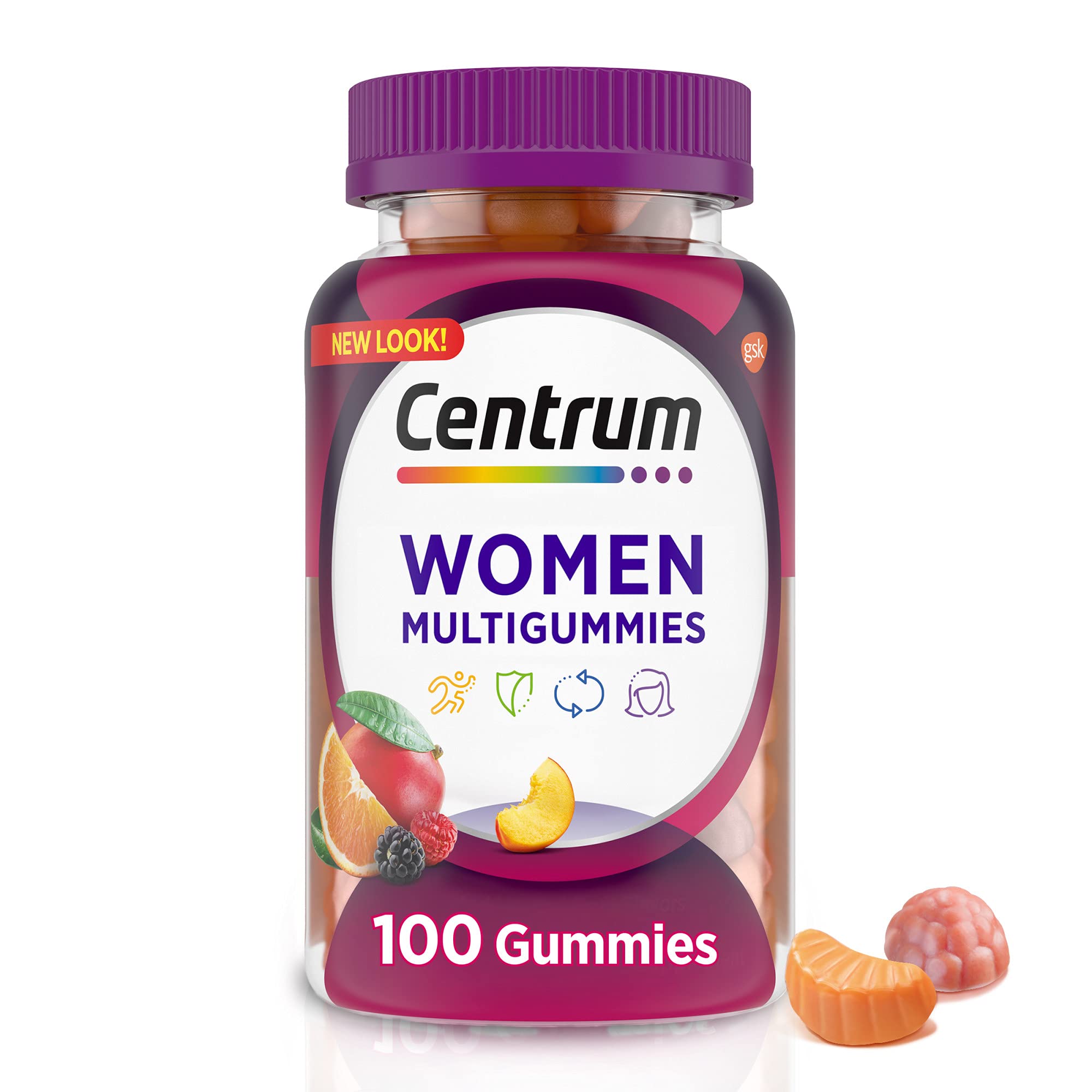
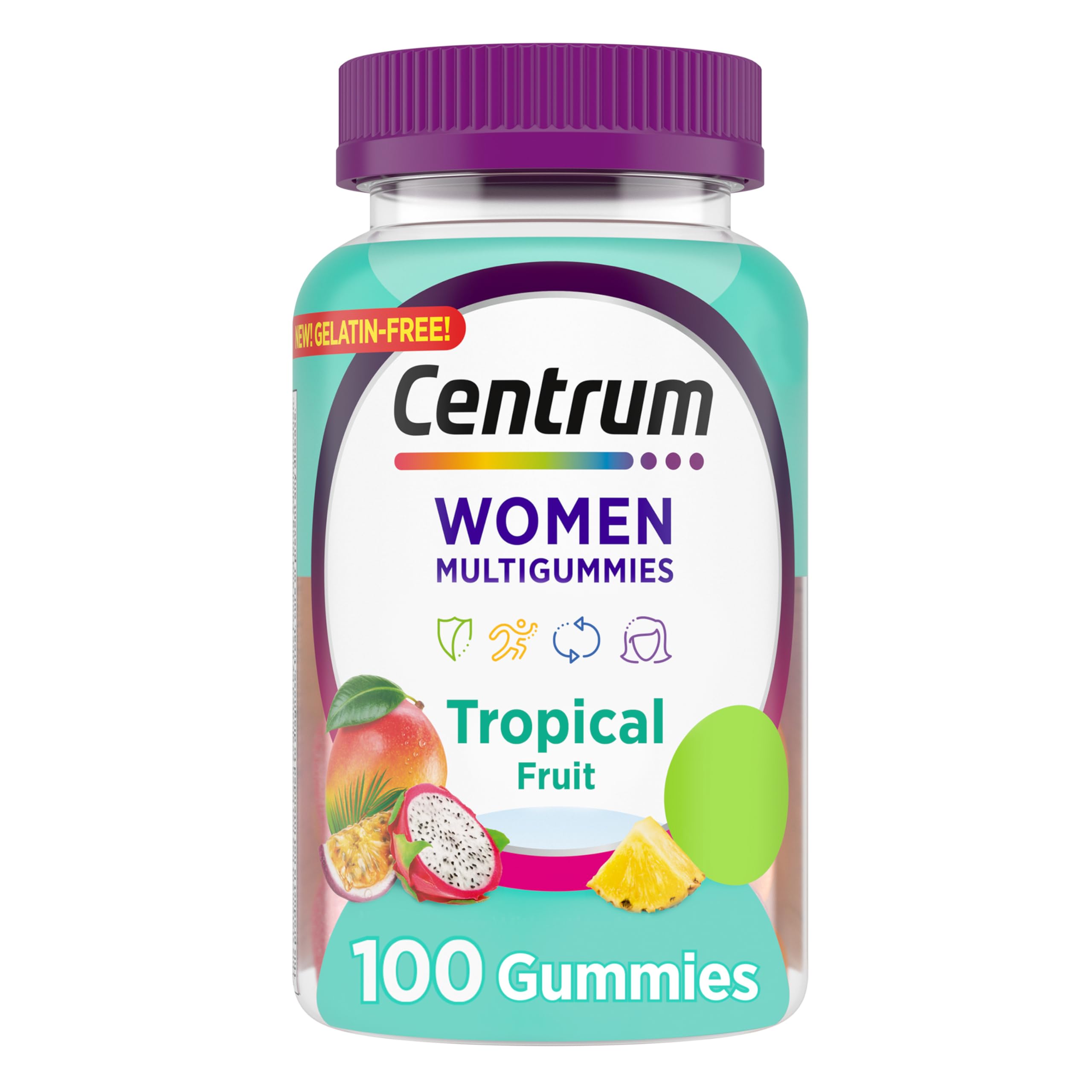
This gummy multivitamin covers a broad range of nutrients, but most sit well below meaningful doses. **Vitamin D3** is the standout at 1,000 IU — above the RDA and enough to help maintain adequate blood levels if you're not severely deficient. **Vitamin B12** at 9 mcg and **Vitamin B6** at 2 mg both comfortably exceed daily requirements, supporting energy metabolism and nervous system function.
Beyond those, the numbers drop off quickly. **Vitamin C** delivers just 18 mg — only 20% of the RDA — so you're getting a fraction of what your body can use for immune and antioxidant support. **Zinc** at 2.5 mg covers roughly a third of what women need daily, and **Calcium** at 100 mg provides about 10% of your daily target. **Folate** comes as synthetic folic acid at 160 mcg, landing at about two-thirds of the RDA — a form that roughly 40% of people convert inefficiently.
The gummy format is the core tradeoff here. It limits how much active ingredient fits per serving, which is why so many nutrients land below their RDA — let alone clinical ranges. If you're looking for a convenient daily habit that covers your D3 and B vitamins, this works. For meaningful doses of calcium, zinc, or vitamin C, you'd need to get them elsewhere.
BioStacks
Best for
Ingredients (11)
Vitamin D3
100%Dose
1000 IU
Target
1000–5000 IU
Form
Premium
Vitamin B6
8%Dose
2 mg
Target
25–100 mg
Form
—
Biotin
15%Dose
150 mcg
Target
1000–5000 mcg
Form
—
Vitamin B12
4%Dose
9 mcg
Target
250–5000 mcg
Form
Not listed
Vitamin A
86%Dose
600 mcg
Target
700–1500 mcg
Form
Not listed
Nutrition
Calories, macros & sodium.
- Calories10 Calorie(s)
- Sodium10 mg
- Total Carbohydrates3 Gram(s)
- Total Sugars2 Gram(s)
Other Ingredients (5)
Glucose SyrupSweetener
High glycemic load; source typically corn (generally gluten-free)
SucroseSweetener
Added sugars and high glycemic load; dental caries risk
GelatinCapsule
Protein derived from collagen, used in traditional capsule shells
Calcium CarbonateBuffer
Common calcium salt used as a buffering agent, filler, or mineral fortification in supplements
Purified WaterSolvent
Water meeting USP specifications used as solvent/vehicle in gummies and liquids
How to Take It
Take it anytime
No evidence a formula this broad works better at any particular hour. Take it with a meal containing fat — the vitamins A, D and E in it absorb poorly without one.
With a meal containing fat
Space it a couple of hours from Iron and Calcium
On the label
Suggested Use: Adults: Take two (2) gummies daily. Do not exceed suggested use.
General guidance based on the ingredients, not a substitute for the label or your doctor.
Price Check
$17.03
Cheaper than 77% of 798 multivitamins
Track this supplement in your stack
Get personalized insights, interactions, and coverage recommendations.
Get Started FreeSimilar Supplements
Sources & Scoring
Nutrient data (RDA, UL, and safety thresholds) sourced from the NIH Office of Dietary Supplements and the National Academies Dietary Reference Intakes (DRI).
This is not medical advice. Consult a healthcare provider before making changes to your supplement routine.
The score analyzes what's on the label: ingredient doses vs. studied ranges, chemical forms, evidence levels, and known interactions. It does not verify label accuracy or test for contaminants — for that, look for third-party certifications like USP or NSF.