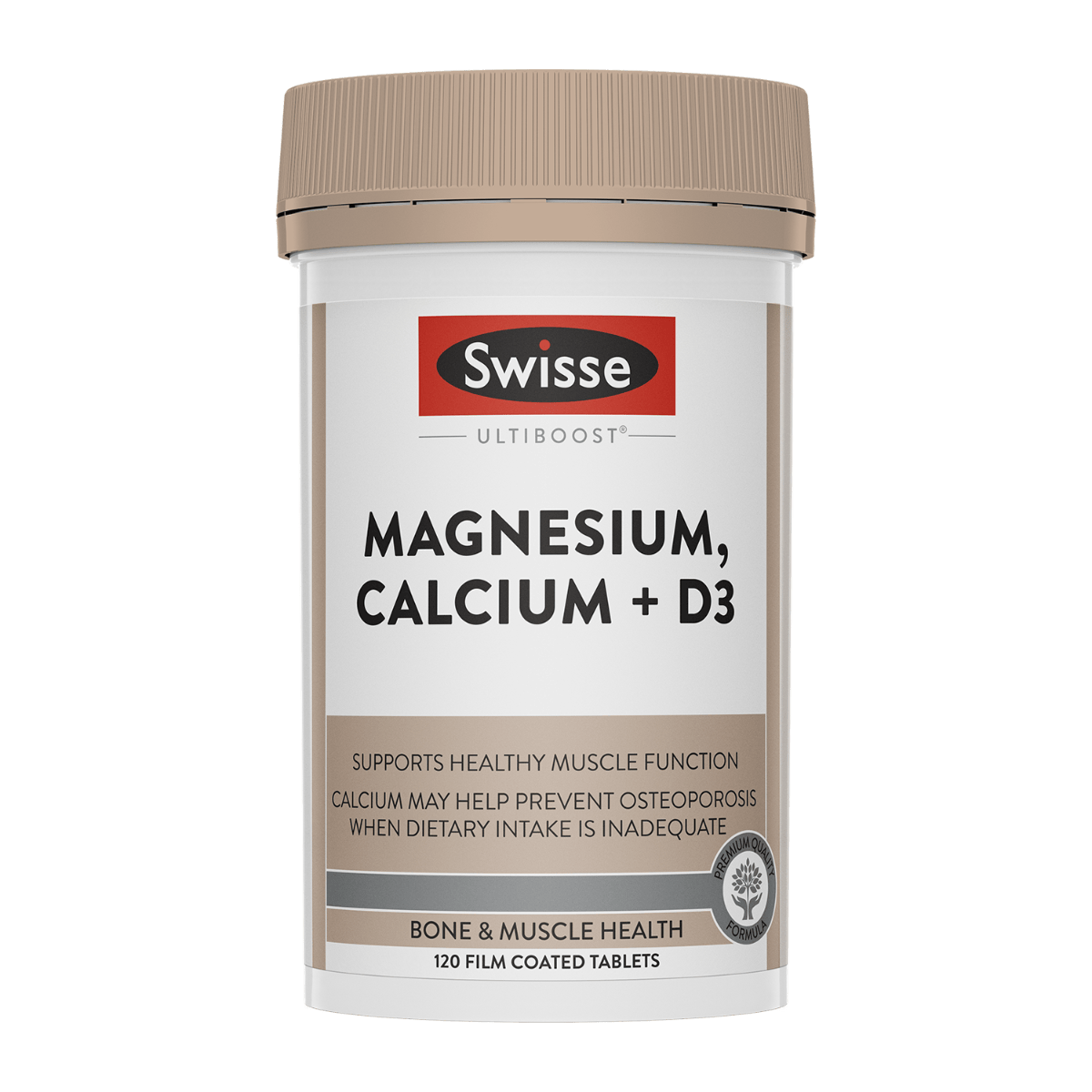
**Calcium** at 1,200 mg paired with 1,000 IU of **Vitamin D3** — the D3 is essential here because without it, your body absorbs only 10–15% of calcium. Together, these form the baseline combination for bone density support, backed by large clinical trials.
The slow-release format addresses a real absorption problem: your body can't process more than about 500 mg of calcium at once, so spreading the release over time helps you actually use more of it. You also get 80 mg of **Magnesium**, which your body needs to activate vitamin D — though at 80 mg, it's below the 100–400 mg supplemental range, so consider it a partial contribution rather than a full dose.
One notable absence is **Vitamin K2**, which helps direct calcium into your bones rather than your arteries. If you're taking high-dose calcium long-term, adding K2 is worth considering.
BioStacks
Best for
Ingredients (3)
Calcium
100%Dose
1200 mg
Target
200–600 mg
Form
Not listed
Vitamin D
100%Dose
1000 IU
Target
1000–5000 IU
Form
Not listed
Magnesium
80%Dose
80 mg
Target
100–400 mg
Form
Not listed
Nutrition
Calories, macros & sodium.
- Total Sugars0 g
Other Ingredients (10)
Titanium DioxideColorant
Banned in the EU (2022) over concerns that its ultra-fine particles may damage DNA in gut cells. Still allowed in the US. Used only for white coloring — provides no health benefit.
Magnesium HydroxideMineral Source
An inorganic magnesium compound used as a magnesium source, antacid, or pH buffer.
Magnesium StearateLubricant
A salt of stearic acid used as a lubricant in tablet and capsule production
InulinFiller
Prebiotic soluble fiber from chicory root, used as a filler and flow agent in capsules and tablets
Propylene GlycolSolvent
Liquid used to dissolve and preserve supplement ingredients
Gum AcaciaBinder
Natural plant gum (acacia) used as a binder, stabilizer, and emulsifier in foods and supplements
Calcium CarbonateBuffer
Common calcium salt used as a buffering agent, filler, or mineral fortification in supplements
Calcium CarbonateBuffer
Common calcium salt used as a buffering agent, filler, or mineral fortification in supplements
How to Take It
Best taken in the evening
The Magnesium in it is what pulls this toward the evening. Take it with a meal containing fat — the vitamin D in it absorbs poorly without one.
With a meal containing fat
Keep it away from high-oxalate foods like spinach
Space it a couple of hours from Iron and Zinc
On the label
Adults and children 12 years of age and older: Take 1 serving (2 caplets) once daily in the morning with food or as recommended by your health professional. Take with a full glass of water in an upright position.
The label says morning; the ingredients lean evening. Timing isn't strict here — either is fine.
General guidance based on the ingredients, not a substitute for the label or your doctor.
Price Check
$17.85
Near the median of 294 calcium supplements
Track this supplement in your stack
Get personalized insights, interactions, and coverage recommendations.
Get Started FreeSimilar Supplements


Sources & Scoring
Nutrient data (RDA, UL, and safety thresholds) sourced from the NIH Office of Dietary Supplements and the National Academies Dietary Reference Intakes (DRI).
This is not medical advice. Consult a healthcare provider before making changes to your supplement routine.
The score analyzes what's on the label: ingredient doses vs. studied ranges, chemical forms, evidence levels, and known interactions. It does not verify label accuracy or test for contaminants — for that, look for third-party certifications like USP or NSF.