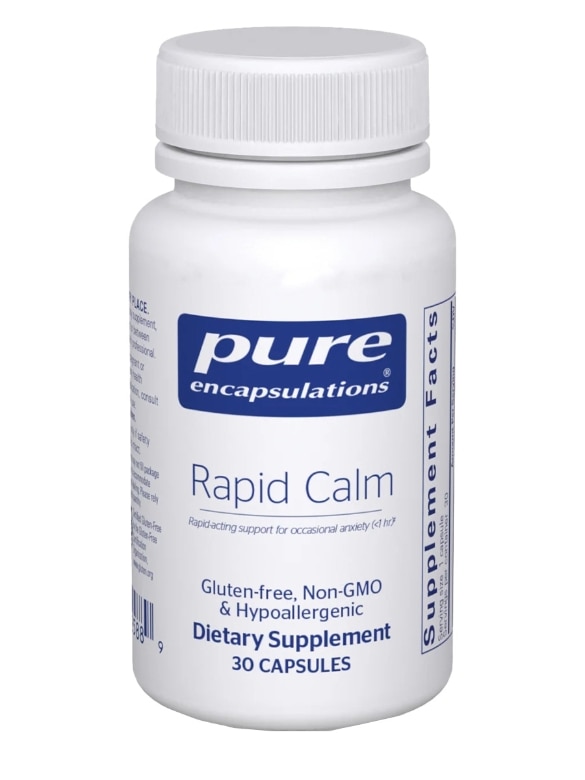
At 25mg per capsule, you're getting **Zembrin** — a standardized extract of kanna (Sceletium tortuosum) — right at the top of the dose range used in clinical trials (8–25mg). The mechanism is interesting: it works on both serotonin reuptake and PDE4 inhibition, two pathways linked to mood and stress response. So the dose checks out.
The catch is the evidence. A 2023 meta-analysis pooling four studies (117 total participants) found no significant difference from placebo for anxiety. One acute study at this exact 25mg dose showed mixed results. The science behind how it works is well-characterized, but clinical proof that it actually reduces your day-to-day stress remains thin.
If you're looking for a gentle, low-risk option to try for calm and mood support, the dosing here is appropriate for what's been studied. Just know the research hasn't yet confirmed that the effect is meaningfully different from placebo.
BioStacks
Best for
Ingredients (1)
Zembrin
100%Dose
25 mg
Target
8–25 mg
Form
—
Other Ingredients (4)
Magnesium StearateLubricant
A salt of stearic acid used as a lubricant in tablet and capsule production
Silicon DioxideAnti-caking
Fine silica powder used to prevent clumping
HypromelloseCapsule
Plant-derived capsule material from cellulose
Microcrystalline CelluloseBinder
Plant-derived cellulose used as a binder and filler in supplements
How to Take It
Best taken in the evening
Calming — used in the evening.
With or without food
On the label
Suggested Adult Use: Take 1 capsule daily with or without food, or as recommended by a nutritionally informed physician. Daily oral dose not to exceed 25 mg.
General guidance based on the ingredients, not a substitute for the label or your doctor.
Track this supplement in your stack
Get personalized insights, interactions, and coverage recommendations.
Get Started FreeSimilar Supplements
Sources & Scoring
Nutrient data (RDA, UL, and safety thresholds) sourced from the NIH Office of Dietary Supplements and the National Academies Dietary Reference Intakes (DRI).
This is not medical advice. Consult a healthcare provider before making changes to your supplement routine.
The score analyzes what's on the label: ingredient doses vs. studied ranges, chemical forms, evidence levels, and known interactions. It does not verify label accuracy or test for contaminants — for that, look for third-party certifications like USP or NSF.