This delivers the classic joint support trio at full clinical doses. **Glucosamine Sulfate** at 1,500mg matches the exact dose used in the landmark GAIT trial for cartilage and joint comfort, and **Chondroitin Sulfate** at 1,200mg hits the top of its studied range. These two have the strongest evidence when taken together, and you're getting both at the doses the research actually used.
**MSM** is included at 1,000mg in the OptiMSM form, which is distillation-purified and the most studied branded version. That's the minimum clinical dose for joint and inflammatory support — if you respond well, you have room to add more, though most users will see benefit here.
The tradeoff is pill burden: you need 4 capsules daily to get these doses. It also contains shellfish (crab and shrimp), so it's not suitable if you have a shellfish allergy.
BioStacks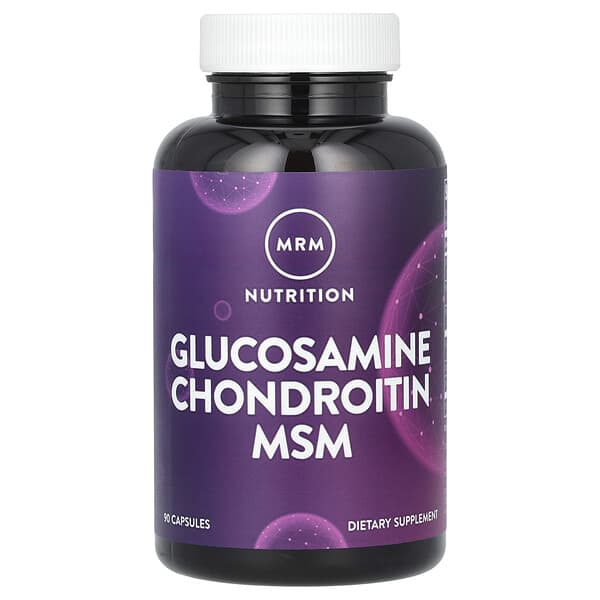
Best for
Ingredients (5)
Potassium
100%Dose
180 mg
Target
99–500 mg
Form
Standard
OptiMSM
100%Dose
1000 mg
Target
1000–3000 mg
Form
—
Glucosamine Sulfate 2KCl
100%Dose
1500 mg
Target
1000–1500 mg
Form
Standard
Chondroitin Sulfate
100%Dose
1200 mg
Target
800–1200 mg
Form
Standard
Chloride
172 mgTrace amount — not scored
Nutrition
Calories, macros & sodium.
- Sodium150 mg
Other Ingredients (4)
Magnesium StearateLubricant
A salt of stearic acid used as a lubricant in tablet and capsule production
Silicon DioxideAnti-caking
Fine silica powder used to prevent clumping
HypromelloseCapsule
Plant-derived capsule material from cellulose
Microcrystalline CelluloseBinder
Plant-derived cellulose used as a binder and filler in supplements
How to Take It
Take it anytime
Take with food — potassium salts on an empty stomach commonly cause nausea.
With food
On the label
Suggested Adult Use: Take 4 capsules daily with food, or as recommended by a nutritionally informed physician.
General guidance based on the ingredients, not a substitute for the label or your doctor.
Price Check
$45.99
Pricier than 83% of 65 chondroitin supplements
Track this supplement in your stack
Get personalized insights, interactions, and coverage recommendations.
Get Started FreeSimilar Supplements
Doctor's Best
Glucosamine Chondroitin MSM with OptiMSM
🦴 for Bone & Joint
77
MRM Nutrition
Glucosamine Chondroitin MSM
🦴 for Bone & Joint
74
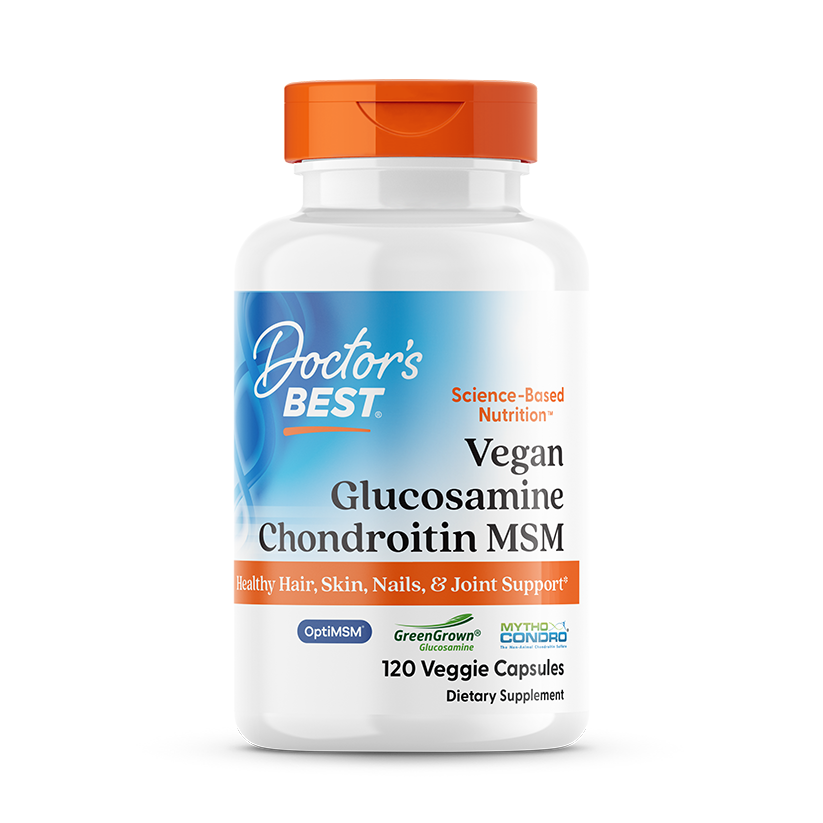
Doctor's Best
Vegan Glucosamine Chondroitin MSM
🦴 for Bone & Joint
71
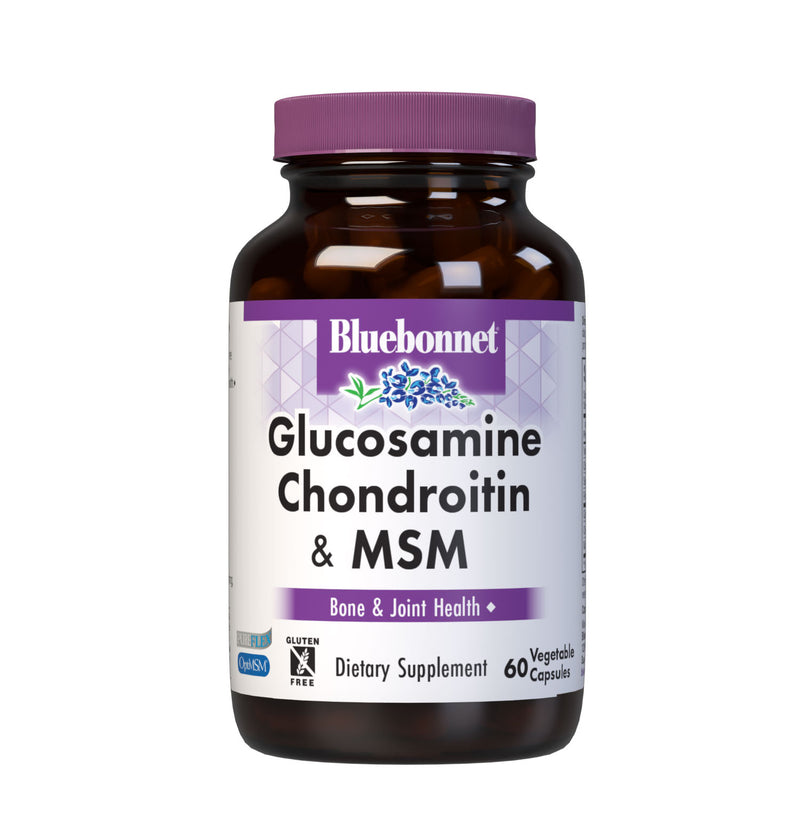
Bluebonnet
Glucosamine Chondroitin Plus MSM
🦴 for Bone & Joint
60
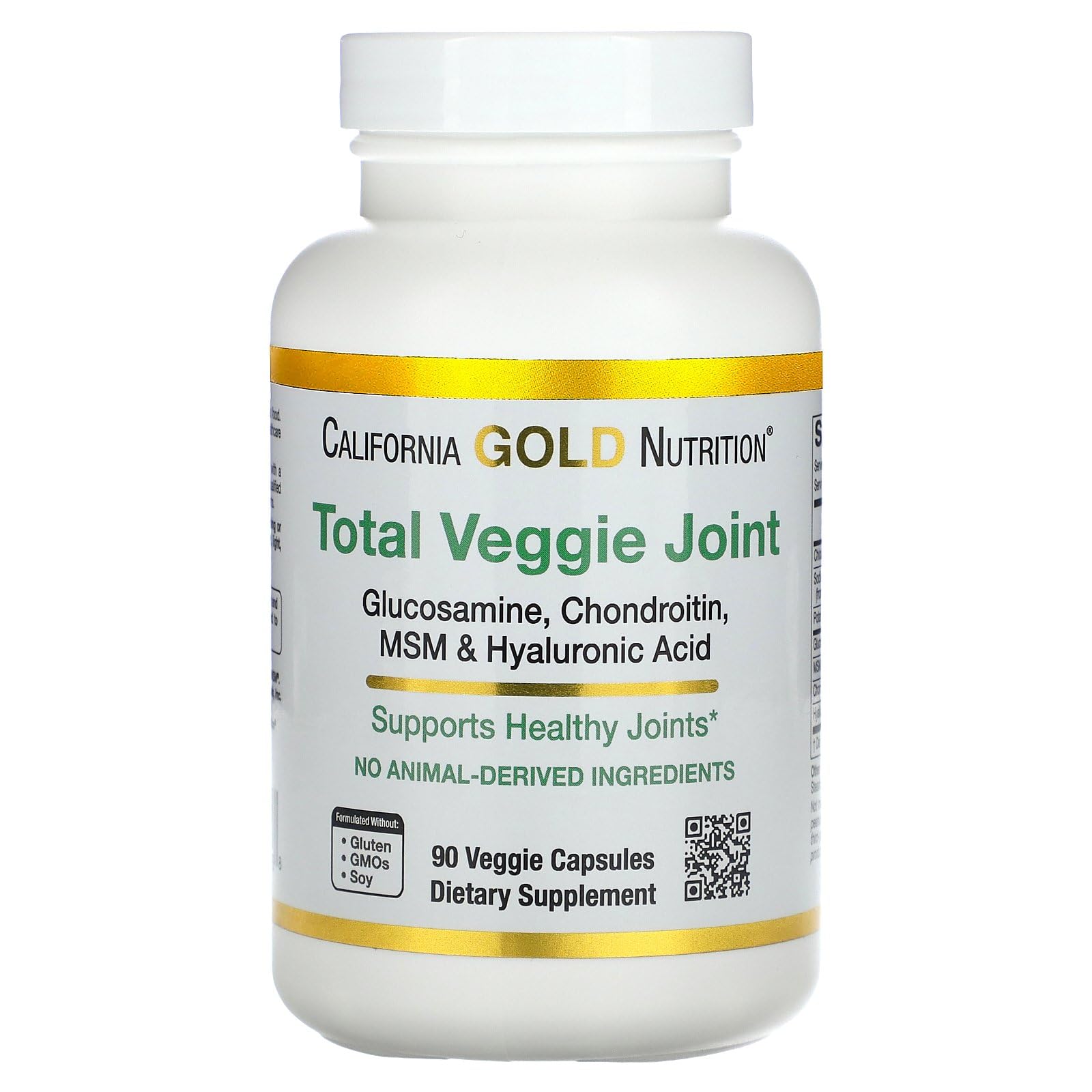
California Gold Nutrition
Total Veggie Joint & Bone Support Formula
✨ for Skin
54
Sources & Scoring
Nutrient data (RDA, UL, and safety thresholds) sourced from the NIH Office of Dietary Supplements and the National Academies Dietary Reference Intakes (DRI).
This is not medical advice. Consult a healthcare provider before making changes to your supplement routine.
The score analyzes what's on the label: ingredient doses vs. studied ranges, chemical forms, evidence levels, and known interactions. It does not verify label accuracy or test for contaminants — for that, look for third-party certifications like USP or NSF.