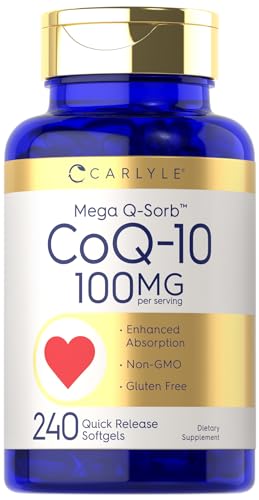
You're getting 100mg of **Coenzyme Q10** per softgel — right at the floor of the clinically studied range (100–300mg) for heart health and cellular energy production. The softgel uses olive oil as a carrier, which helps since CoQ10 is fat-soluble and needs dietary fat to absorb properly. There's also 5mg of **Black Pepper Extract** (piperine), which can boost absorption of fat-soluble compounds.
The form here is ubiquinone, which your body needs to convert into ubiquinol (the active form) before it can use it. That conversion becomes less efficient as you age, so if you're over 40, you may get more out of a ubiquinol-based product. For younger adults, ubiquinone at this dose is a reasonable starting point for cardiovascular and energy support.
At 100mg you're at the low end of what's been studied — most heart health trials use 200–300mg daily. If you're supplementing for a specific cardiovascular goal, you'd likely want to double the dose to two softgels per day.
BioStacks
Best for
Ingredients (2)
Black Pepper ext.
100%Dose
5 mg
Target
5–20 mg
Form
—
Coenzyme Q10
100%Dose
100 mg
Target
100–300 mg
Form
Standard
Other Ingredients (5)
Soy LecithinEmulsifier
Widely used emulsifier derived from soybeans
BeeswaxCoating
Natural wax produced by honeybees, used as a coating and binding agent in softgels and tablets
Extra Virgin Olive OilCarrier
Cold-pressed olive oil used as a carrier and filler in softgel capsules for fat-soluble nutrients
Rosemary ExtractPreservative
Natural plant-derived antioxidant used to preserve freshness and prevent oxidation of oils and fats in supplements
SoftgelCapsule
One-piece gelatin capsule shell with a plasticizer (typically glycerin), used to encapsulate liquid or oil-based supplements
How to Take It
Take it anytime
Fat-soluble — absorbs far better with a fat-containing meal. Time of day doesn't matter.
With a meal containing fat
On the label
Suggested Adult Use: Take 1 softgel daily, preferably with food for maximum absorption, or as recommended by a nutritionally informed physician.
General guidance based on the ingredients, not a substitute for the label or your doctor.
Price Check
$19.99
Cheaper than 77% of 223 coenzyme Q10 supplements
Track this supplement in your stack
Get personalized insights, interactions, and coverage recommendations.
Get Started FreeSimilar Supplements
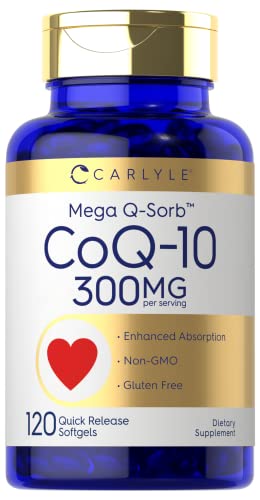
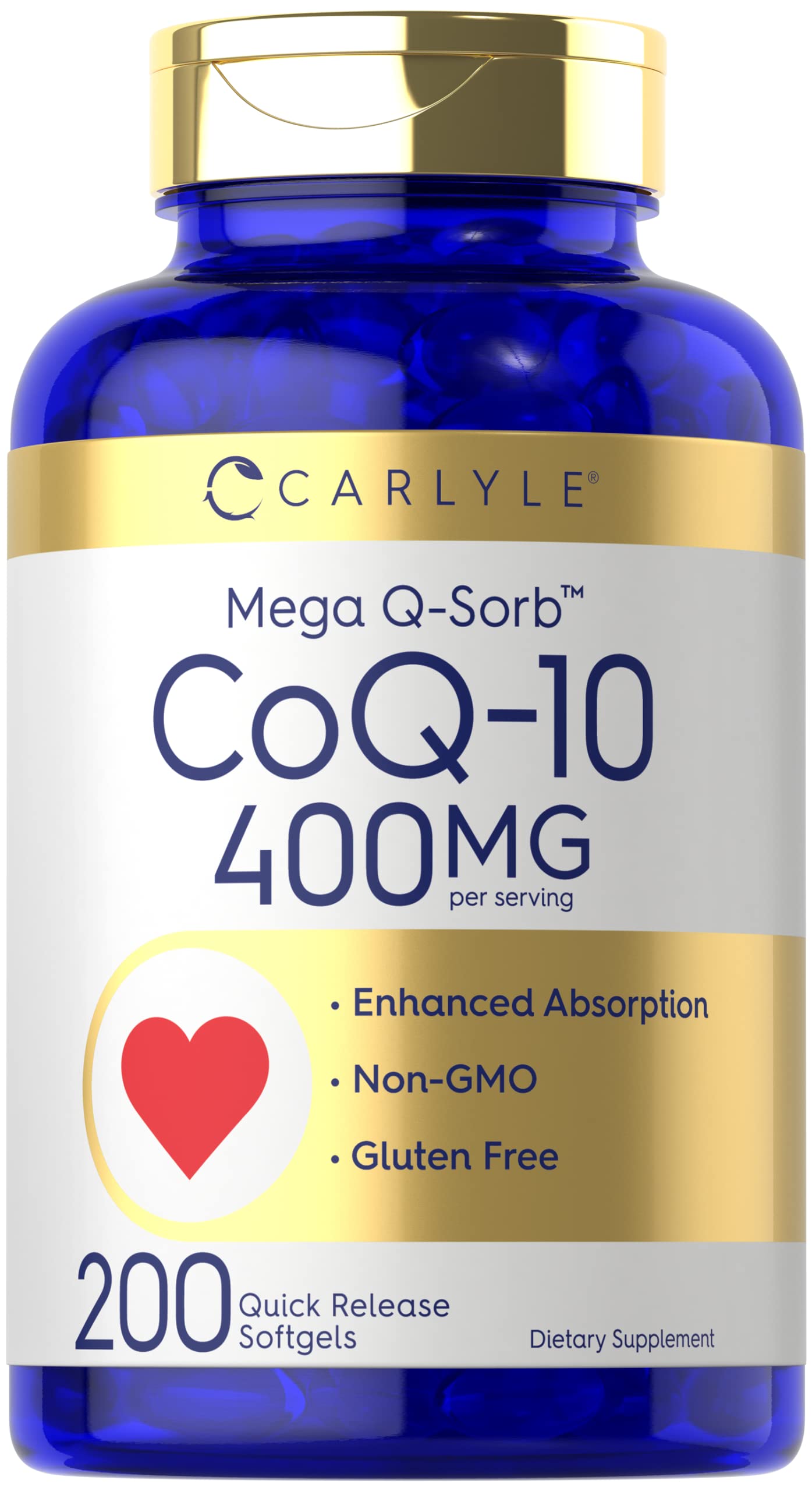
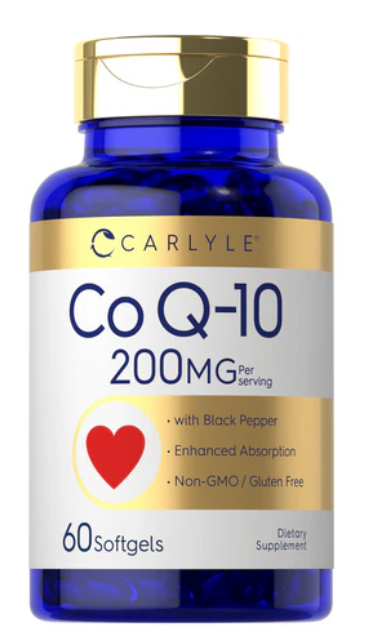
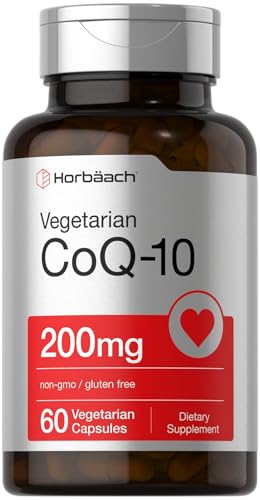
Sources & Scoring
Nutrient data (RDA, UL, and safety thresholds) sourced from the NIH Office of Dietary Supplements and the National Academies Dietary Reference Intakes (DRI).
This is not medical advice. Consult a healthcare provider before making changes to your supplement routine.
The score analyzes what's on the label: ingredient doses vs. studied ranges, chemical forms, evidence levels, and known interactions. It does not verify label accuracy or test for contaminants — for that, look for third-party certifications like USP or NSF.