Each serving gives you 200mg of **Magnesium** from Albion's chelated lysinate glycinate — a well-absorbed form that's gentle on your stomach. At two tablets, you're at the midpoint of the 100–400mg clinical range, enough to support muscle relaxation, energy production, and sleep quality. Follow the label's full recommendation of two servings daily (four tablets) and you'll hit 400mg, right at the top of the studied range.
**Magnesium** deficiency is extremely common — estimated to affect over half the population — and blood tests often miss it because serum levels don't reflect what's actually in your cells. The glycinate chelate form here is particularly relevant if you're taking it for sleep or stress support, since it avoids the laxative effect you'd get from citrate forms.
The main consideration is pill burden. Reaching the full 400mg daily dose means four tablets, so if you only take one serving you're getting a moderate but not maximal dose. At 200mg per serving, you may want to pair this with dietary magnesium sources to cover your full needs.
BioStacks
Best for
Ingredients (1)
Magnesium
100%Dose/day
400 mg
Target
100–400 mg
Form
Premium
Other Ingredients (7)
Magnesium StearateLubricant
A salt of stearic acid used as a lubricant in tablet and capsule production
Silicon DioxideAnti-caking
Fine silica powder used to prevent clumping
Croscarmellose SodiumDisintegrant
Cross-linked cellulose derivative used as a superdisintegrant
Hydroxypropyl CelluloseBinder
An inert modified-cellulose polymer used as a binder, film-former, and disintegrant.
HypromelloseCapsule
Plant-derived capsule material from cellulose
Microcrystalline CelluloseBinder
Plant-derived cellulose used as a binder and filler in supplements
Stearic AcidLubricant
Saturated fatty acid used as tablet lubricant
How to Take It
Best taken in the evening
Magnesium glycinate is the gentlest form on the gut and the one most people take at night. Absorption doesn't change with the clock — consistency does.
With or without food
Space it a couple of hours from Iron and Calcium
Label directs 2 servings — keep one for the evening
On the label
Suggested adult use: Take 2 tablets twice daily, or as recommended by a nutritionally informed physician.
General guidance based on the ingredients, not a substitute for the label or your doctor.
Price Check
$12.99
Cheaper than 83% of 579 magnesium supplements
Track this supplement in your stack
Get personalized insights, interactions, and coverage recommendations.
Get Started FreeSimilar Supplements
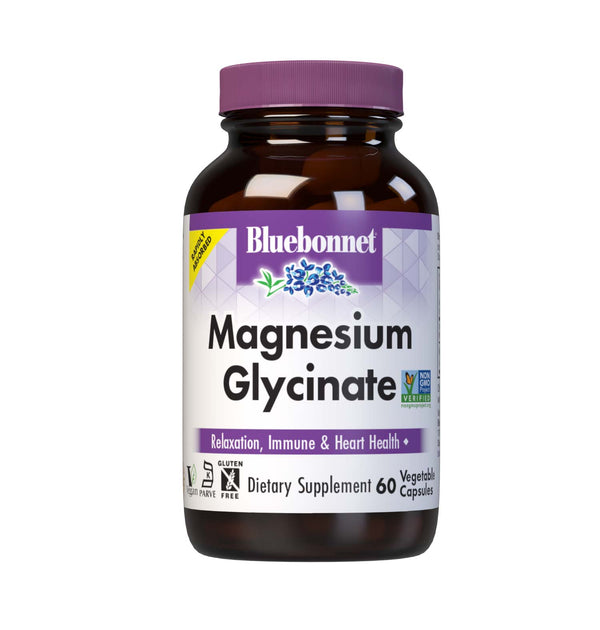
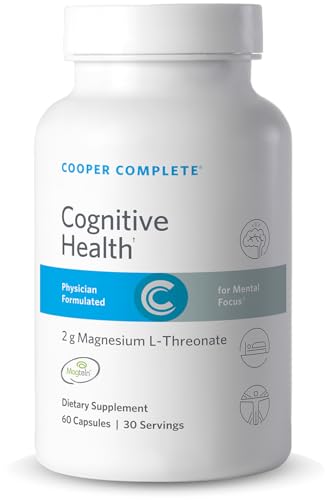
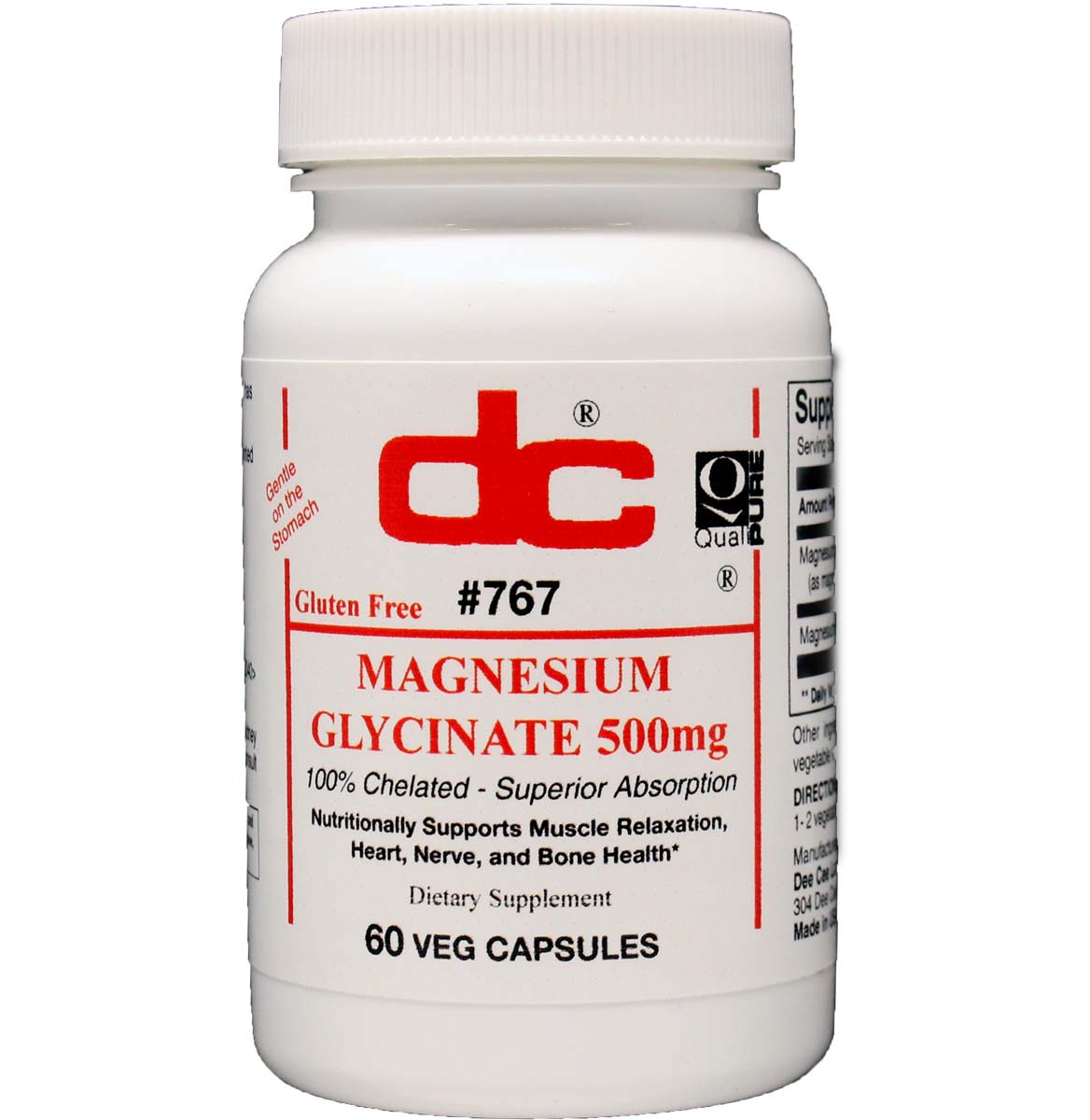
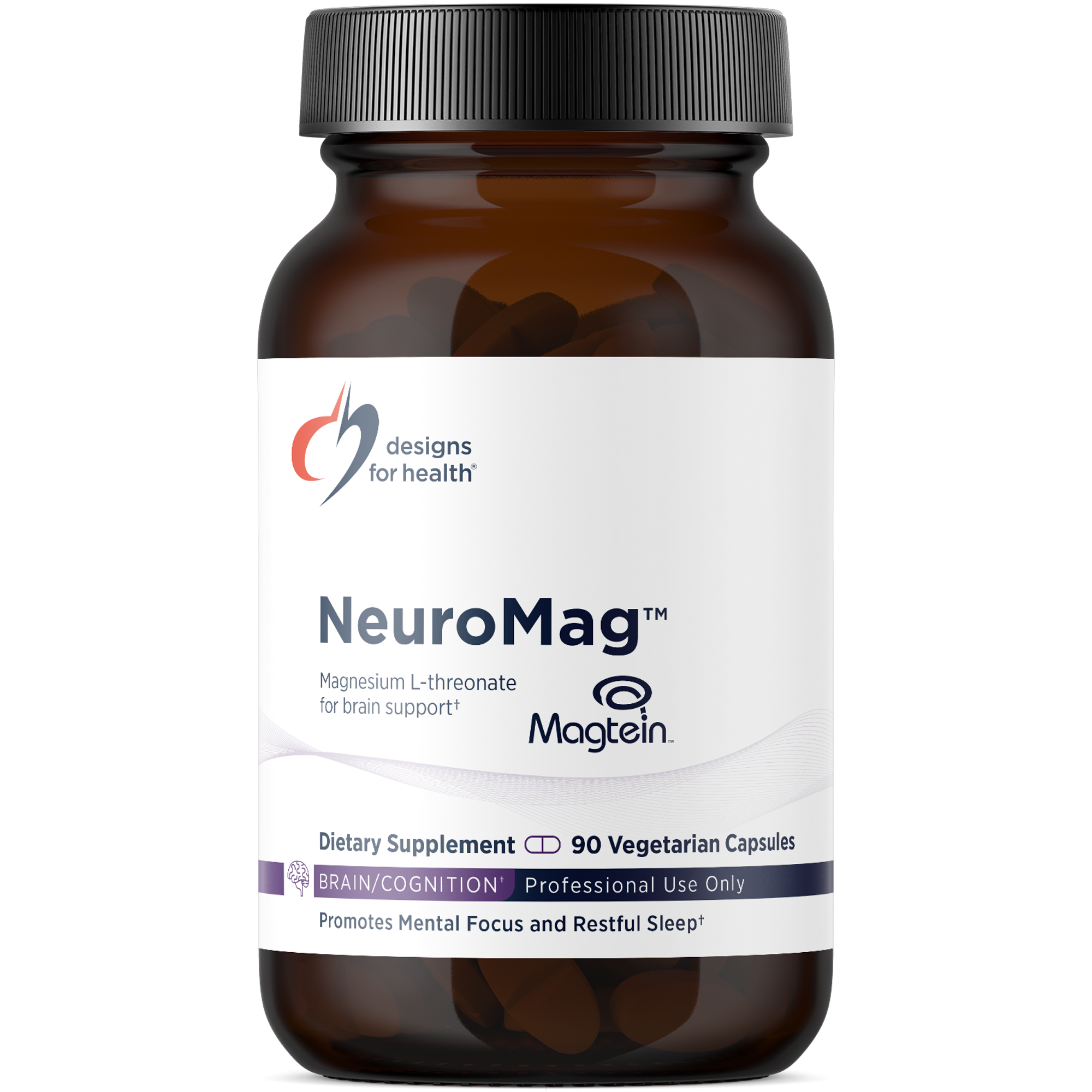
Sources & Scoring
Nutrient data (RDA, UL, and safety thresholds) sourced from the NIH Office of Dietary Supplements and the National Academies Dietary Reference Intakes (DRI).
This is not medical advice. Consult a healthcare provider before making changes to your supplement routine.
The score analyzes what's on the label: ingredient doses vs. studied ranges, chemical forms, evidence levels, and known interactions. It does not verify label accuracy or test for contaminants — for that, look for third-party certifications like USP or NSF.