Each scoop delivers 200 mg of elemental **magnesium** from **magnesium lysinate glycinate chelate**, a premium chelated form known for high absorption and minimal digestive side effects. The suggested two scoops per day bring you to 400 mg, right at the top of the clinically studied supplemental range (100–400 mg). Magnesium is involved in hundreds of processes in your body, from energy production and muscle function to heart rhythm and bone health.
The glycinate chelate form absorbs efficiently through your intestines without the laxative effect that citrate or oxide can cause. The glycine component also supports relaxation and sleep quality, making this a good option if you take magnesium in the evening. The powder format dissolves in liquid, which can further improve absorption compared to compressed tablets.
Magnesium deficiency is extremely common — over half the population may not get enough, since standard blood tests don't reflect what's stored inside your cells. If you pair this with vitamin D, magnesium is required to activate it in your body; without enough magnesium, supplemental vitamin D stays largely inactive.
BioStacks
Best for
Ingredients (1)
Magnesium
100%Dose/day
400 mg
Target
100–400 mg
Form
Premium
Other Ingredients (1)
NoneFood
Placeholder for labels whose Other Ingredients line reads 'None' — indicates no additional excipients.
How to Take It
Best taken in the evening
Magnesium glycinate is the gentlest form on the gut and the one most people take at night. Absorption doesn't change with the clock — consistency does.
With or without food
Space it a couple of hours from Iron and Calcium
Label directs 2 servings — keep one for the evening
On the label
Suggested Adult Use: Mix 1 level scoop with 8-oz. fruit juice or beverage of your choice twice daily, or as recommended by a nutritionally informed physician.
General guidance based on the ingredients, not a substitute for the label or your doctor.
Price Check
$19.99
Near the median of 579 magnesium supplements
Track this supplement in your stack
Get personalized insights, interactions, and coverage recommendations.
Get Started FreeSimilar Supplements
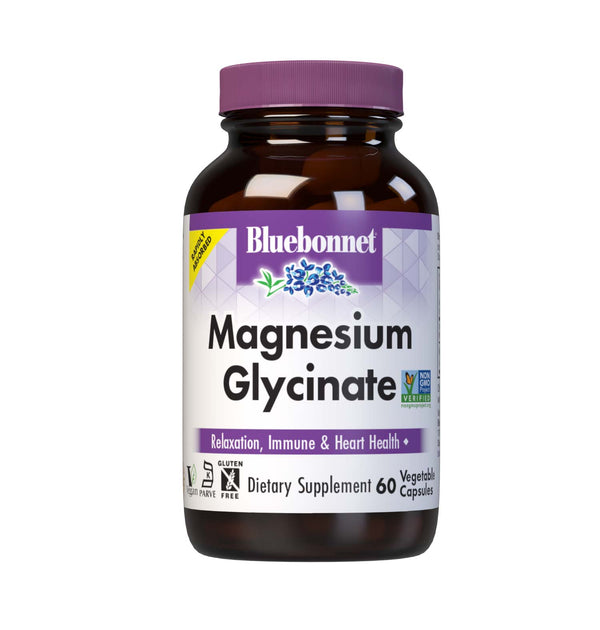
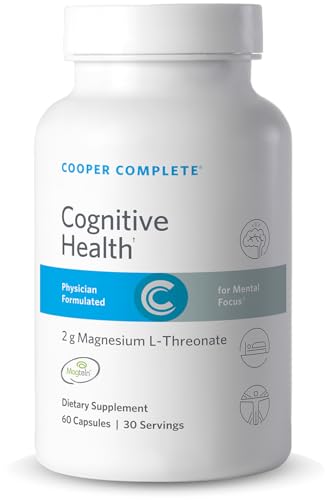
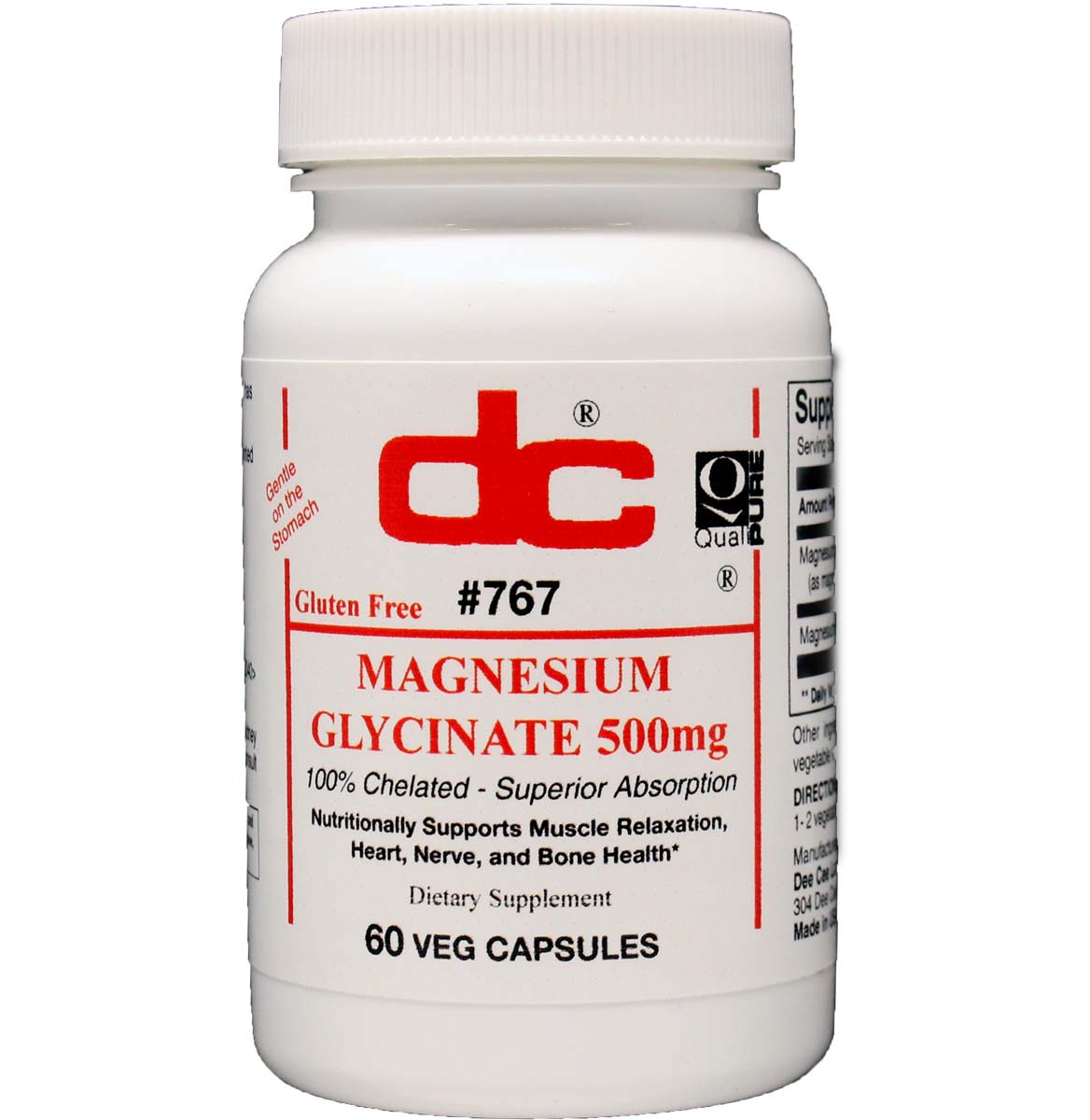
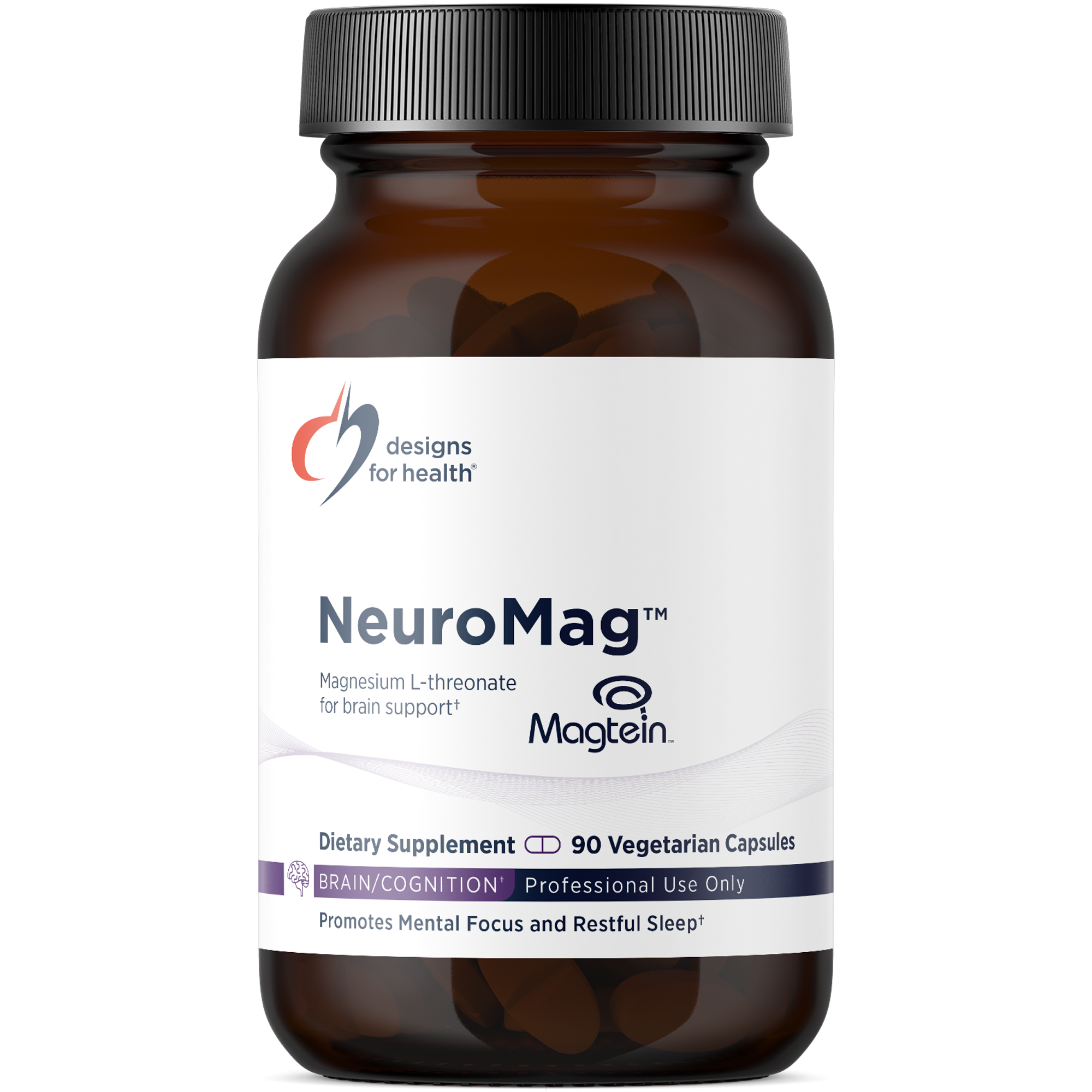
Sources & Scoring
Nutrient data (RDA, UL, and safety thresholds) sourced from the NIH Office of Dietary Supplements and the National Academies Dietary Reference Intakes (DRI).
This is not medical advice. Consult a healthcare provider before making changes to your supplement routine.
The score analyzes what's on the label: ingredient doses vs. studied ranges, chemical forms, evidence levels, and known interactions. It does not verify label accuracy or test for contaminants — for that, look for third-party certifications like USP or NSF.