Each scoop provides 6.6 g of **hydrolyzed collagen** (Types 1 and 3) from bovine sources, landing within the clinically studied range of 5-20 g per day. At this dose, you are in the range where randomized trials have observed improvements in skin elasticity and hydration — most skin-focused studies show benefits starting at 2.5 g per day. Hydrolyzed means the collagen proteins have been broken into smaller peptides that your gut can absorb more efficiently than intact collagen or gelatin.
Types 1 and 3 are the most abundant collagen types in your skin, bones, tendons, and ligaments. Type 1 alone makes up about 90% of your body's total collagen. The bovine source is well-studied and provides both types in a ratio similar to what your body naturally produces. The ingredient list contains nothing else — no sweeteners, no flavoring, no additives — so you are getting collagen and nothing more. The powder format lets you mix it into water, coffee, or smoothies, and dissolving it in liquid can support absorption.
One thing to keep in mind: your body needs **vitamin C** to actually build new collagen fibers. Vitamin C activates the enzymes that cross-link collagen into its functional structure. This product does not include vitamin C, so if your diet is low in fruits and vegetables, pairing it with a vitamin C source will help you get the most out of your collagen intake.
BioStacks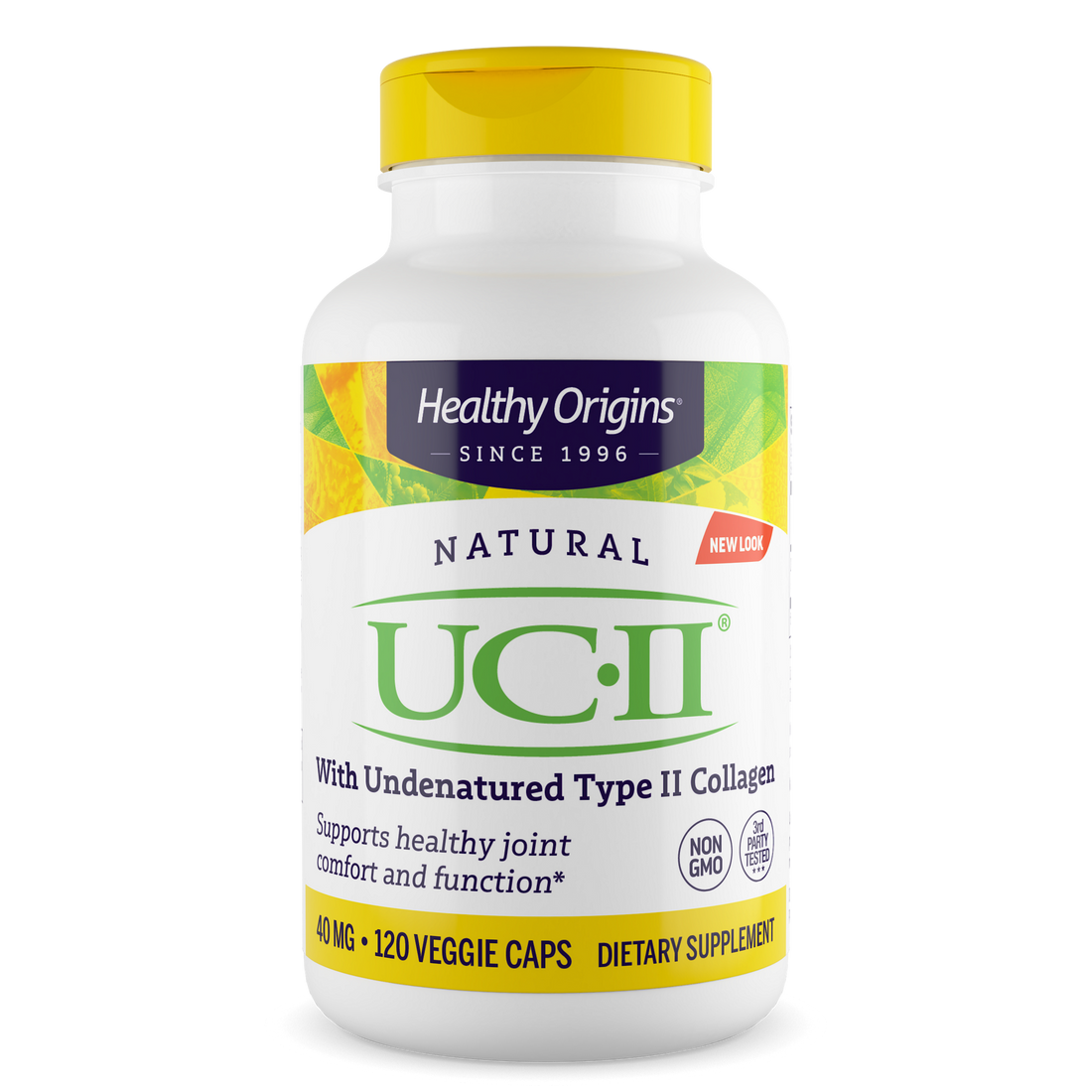
Best for
Ingredients (1)
Hydrolyzed Collagen Type 1 & 3
100%Dose
6.6 Gram(s)
Target
5–20 g
Form
Standard
Nutrition
Calories, macros & sodium.
- Calories24 Calorie(s)
- Protein6 Gram(s)
Other Ingredients (1)
NoneFood
Placeholder for labels whose Other Ingredients line reads 'None' — indicates no additional excipients.
How to Take It
Take it anytime
Timing doesn't matter — daily consistency over weeks is what moves outcomes.
With or without food
On the label
Suggested Adult Use: Dissolve 1 scoop of powder in a small amount of water or juice. Add an additional 6 - 8 oz. of liquid, mix well, and drink on an empty stomach at least 30 minutes before meals, or as recommended by a nutritionally-informed physician. To ensure optimal collagen absorption, avoid taking additional protein supplements within one hour of consumption.
General guidance based on the ingredients, not a substitute for the label or your doctor.
Price Check
$12.99
Cheaper than 92% of 136 collagen peptides supplements
Track this supplement in your stack
Get personalized insights, interactions, and coverage recommendations.
Get Started FreeSimilar Supplements
Healthy Origins
Natural UC-II 40 mg
🦴 for Bone & Joint
79
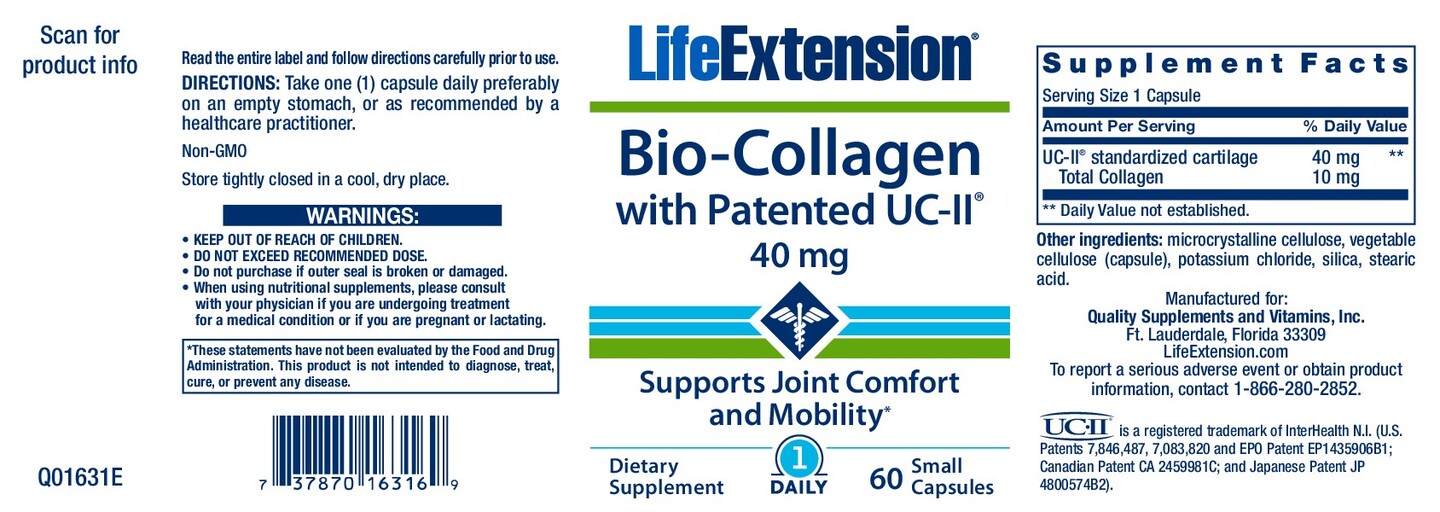
Life Extension
Bio-Collagen with Patented UC-II 40 mg
🦴 for Bone & Joint
79
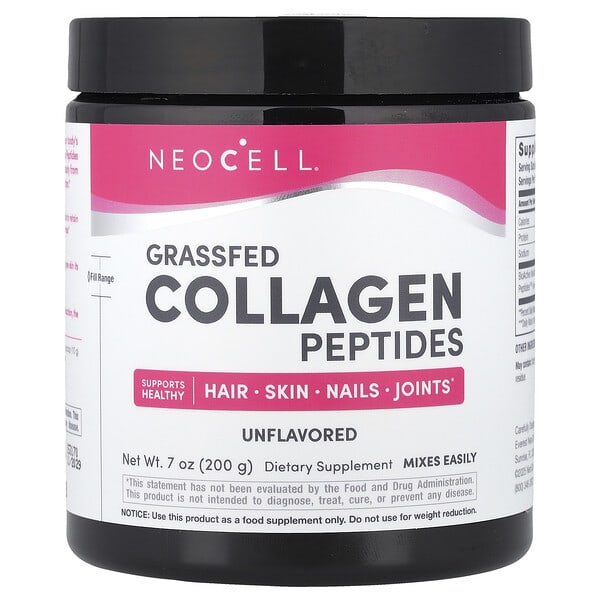
NeoCell
Grassfed Collagen Peptides, Unflavored, 7 oz (200 g)
✨ for Skin
71
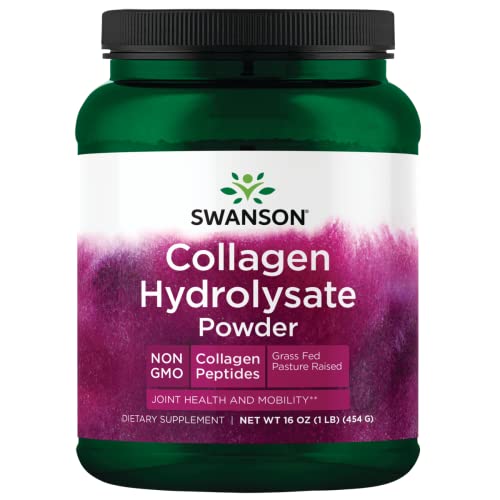
Swanson
High Plains Collagen Hydrolysate Powder
71
Great Lakes Wellness
Grass-Fed Bovine Collagen Peptides, Unflavored
✨ for Skin
68
Sources & Scoring
Nutrient data (RDA, UL, and safety thresholds) sourced from the NIH Office of Dietary Supplements and the National Academies Dietary Reference Intakes (DRI).
This is not medical advice. Consult a healthcare provider before making changes to your supplement routine.
The score analyzes what's on the label: ingredient doses vs. studied ranges, chemical forms, evidence levels, and known interactions. It does not verify label accuracy or test for contaminants — for that, look for third-party certifications like USP or NSF.