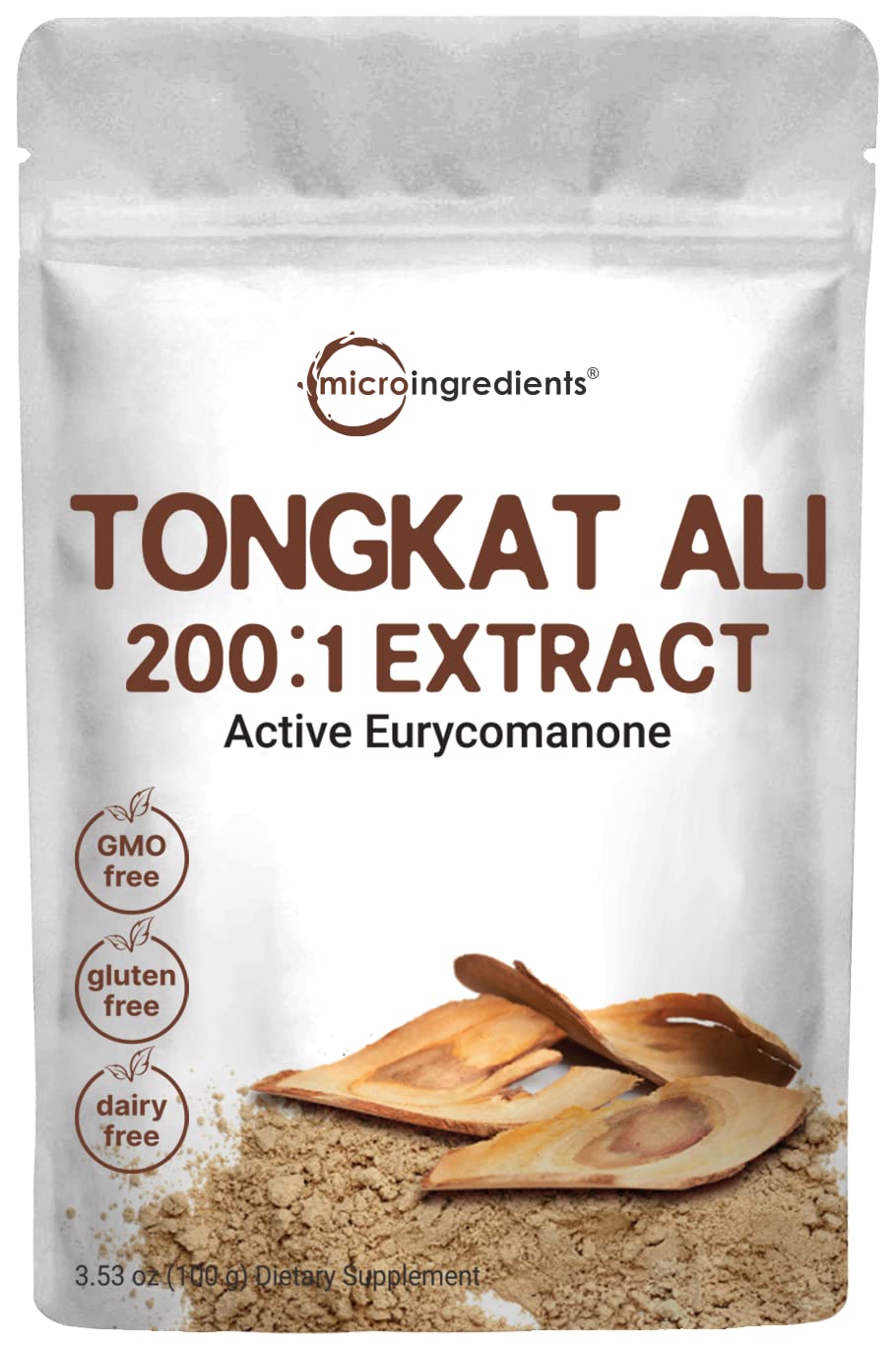
This is a testosterone-support stack built around two ingredients popularized in the biohacking space — and the dosing is generous. You're getting 1,000mg of **Tongkat Ali** as a concentrated 200:1 extract complex, well above the 200–400mg range used in clinical trials that showed meaningful increases in total testosterone and reductions in cortisol. A portion is standardized to 10% eurycomanone, the primary bioactive compound, which adds some quality assurance to the extract.
**Fadogia Agrestis** is dosed at 600mg — the top of the commonly used range — but here's the caveat: there are no human clinical trials on Fadogia alone. The testosterone claims come entirely from rat studies, and those same studies flagged testicular toxicity at higher doses. Its inclusion is based on popularity, not clinical proof, so you're taking on more uncertainty with this ingredient.
**BioPerine** at 5mg rounds out the formula to support absorption. The biggest consideration is that Fadogia's safety profile in humans remains poorly characterized — if you're using this product, Tongkat Ali is doing the evidence-backed heavy lifting.
BioStacks
Other Ingredients (2)
Magnesium StearateLubricant
A salt of stearic acid used as a lubricant in tablet and capsule production
HypromelloseCapsule
Plant-derived capsule material from cellulose
How to Take It
Take it anytime
Black Pepper Extract is easier on the stomach taken with food.
With food
On the label
Take 3 capsules with food once daily, or as directed by your healthcare professional. If greater result is desired, take up to 3 capsules twice daily with food.
General guidance based on the ingredients, not a substitute for the label or your doctor.
Price Check
$31.95
Pricier than 83% of 22 tongkat ali supplements
Track this supplement in your stack
Get personalized insights, interactions, and coverage recommendations.
Get Started FreeSimilar Supplements
Sources & Scoring
Nutrient data (RDA, UL, and safety thresholds) sourced from the NIH Office of Dietary Supplements and the National Academies Dietary Reference Intakes (DRI).
This is not medical advice. Consult a healthcare provider before making changes to your supplement routine.
The score analyzes what's on the label: ingredient doses vs. studied ranges, chemical forms, evidence levels, and known interactions. It does not verify label accuracy or test for contaminants — for that, look for third-party certifications like USP or NSF.