If your goal is managing stress and mental fatigue, **Rhodiola Rosea** has moderate clinical support from multiple RCTs showing reduced perceived stress and improved energy under pressure. The suggested dose here is 2 capsules daily, giving you 240mg of root extract with 12mg total rosavins.
Most clinical trials used 200–680mg of extract standardized to 3% rosavins and 1% salidroside. This product delivers 5% rosavins per capsule, so the standardization is above the typical benchmark — but the total extract amount at 240mg is on the lower end of what's been studied. Your response may depend on how close the salidroside content tracks to studied ratios, which isn't disclosed on the label.
For you, the main gap is transparency around salidroside content. Rosavins and salidroside work together, and most clinical research specifies both markers. Without knowing the salidroside level, it's harder to compare this directly to the doses used in published trials.
BioStacks
Every active here is dosed below the amount studied to work. See how each one compares in the breakdown below.
Best for
Ingredients (1)
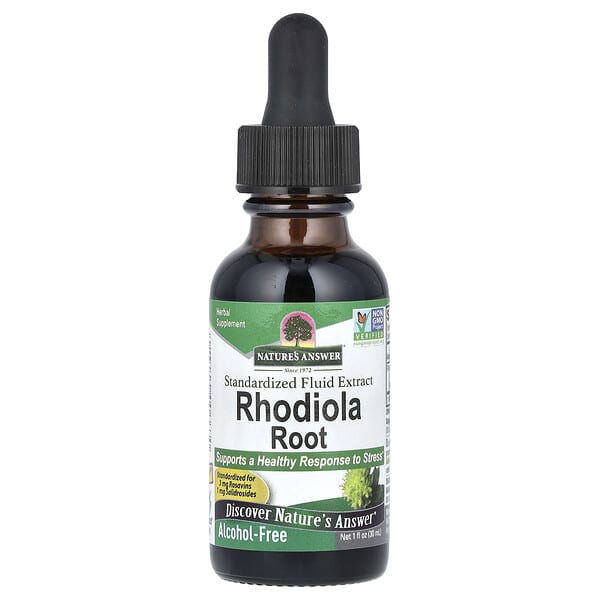
Siberian Rhodiola Root Extract
8%Dose/day
12 mg
Target
144–400 mg
Form
Standard
Nutrition
Calories, macros & sodium.
- Total Carbohydrates1 Gram(s)
Other Ingredients (3)
GlycerinHumectant
Sweet-tasting liquid used in soft capsules and liquids
HypromelloseCapsule
Plant-derived capsule material from cellulose
Purified WaterSolvent
Water meeting USP specifications used as solvent/vehicle in gummies and liquids
How to Take It
Best taken in the morning
Mildly stimulating adaptogen — take in the morning, ideally before breakfast.
On an empty stomach
Label directs 2 servings — keep one for the morning
On the label
Suggested Use Adults take 1 capsule 2 times daily between meals. Use only as directed on label.
General guidance based on the ingredients, not a substitute for the label or your doctor.
Price Check
$49.49
Pricier than 90% of 40 rhodiola rosea supplements
Track this supplement in your stack
Get personalized insights, interactions, and coverage recommendations.
Get Started FreeSimilar Supplements
Sources & Scoring
Nutrient data (RDA, UL, and safety thresholds) sourced from the NIH Office of Dietary Supplements and the National Academies Dietary Reference Intakes (DRI).
This is not medical advice. Consult a healthcare provider before making changes to your supplement routine.
The score analyzes what's on the label: ingredient doses vs. studied ranges, chemical forms, evidence levels, and known interactions. It does not verify label accuracy or test for contaminants — for that, look for third-party certifications like USP or NSF.