BioStacks
Best for
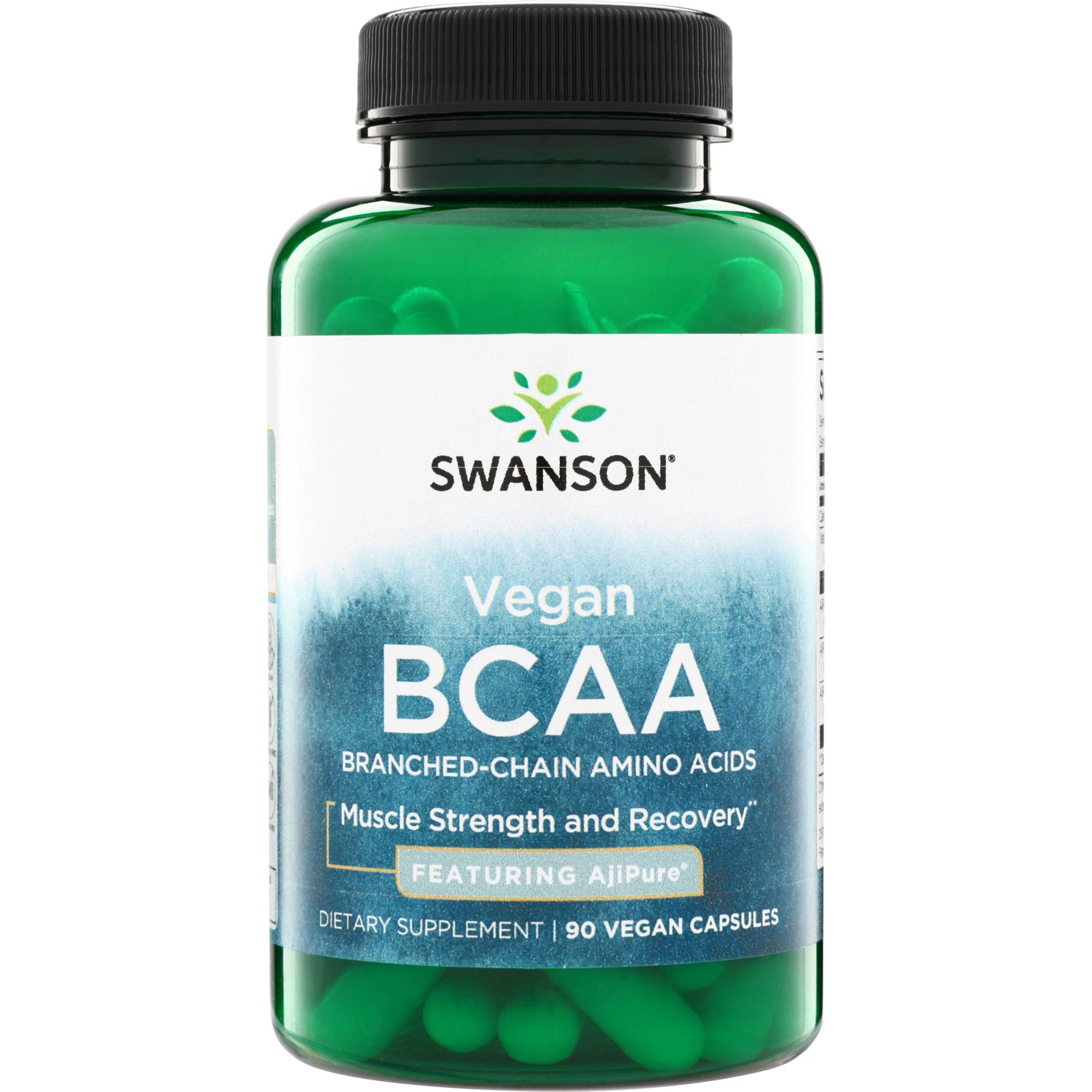
Ingredients (4)
L-Leucine
100%Dose
4000 mg
Target
2000–5000 mg
Form
—
Vitamin B6
12%Dose
3 mg
Target
25–100 mg
Form
Premium
L-Valine
67%Dose
1000 mg
Target
1500–4000 mg
Form
—
L-Isoleucine
67%Dose
1000 mg
Target
1500–4000 mg
Form
—
Other Ingredients (11)
CarboxymethylcelluloseThickener
Carboxymethylcellulose was the second emulsifier (with polysorbate 80) in Chassaing et al. 2015 (Nature, PMID 25731162), which showed mucus-barrier thinning, a microbiota shift toward pro-inflammatory species, low-grade inflammation, and metabolic syndrome in mice. Chassaing 2022 (Gastroenterology, PMID 34774538) tested CMC directly in a randomized controlled human feeding trial and found reduced microbial diversity and bacterial encroachment into the normally sterile mucus layer in a susceptible subset of participants. EFSA's 2018 re-evaluation could not establish a safe level due to data gaps. For a purely textural excipient, the gut-barrier risk profile is unfavorable when safer thickeners are widely available.
Tapioca DextrinCarrier
A starch hydrolysate from tapioca used as a carrier and flow agent
DextroseSweetener
A simple glucose sugar used as a bulking agent, sweetener, and tablet diluent
Magnesium StearateLubricant
A salt of stearic acid used as a lubricant in tablet and capsule production
Silicon DioxideAnti-caking
Fine silica powder used to prevent clumping
Soy LecithinEmulsifier
Widely used emulsifier derived from soybeans
Croscarmellose SodiumDisintegrant
Cross-linked cellulose derivative used as a superdisintegrant
Dicalcium PhosphateBinder
Calcium and phosphorus compound used as binder
How to Take It
Best taken in the morning
Many people prefer B-vitamins earlier in the day; take with food to avoid nausea.
With food
On the label
As a dietary supplement consume one serving (6 tablets) with 8-16 ounces (250-500ml) of water or your favorite beverage before training, after training, or between meals.
The label says to take it on an empty stomach. What's in this one sits better with food, and you give up little by taking it that way.
General guidance based on the ingredients, not a substitute for the label or your doctor.
Price Check
$31.99
Cheaper than 70% of 165 muscle supplements
Track this supplement in your stack
Get personalized insights, interactions, and coverage recommendations.
Get Started FreeSimilar Supplements
Sources & Scoring
Nutrient data (RDA, UL, and safety thresholds) sourced from the NIH Office of Dietary Supplements and the National Academies Dietary Reference Intakes (DRI).
This is not medical advice. Consult a healthcare provider before making changes to your supplement routine.
The score analyzes what's on the label: ingredient doses vs. studied ranges, chemical forms, evidence levels, and known interactions. It does not verify label accuracy or test for contaminants — for that, look for third-party certifications like USP or NSF.