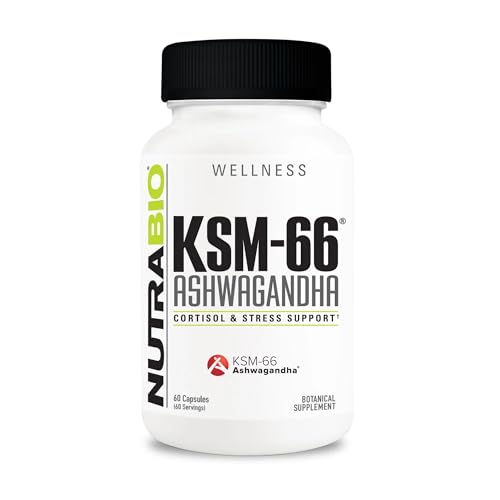
If you're looking for stress relief and lower cortisol, **Ashwagandha** has multiple RCTs supporting those benefits, and this product combines three forms of the herb — root powder (380mg), root extract (280mg), and a CO2 extract (10mg) — totaling 670mg per caplet. What this means for you: that total sits above the 300–600mg range studied in most clinical trials using standardized extracts like KSM-66 or Sensoril.
The withanolide content is where it gets nuanced for you. The label shows about 2.16mg total withanolides across all three sources. KSM-66 standardizes to 5% withanolides, delivering roughly 15mg per 300mg dose. Himalaya's withanolide concentration is significantly lower, meaning you're getting a full-spectrum whole-herb approach rather than a concentrated extract. Whether that matters depends on whether withanolide concentration or whole-plant synergy drives outcomes — the research is mixed.
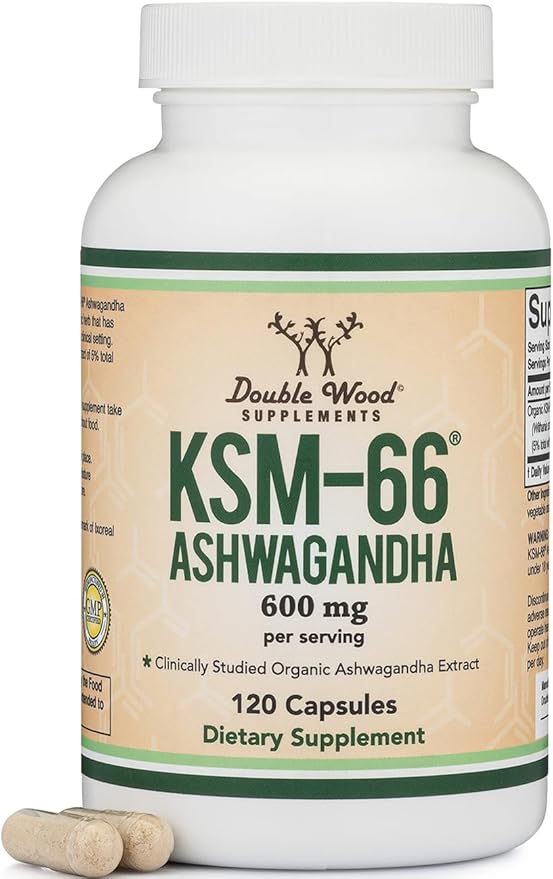
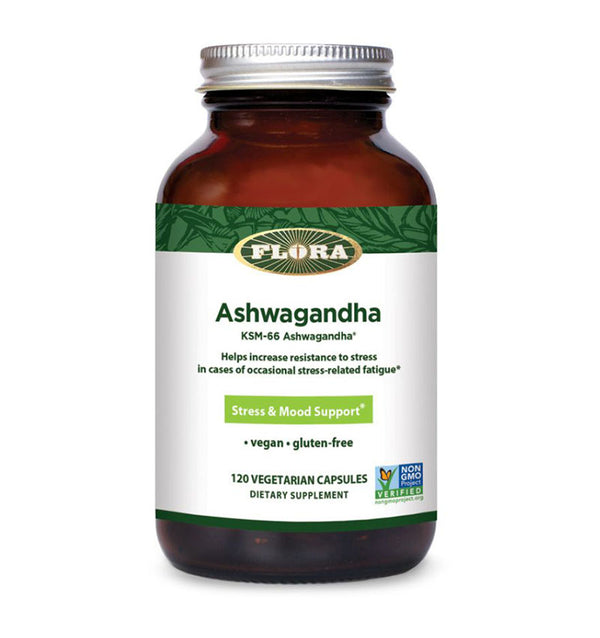
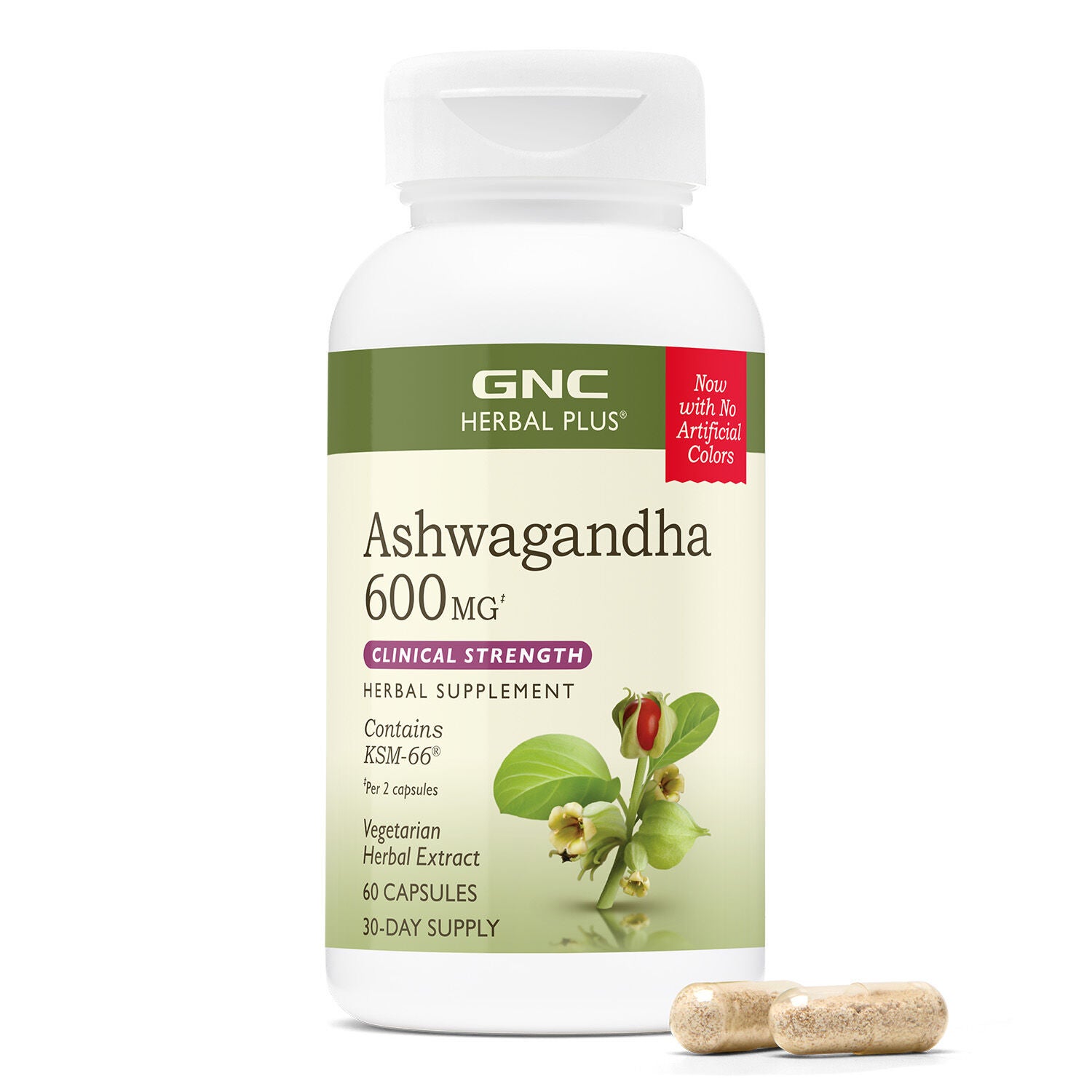
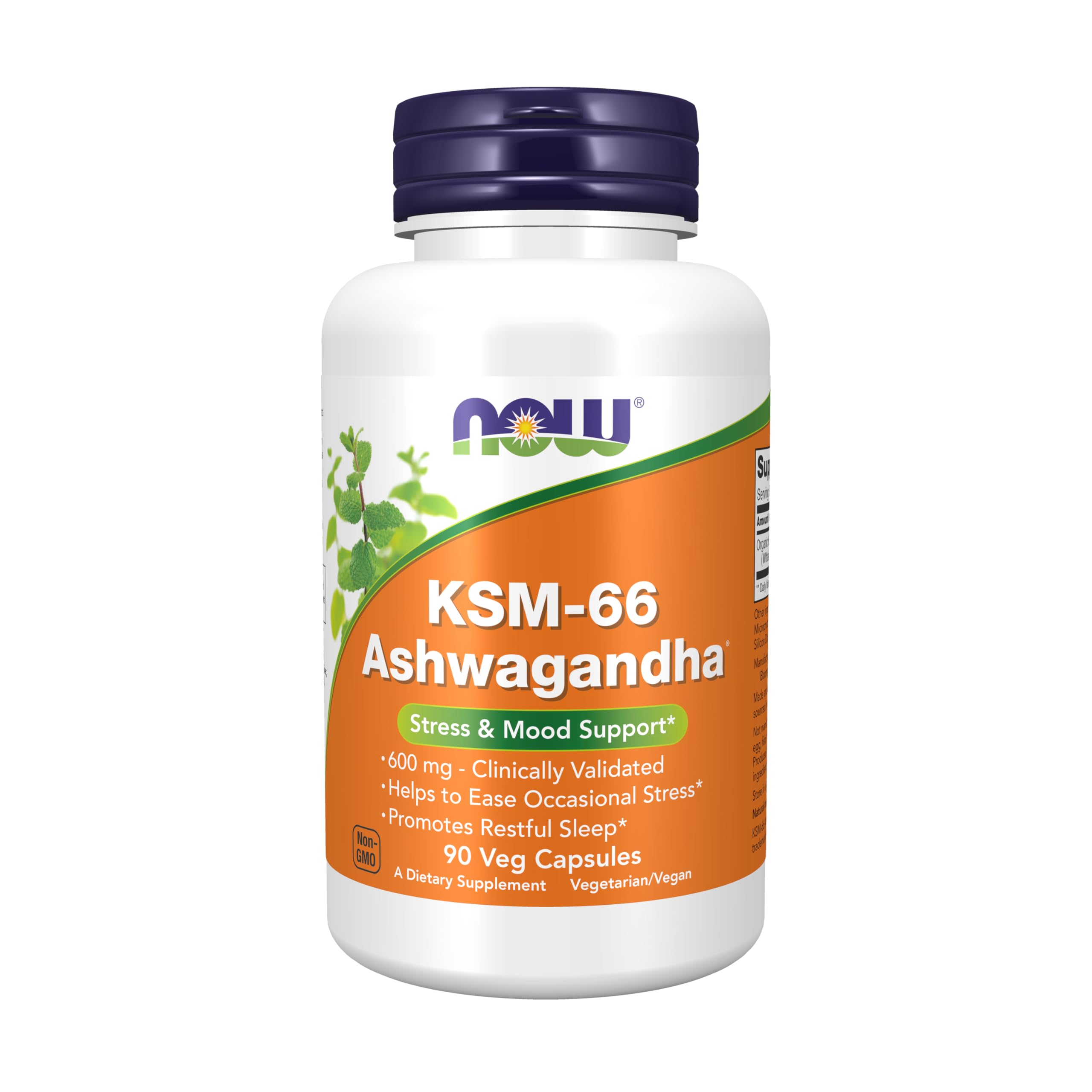
If you want a standardized, research-matched ashwagandha dose, a KSM-66 or Sensoril extract would more closely mirror what was used in clinical trials. This product takes a traditional whole-herb approach, which may appeal to you but is harder to compare to published study protocols.
BioStacks
Best for
Ingredients (3)
Ashwagandha, Powder
100%Dose
380 mg
Target
300–600 mg
Form
Standard
Ashwagandha Root Extract
93%Dose
280 mg
Target
300–600 mg
Form
Standard
organic Ashwagandha supercritical CO2 extract
3%Dose
10 mg
Target
300–600 mg
Form
Standard
Other Ingredients
No other ingredients listed
How to Take It
Best taken in the evening
Often taken in the evening for sleep and cortisol; take with food to avoid stomach upset.
With food
On the label
Recommended Use: Adults take 1 caplet per day before food.
General guidance based on the ingredients, not a substitute for the label or your doctor.
Price Check
$32.49
Pricier than 91% of 146 ashwagandha supplements
Track this supplement in your stack
Get personalized insights, interactions, and coverage recommendations.
Get Started FreeSimilar Supplements
Sources & Scoring
Nutrient data (RDA, UL, and safety thresholds) sourced from the NIH Office of Dietary Supplements and the National Academies Dietary Reference Intakes (DRI).
This is not medical advice. Consult a healthcare provider before making changes to your supplement routine.
The score analyzes what's on the label: ingredient doses vs. studied ranges, chemical forms, evidence levels, and known interactions. It does not verify label accuracy or test for contaminants — for that, look for third-party certifications like USP or NSF.