If you're looking for weight-loss support, the evidence here is thin. The active ingredient is **Coffea canephora robusta bean extract** (green coffee bean) at 200mg per serving, standardized to 45% chlorogenic acids. Two small manufacturer-sponsored studies linked this extract to modest weight loss over 8–12 weeks, but independent research has not strongly replicated those results. The broader evidence for green coffee bean extract and weight loss remains weak.
The rest of the formula is a basic multivitamin at low doses. What this means for you: **Vitamin D** at 3.3mcg (132 IU) is well below the clinical range of 1,000–5,000 IU. **Vitamin C** at 20mg, **Zinc** at 3.9mg, and **Selenium** at 10mcg are all dosed far below their studied therapeutic ranges. **B12** at 2mcg as cyanocobalamin barely meets the RDA. These vitamins won't meaningfully move the needle on any health goal at these amounts.
The directions say to use for 60 days alongside a calorie-reduced diet and exercise. That's important context — any weight loss you experience is far more likely driven by the diet and exercise than by 200mg of green coffee extract. The gummy format also adds 5g of sugar per serving.
BioStacks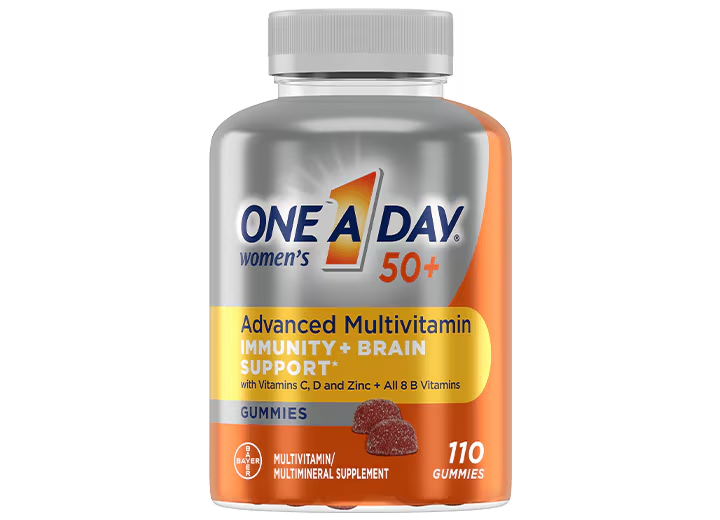
Ingredients (18)
Pantothenic Acid
40%Dose/day
20 mg
Target
50–500 mg
Form
Premium
Vitamin E
29%Dose/day
14.6 mg
Target
50–268 mg
Form
Premium
Thiamine
12%Dose/day
3 mg
Target
25–100 mg
Form
Premium
Vitamin B6
8%Dose/day
2 mg
Target
25–100 mg
Form
Premium
Biotin
21%Dose/day
210 mcg
Target
1000–5000 mcg
Form
—
Nutrition
Calories, macros & sodium.
- Calories30 Calorie(s)
- Sodium15 mg
- Total Carbohydrates8 Gram(s)
- Total Sugars5 Gram(s)
Other Ingredients (9)
Artificial ColorsColorant
May trigger hyperactivity in sensitive children; potential link to allergic reactions
Glucose SyrupSweetener
High glycemic load; source typically corn (generally gluten-free)
SucroseSweetener
Added sugars and high glycemic load; dental caries risk
Medium Chain Triglyceride OilCarrier
Fractionated oils rich in C8/C10 triglycerides used as neutral carrier or anti-sticking agent
Fruit Juice (unspecified)Colorant
Juice or juice concentrate used primarily for natural color and flavor in gummies
Natural FlavorsFlavor
Broad regulatory category of flavor constituents derived from natural sources. Composition is proprietary and not disclosed — 'Natural Flavors' can include several hundred different compounds depending on the target flavor profile, including hexane-extracted constituents and proprietary carrier solvents. 'Natural' is a regulatory definition (21 CFR §101.22), not a safety guarantee.
Carnauba WaxCoating
Hard plant wax from the carnauba palm used to glaze gummies and tablets
Citric AcidAcidulant
Natural acid derived from citrus fruits
How to Take It
Take it anytime
No evidence a formula this broad works better at any particular hour. Take it with a meal containing fat — the vitamins A, D, E and K in it absorb poorly without one.
With a meal containing fat
Space it a couple of hours from Iron and Calcium
Split into 2 doses across the day
On the label
Directions: Take 1 serving (3 gummies) twice daily, 30 to 60 minutes before your 2 largest meals. Do not exceed 2 servings (6 gummies) in a 24-hour period. Drink 8 to 10 glasses of water daily. For best results, use for a minimum of 60 days in conjunction with a calorie-reduced diet and regular exercise program.
General guidance based on the ingredients, not a substitute for the label or your doctor.
Price Check
$23.18
Near the median of 798 multivitamins
Track this supplement in your stack
Get personalized insights, interactions, and coverage recommendations.
Get Started FreeSimilar Supplements
One A Day
Women's 50+ Advanced Multivitamin with Immunity + Brain Support Gummies
🛡️ for Immune
44
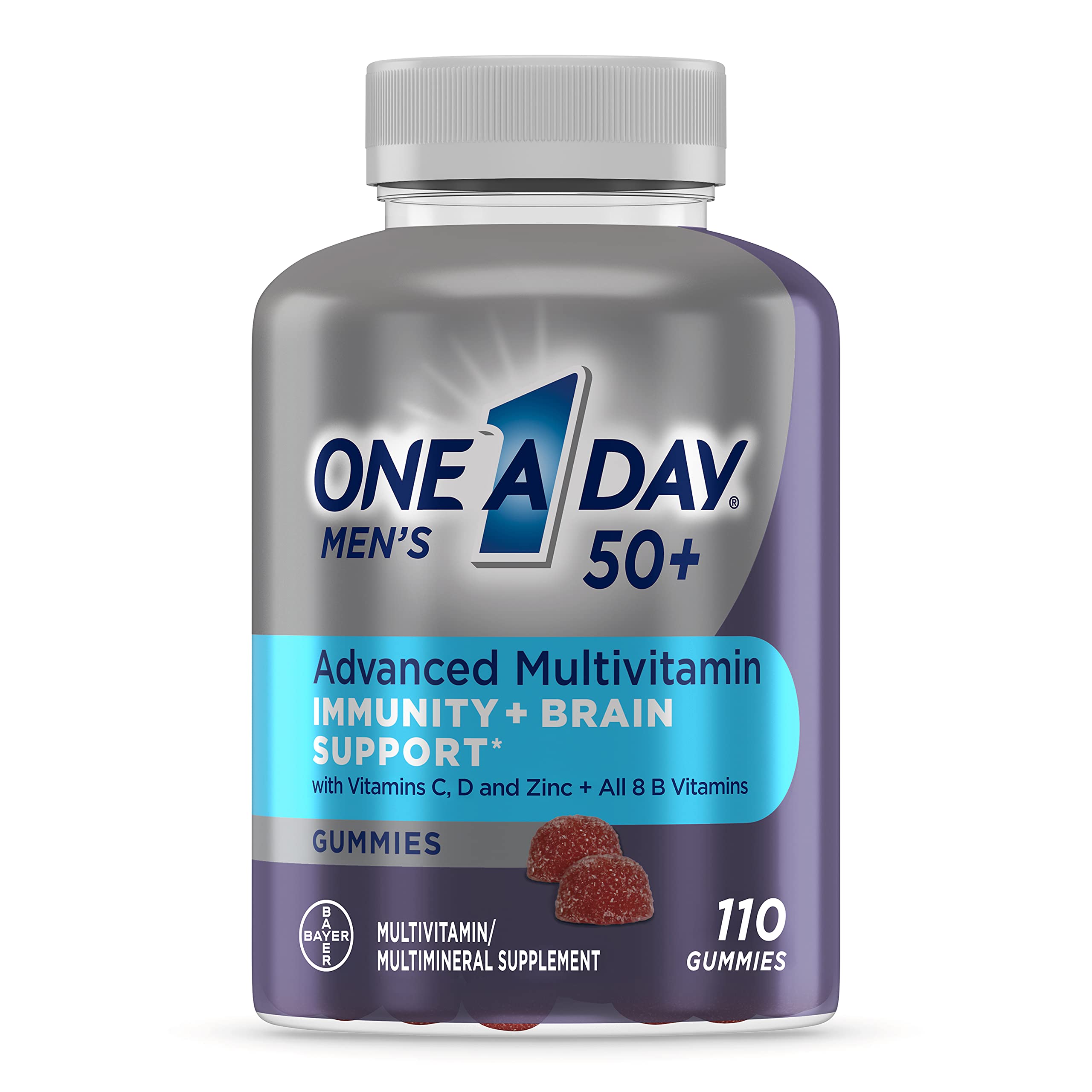
One A Day
Men's 50+ Advanced Multivitamin Gummies
🛡️ for Immune
35
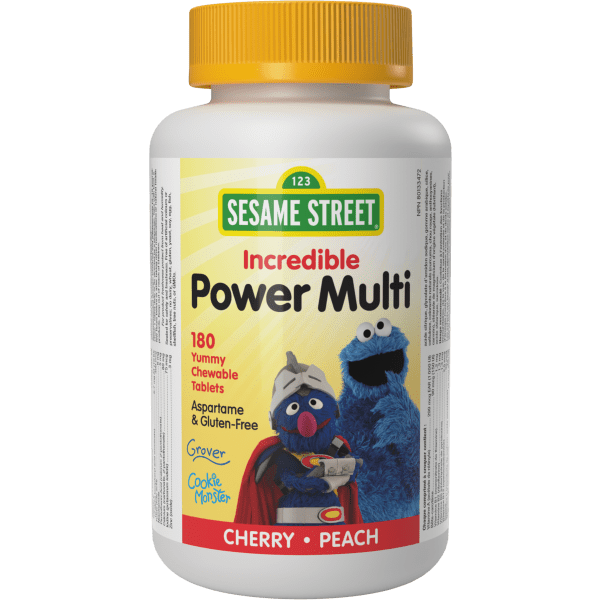
Webber Naturals
Sesame Street Incredible Power Multi Chewables
🤰 for Pregnancy
21
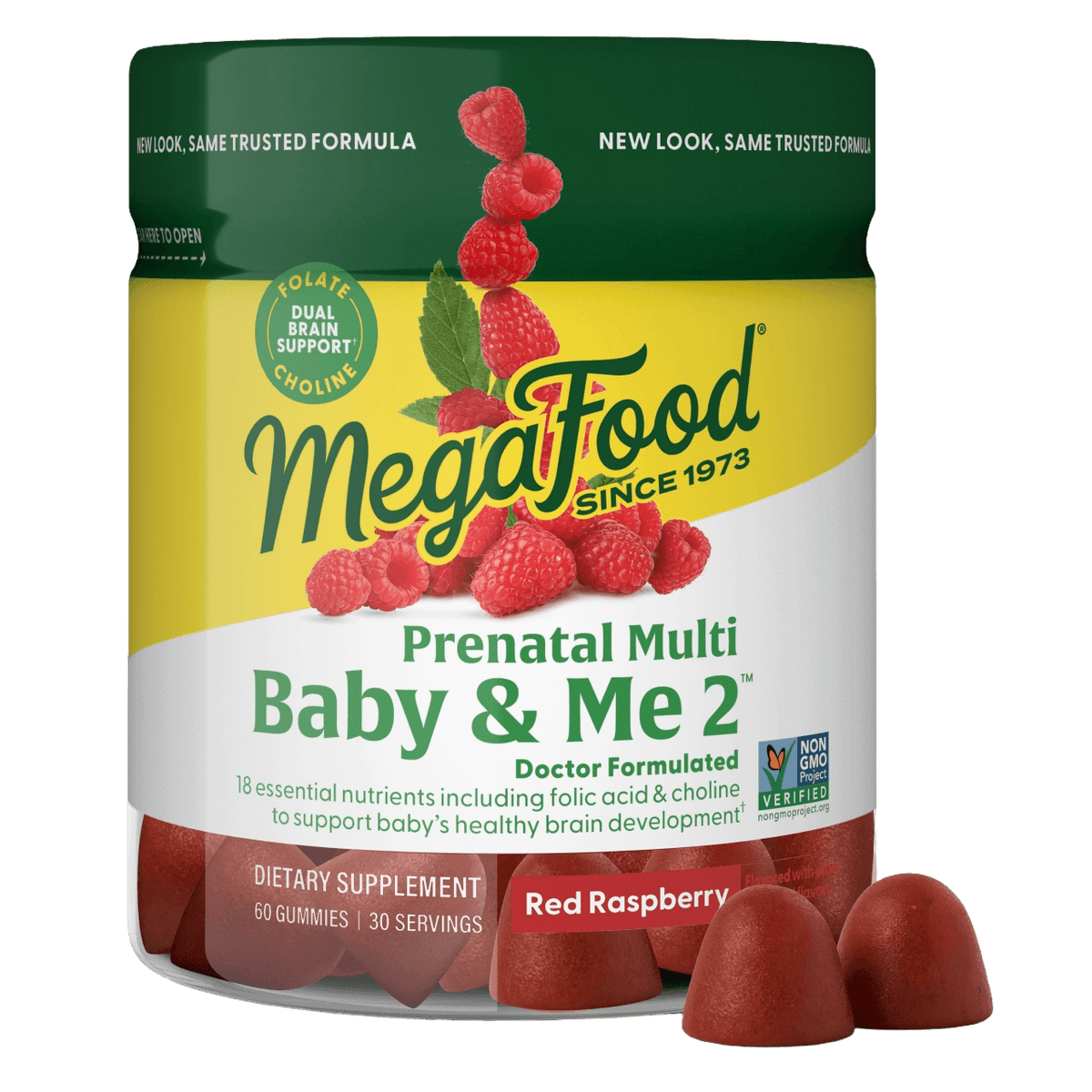
MegaFood
Baby & Me 2 Prenatal Multi Gummies (Red Raspberry)
🛡️ for Immune
48
EZ Melts
Multivitamin Without Iron
🤰 for Pregnancy
53
Sources & Scoring
Nutrient data (RDA, UL, and safety thresholds) sourced from the NIH Office of Dietary Supplements and the National Academies Dietary Reference Intakes (DRI).
This is not medical advice. Consult a healthcare provider before making changes to your supplement routine.
The score analyzes what's on the label: ingredient doses vs. studied ranges, chemical forms, evidence levels, and known interactions. It does not verify label accuracy or test for contaminants — for that, look for third-party certifications like USP or NSF.