Follow the label here — all three softgels matter. A single softgel gives you 500mg of **Glucosamine Sulfate** and 400mg of **Chondroitin Sulfate**, which is well below the studied range for either ingredient. But at the recommended three softgels daily, you reach 1,500mg glucosamine and 1,200mg chondroitin — right at the doses used in major joint trials like GAIT and MOVES.
The glucosamine is in the sulfate form (specifically the potassium chloride salt), which carries the strongest clinical evidence for joint comfort and cartilage maintenance. **Chondroitin** is sourced from bovine cartilage, the standard source used in most research. Together, this pairing has more clinical backing than either ingredient alone.
The tradeoff is pill burden — three large softgels daily with meals. If you tend to skip doses, you'll drop below the clinical threshold quickly, since each softgels on its own delivers only about a third of the effective dose.
BioStacks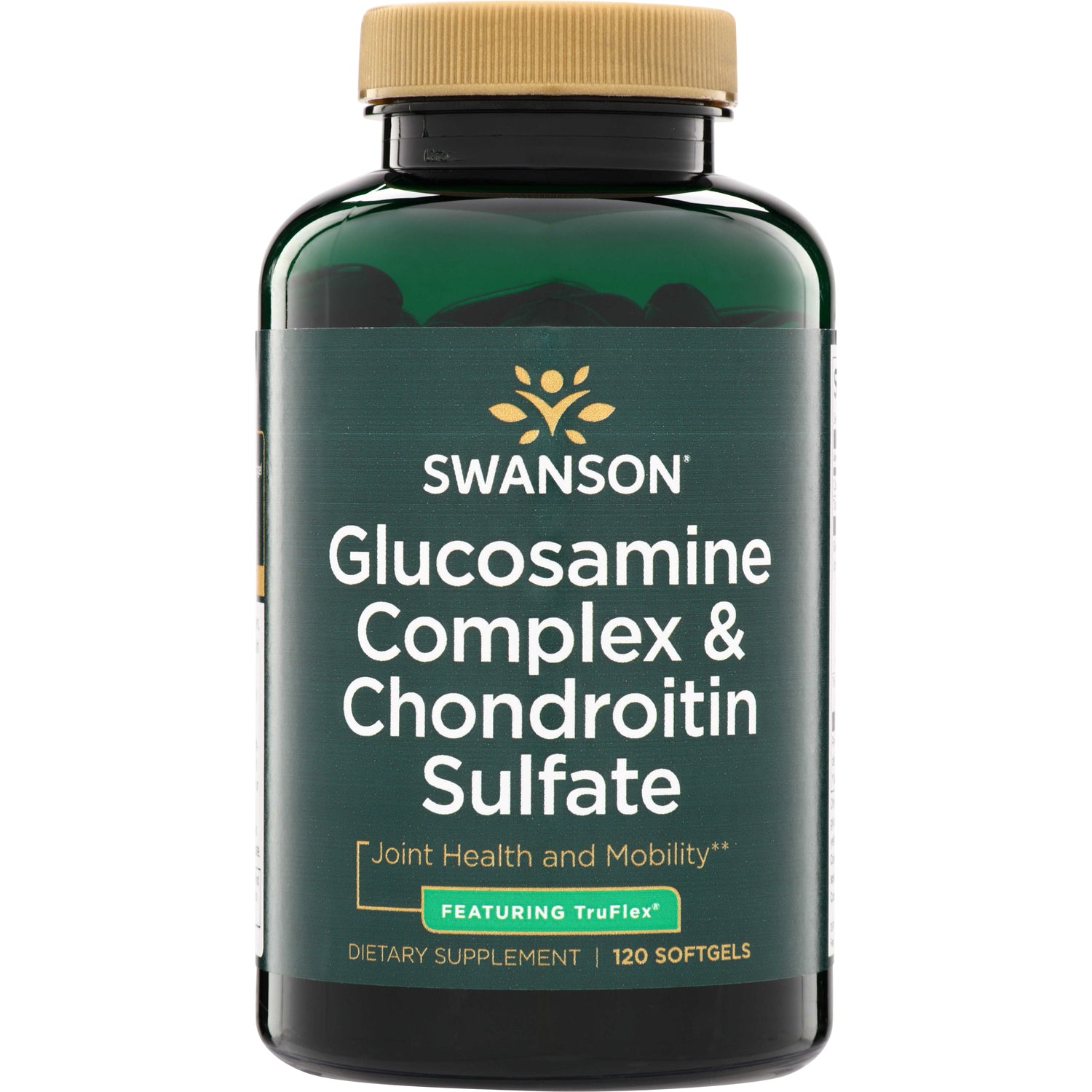
Best for
Ingredients (2)
Glucosamine Sulfate
100%Dose/day
1500 mg
Target
1000–1500 mg
Form
Standard
Chondroitin Sulfate
100%Dose/day
1200 mg
Target
800–1200 mg
Form
Standard
Other Ingredients (7)
Silicon DioxideAnti-caking
Fine silica powder used to prevent clumping
Silicon DioxideAnti-caking
Fine silica powder used to prevent clumping
Microcrystalline CelluloseBinder
Plant-derived cellulose used as a binder and filler in supplements
Microcrystalline CelluloseBinder
Plant-derived cellulose used as a binder and filler in supplements
GlycerinHumectant
Sweet-tasting liquid used in soft capsules and liquids
Stearic AcidLubricant
Saturated fatty acid used as tablet lubricant
Microcrystalline CelluloseBinder
Plant-derived cellulose used as a binder and filler in supplements
How to Take It
Take it anytime
Take with food to avoid stomach upset. Benefits, where they exist, take weeks of daily use to appear.
With food
Split into 3 doses across the day
On the label
Adults: Take 1 caplet 3 times daily with a meal. Use for a minimum of 1 month to see beneficial effects. Store between 15°C and 25°C, away from children.
General guidance based on the ingredients, not a substitute for the label or your doctor.
Price Check
No price yet
What 65 chondroitin supplements cost
Track this supplement in your stack
Get personalized insights, interactions, and coverage recommendations.
Get Started FreeSimilar Supplements
Swanson
Glucosamine Complex & Chondroitin Sulfate
🦴 for Bone & Joint
81
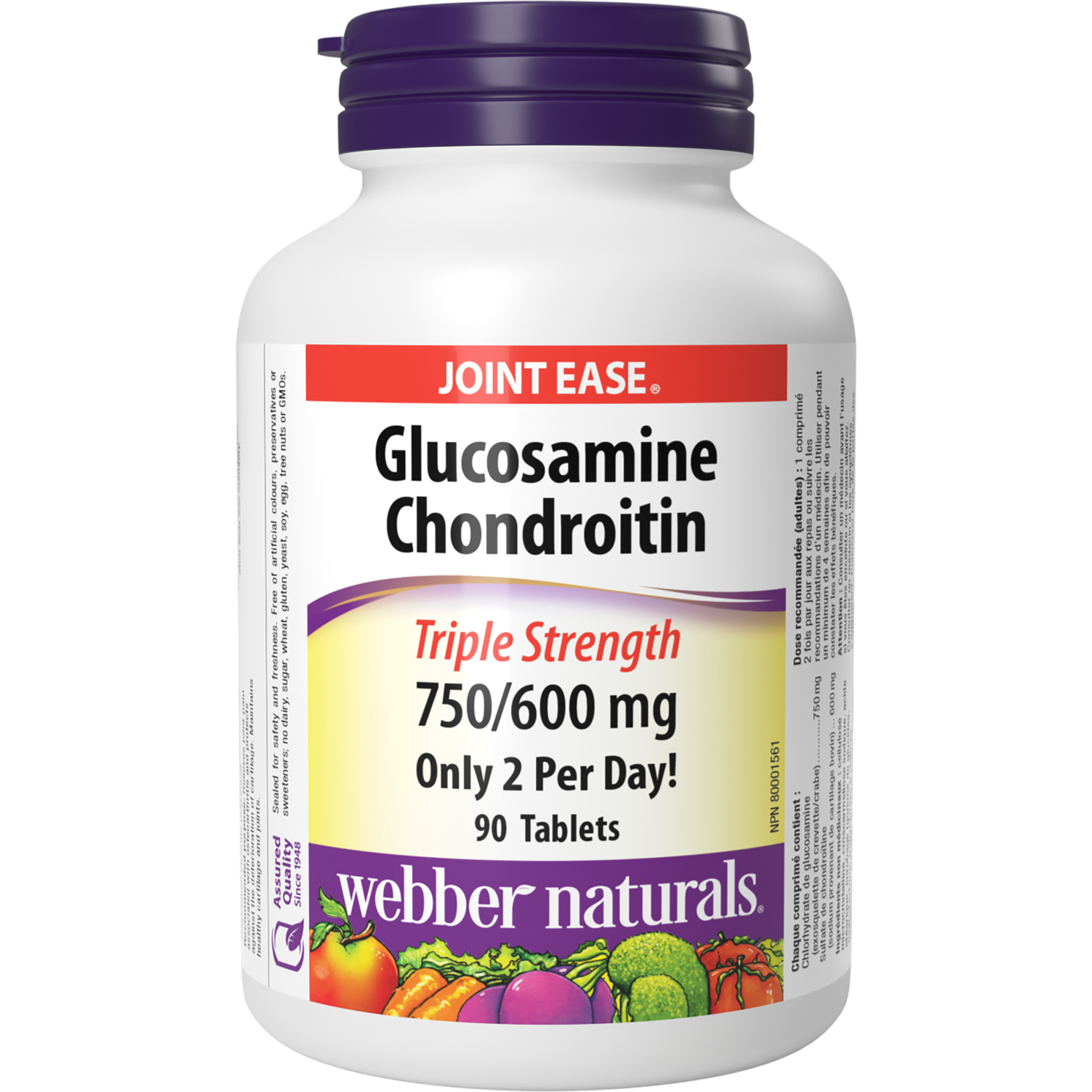
Webber Naturals
Glucosamine Chondroitin 750/600 mg
🦴 for Bone & Joint
81
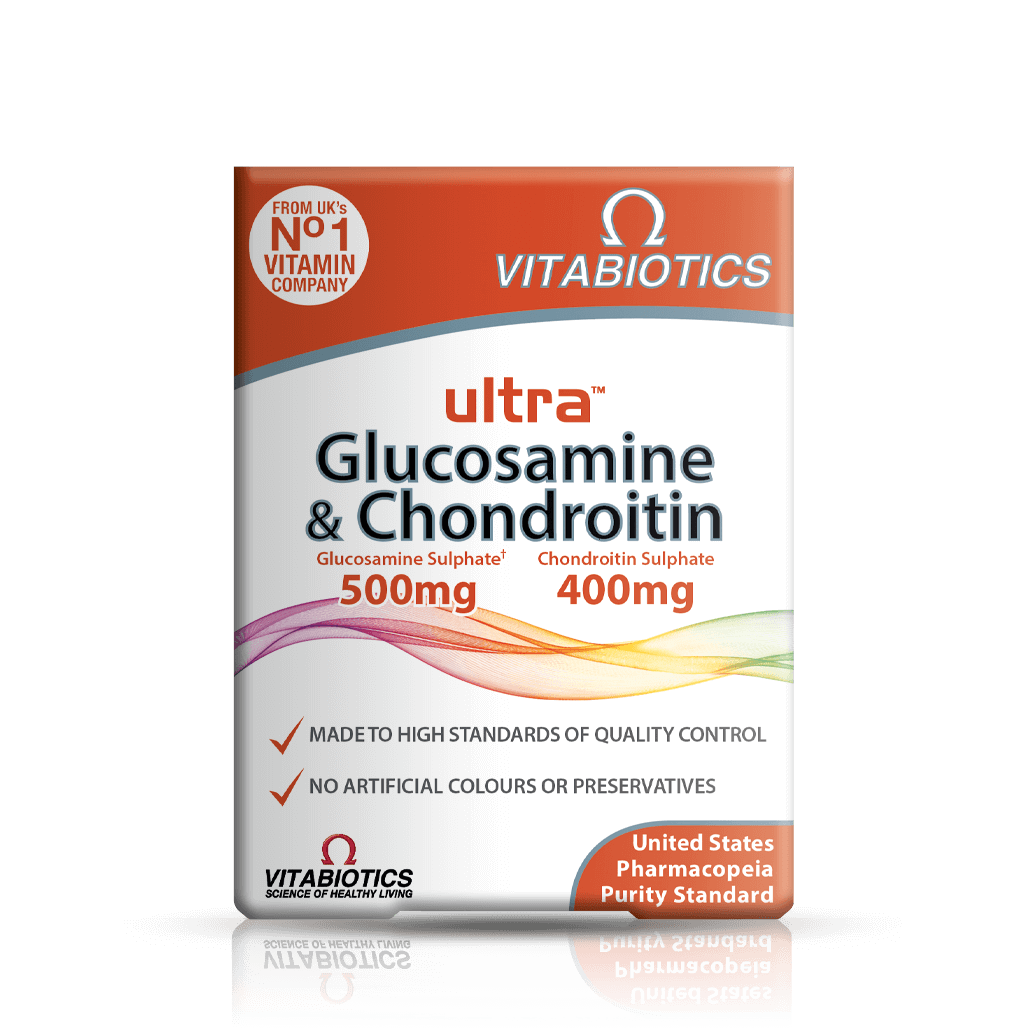
Vitabiotics
Ultra Glucosamine & Chondroitin
🦴 for Bone & Joint
78
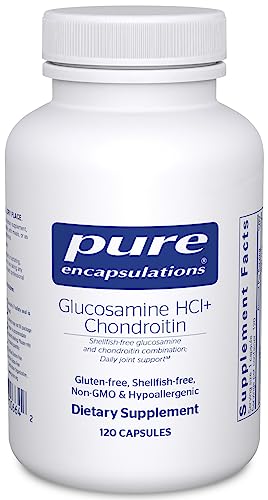
Pure Encapsulations
Glucosamine HCl+ Chondroitin
🦴 for Bone & Joint
75
Designs for Health
Glucosamine Chondroitin
🦴 for Bone & Joint
74
Sources & Scoring
Nutrient data (RDA, UL, and safety thresholds) sourced from the NIH Office of Dietary Supplements and the National Academies Dietary Reference Intakes (DRI).
This is not medical advice. Consult a healthcare provider before making changes to your supplement routine.
The score analyzes what's on the label: ingredient doses vs. studied ranges, chemical forms, evidence levels, and known interactions. It does not verify label accuracy or test for contaminants — for that, look for third-party certifications like USP or NSF.