BioStacks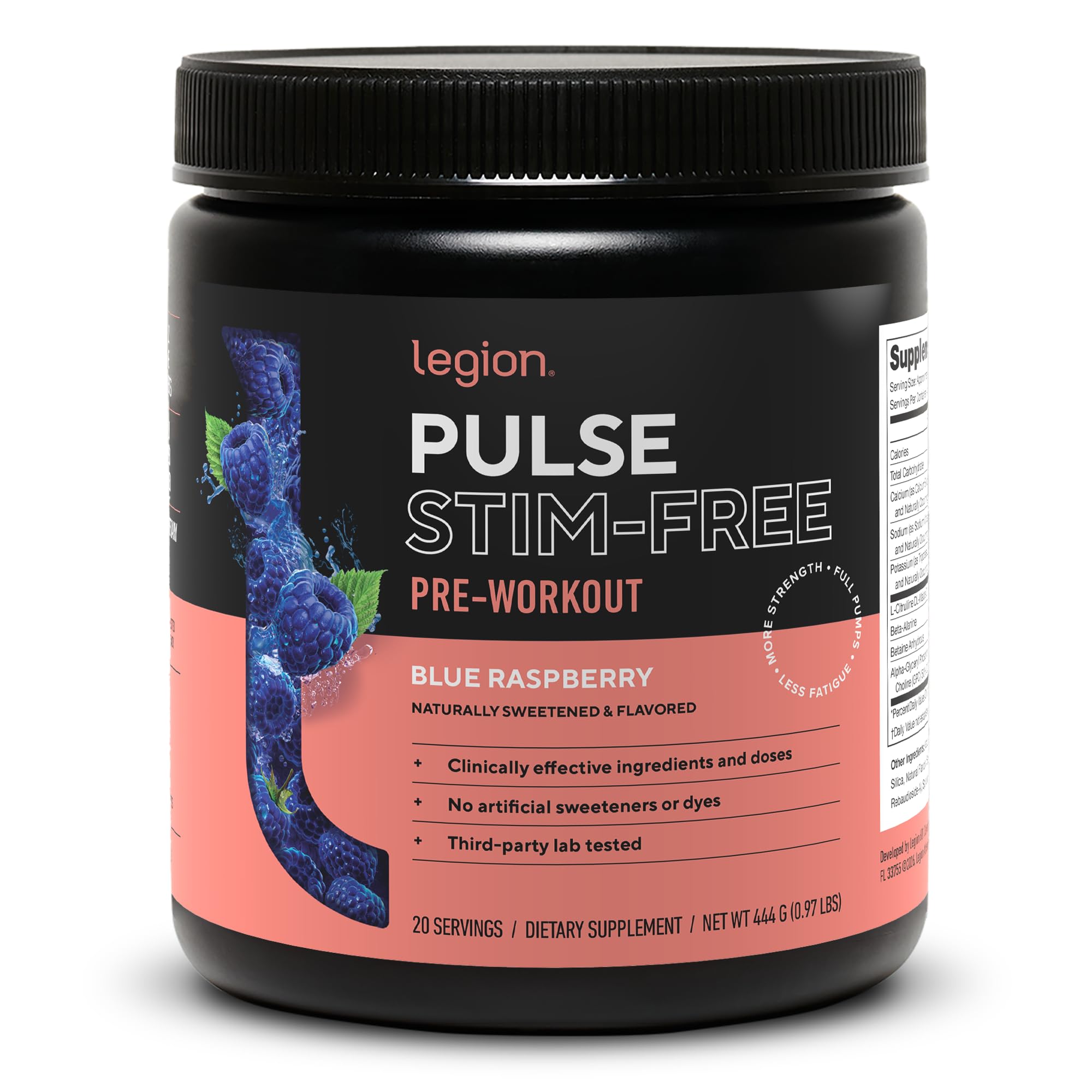
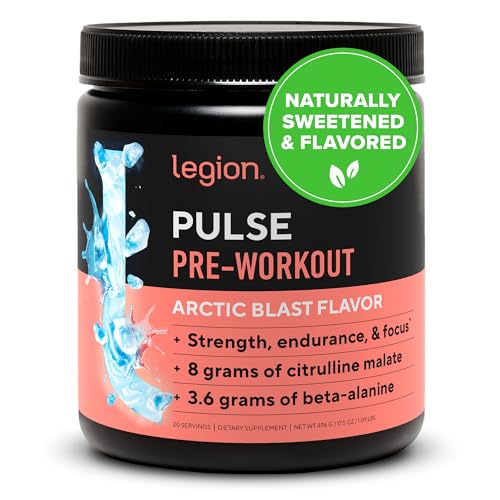
Ingredients (6)
Alpha-Glyceryl Phosphoryl Choline (GPC) 50%
100%Dose
300 mg
Target
100–500 mg
Form
—
Beta Alanine
100%Dose
3600 mg
Target
3200–6400 mg
Form
—
Potassium
100%Dose
250 mg
Target
99–500 mg
Form
Standard
Betaine Anhydrous
100%Dose
2500 mg
Target
2500–6000 mg
Form
—
L-Citrulline DL-Malate 2:1
100%Dose
8000 mg
Target
3000–6000 mg
Form
Standard
Nutrition
Calories, macros & sodium.
- Sodium100 mg
Other Ingredients (6)
ErythritolSweetener
Witkowski et al. 2023 (Nature Medicine, PMID 36849732) reported elevated plasma erythritol associated with major adverse cardiovascular events (MACE) in two cohorts (n=4,000+), with in-vitro and ex-vivo evidence of enhanced platelet aggregation. Replication is ongoing; FDA and EFSA have not changed their safety positions, but the signal is real and the additive is purely cosmetic. Better-established concern: GI tolerance — single doses above ~50 g cause osmotic diarrhea. Lower threshold for children.
Fruit Juice (unspecified)Colorant
Juice or juice concentrate used primarily for natural color and flavor in gummies
Natural FlavorsFlavor
Broad regulatory category of flavor constituents derived from natural sources. Composition is proprietary and not disclosed — 'Natural Flavors' can include several hundred different compounds depending on the target flavor profile, including hexane-extracted constituents and proprietary carrier solvents. 'Natural' is a regulatory definition (21 CFR §101.22), not a safety guarantee.
Silicon DioxideAnti-caking
Fine silica powder used to prevent clumping
Beetroot Juice PowderColorant
Natural red colorant and mild flavoring derived from beetroot; often spray-dried onto maltodextrin carrier
Stevia ExtractSweetener
Zero-calorie natural sweetener extracted from the leaves of Stevia rebaudiana
How to Take It
Take it anytime
Take with food — higher doses on an empty stomach commonly cause nausea.
With food
On the label
Mix 2 scoops in your beverage of choice.
General guidance based on the ingredients, not a substitute for the label or your doctor.
Price Check
$44.99
Pricier than 75% of 118 hydration supplements
Track this supplement in your stack
Get personalized insights, interactions, and coverage recommendations.
Get Started FreeSimilar Supplements
Legion
Pulse Stim-Free Pre-Workout Powder (Blue Raspberry)
💧 for Hydration
71
Legion
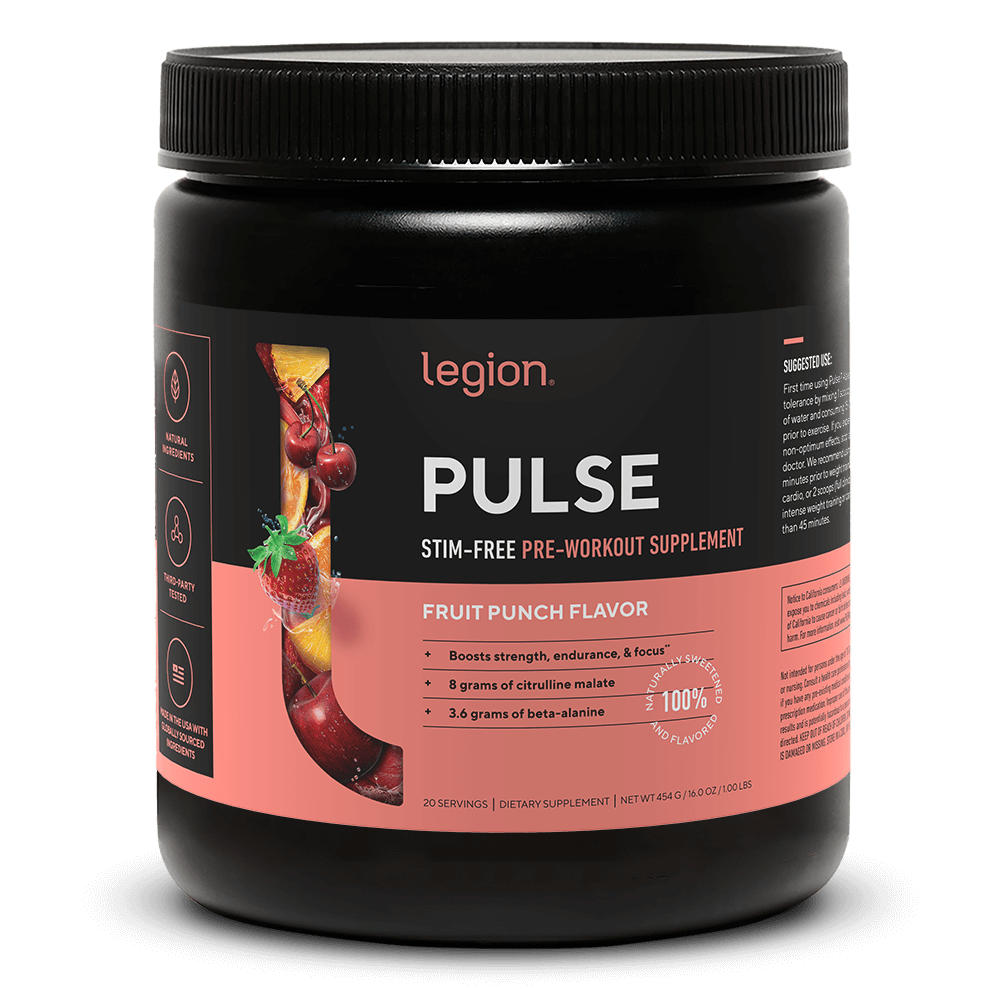
Pulse Stim-Free Pre-Workout Powder (Fruit Punch)
💧 for Hydration
71
Legion
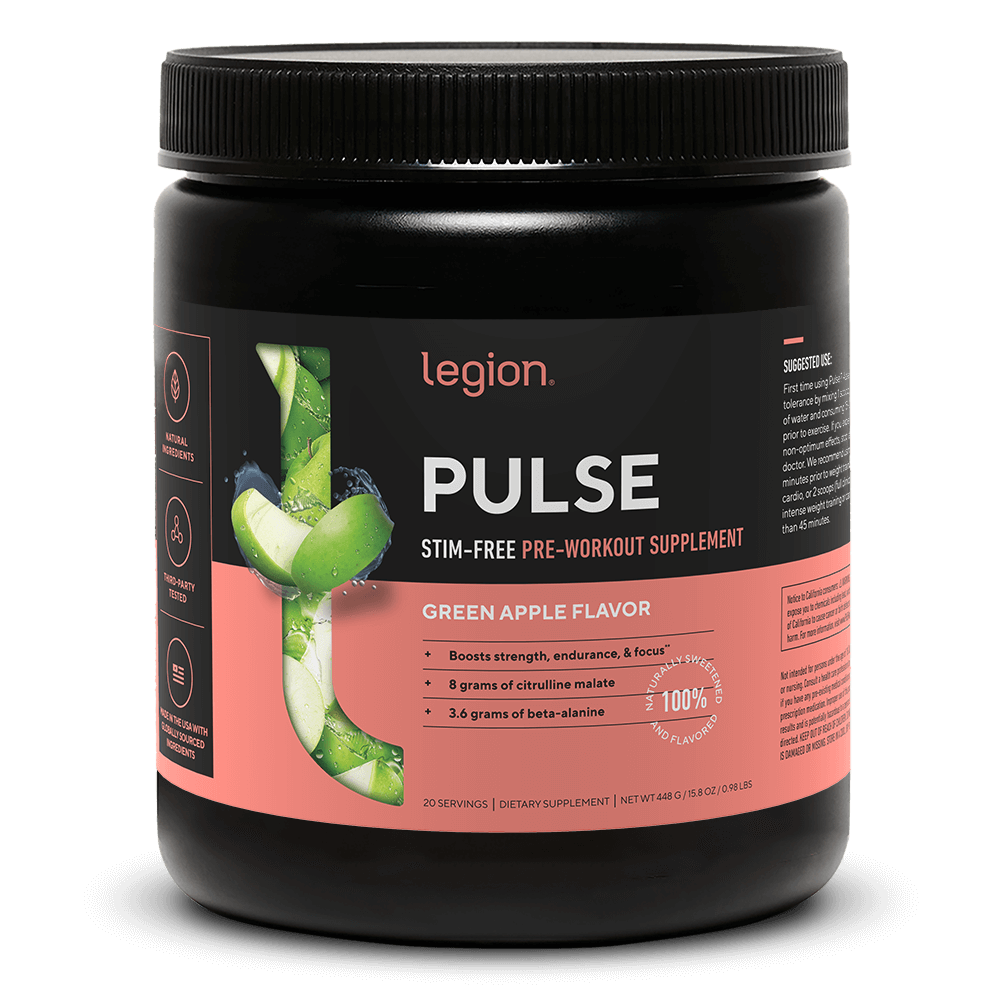
Pulse Stim-Free Pre-Workout Powder (Green Apple)
💧 for Hydration
71
Legion
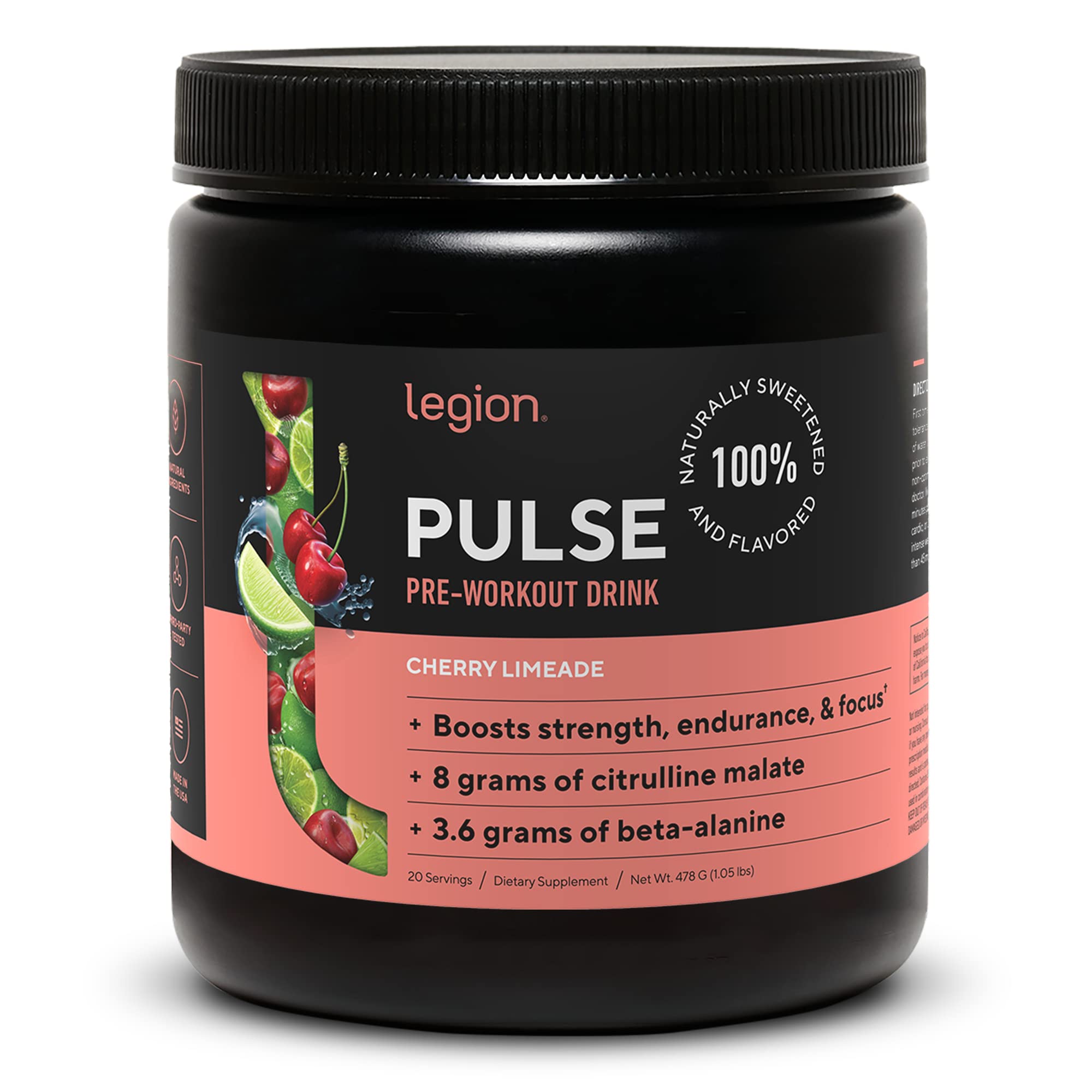
Pulse Pre Workout Powder (Cherry Limeade)
💪 for Muscle
70
Legion
Pulse Pre Workout Powder (Arctic Blast)
💧 for Hydration
69
Sources & Scoring
Nutrient data (RDA, UL, and safety thresholds) sourced from the NIH Office of Dietary Supplements and the National Academies Dietary Reference Intakes (DRI).
This is not medical advice. Consult a healthcare provider before making changes to your supplement routine.
The score analyzes what's on the label: ingredient doses vs. studied ranges, chemical forms, evidence levels, and known interactions. It does not verify label accuracy or test for contaminants — for that, look for third-party certifications like USP or NSF.