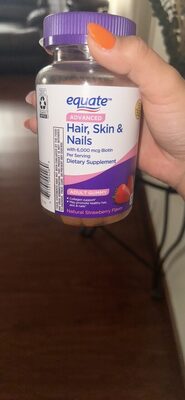
If your goal is healthier skin and hair, the doses here fall well short of what clinical research supports. You're getting just 200mg of **Hydrolyzed Collagen Peptides** per serving — studies showing skin benefits used 2,500–10,000mg daily, making this roughly 2–8% of the effective range. **Biotin** at 2,500mcg is within the supplemental range, but research only supports it for people with an actual deficiency.
The supporting cast — **Vitamin A** (450mcg), **Vitamin C** (50mg), **Vitamin E** (6mg), and **Zinc** (5mg as citrate) — are all dosed below clinical supplemental ranges. What this means for you: vitamin C at 50mg is only 20% of the minimum research dose for antioxidant support, and zinc at 5mg is a third of typical supplement levels.
The biggest gap is collagen. At 200mg, you'd need to take roughly 25 servings to reach the low end of the studied dose — the gummy format simply can't deliver enough of the key ingredient to match what the research used.
BioStacks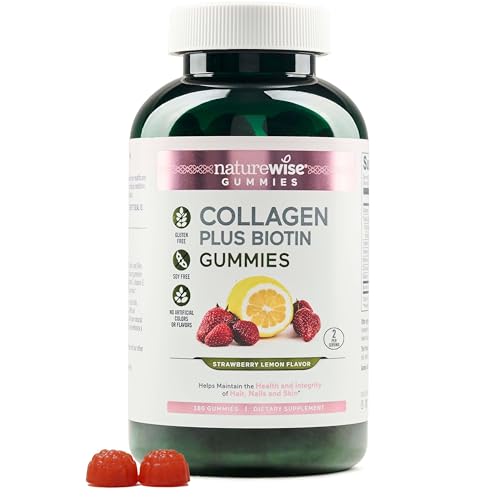
Best for
Ingredients (6)
Biotin
100%Dose
2500 mcg
Target
1000–5000 mcg
Form
—
Vitamin C
100%Dose
50 mg
Target
25–200 mg
Form
Budget
Vitamin E
12%Dose
6 mg
Target
50–268 mg
Form
Premium
Zinc
33%Dose
5 mg
Target
15–30 mg
Form
Standard
Vitamin A
64%Dose
450 mcg RAE
Target
700–1500 mcg
Form
Budget
Nutrition
Calories, macros & sodium.
- Calories15
- Sodium10 mg
- Total Carbohydrate4 g
- Total Sugars2 g
Other Ingredients
No other ingredients listed
How to Take It
Take it anytime
Take it with a meal containing fat — the vitamins A and E in it absorb poorly without one.
With a meal containing fat
Space it a couple of hours from Iron and Calcium
General guidance based on the ingredients, not a substitute for the label or your doctor.
Price Check
$30.00
Near the median of 292 immune supplements
Track this supplement in your stack
Get personalized insights, interactions, and coverage recommendations.
Get Started FreeSimilar Supplements
NatureWise
Collagen Plus Biotin Gummies (Strawberry Lemon)
🛡️ for Immune
56
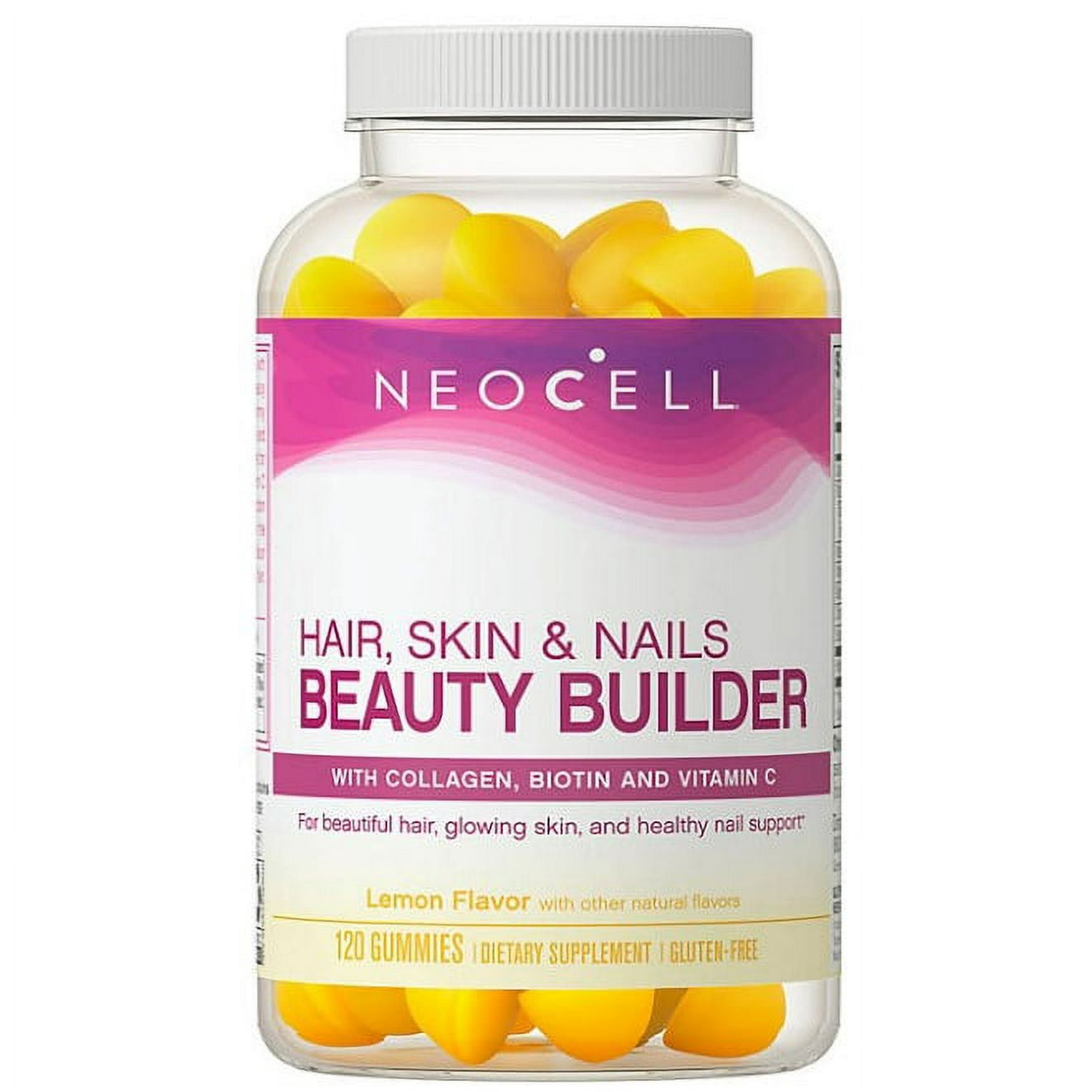
NeoCell
Hair, Skin & Nails Beauty Builder
💇 for Hair
43
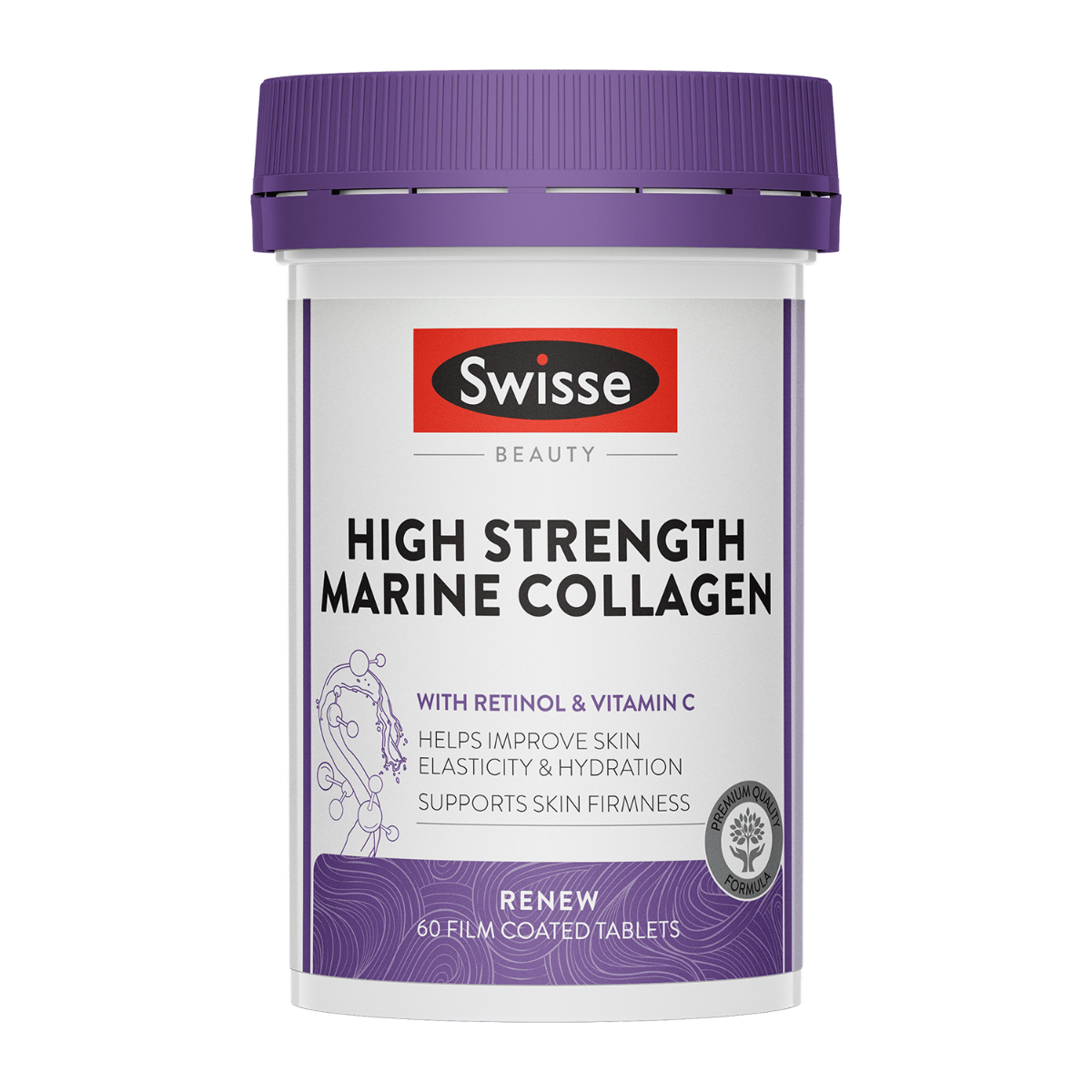
Swisse
High Strength Marine Collagen
✨ for Skin
61
Nature's Way
Alive! Hair, Skin & Nails Gummies Strawberry Flavored
💊 for General Health
48
Equate
Advanced Hair, Skin & Nails Gummies
💇 for Hair
44
Sources & Scoring
Nutrient data (RDA, UL, and safety thresholds) sourced from the NIH Office of Dietary Supplements and the National Academies Dietary Reference Intakes (DRI).
This is not medical advice. Consult a healthcare provider before making changes to your supplement routine.
The score analyzes what's on the label: ingredient doses vs. studied ranges, chemical forms, evidence levels, and known interactions. It does not verify label accuracy or test for contaminants — for that, look for third-party certifications like USP or NSF.