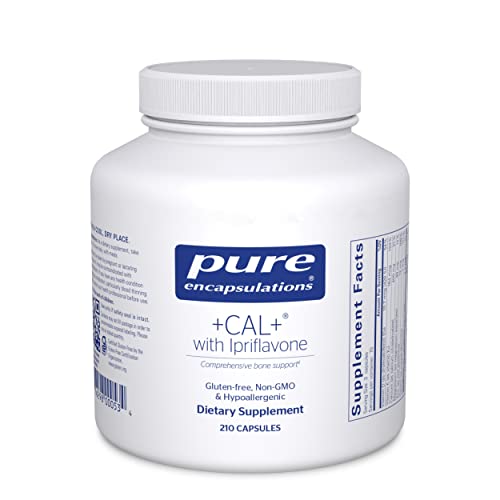
This is a dedicated bone-support formula built around the nutrients that matter most for skeletal health. You're getting 700 mg of **Calcium** from a blend that includes bisglycinate and citrate malate for better absorption, paired with 200 mcg of **Vitamin K2** as MK-7 — right at the top of the clinical range — to help direct that calcium into your bones rather than your arteries. **Vitamin D3** at 1,000 IU supports calcium absorption, though it sits at the minimum of the studied range.
The formula adds meaningful bone-support minerals: 3 mg of **Boron**, 5 mg of **Silicon**, and 300 mg of **Magnesium**. However, the magnesium is in oxide form, which your body absorbs poorly — you may only get a fraction of that 300 mg.
**Zinc** at just 2 mg is well below the 15–30 mg clinical range, so don't count on this product for your zinc needs. If you're already getting adequate vitamin D from sun or another supplement, the 1,000 IU here may be redundant — but if it's your only source, you may want to add more.
BioStacks
Best for
Ingredients (8)
Vitamin K2
100%Dose
200 mcg
Target
90–200 mcg
Form
Premium
Calcium
100%Dose
700 mg
Target
200–600 mg
Form
Premium
Vitamin D3
100%Dose
1000 IU
Target
1000–5000 IU
Form
Premium
Silicon
100%Dose
5 mg
Target
5–30 mg
Form
—
Boron
100%Dose
3 mg
Target
3–6 mg
Form
—
Other Ingredients (6)
MaltodextrinBinder
Spikes blood sugar faster than table sugar (glycemic index 85–105). Research links it to gut bacteria changes that may promote intestinal inflammation (Nickerson et al. 2015). Used as a cheap filler — adds nothing beneficial.
Silicon DioxideAnti-caking
Fine silica powder used to prevent clumping
Magnesium StearateLubricant
A salt of stearic acid used as a lubricant in tablet and capsule production
Microcrystalline CelluloseBinder
Plant-derived cellulose used as a binder and filler in supplements
StarchBinder
Carbohydrate polymer used as a binder, filler, and disintegrant in tablets and capsules
Microcrystalline CelluloseBinder
Plant-derived cellulose used as a binder and filler in supplements
How to Take It
Best taken in the evening
The Magnesium in it is what pulls this toward the evening. Take it with a meal containing fat — the vitamins D and K in it absorb poorly without one.
With a meal containing fat
Keep it away from high-oxalate foods like spinach
Space it a couple of hours from Iron
On the label
Directions: Take four (4) capsules daily, or as recommended by a healthcare practitioner. Scientific studies suggest calcium supplementation in divided doses with food in the morning and evening may yield the best results.
General guidance based on the ingredients, not a substitute for the label or your doctor.
Price Check
$18.00
Near the median of 144 vitamin K supplements
Track this supplement in your stack
Get personalized insights, interactions, and coverage recommendations.
Get Started FreeSimilar Supplements
Sources & Scoring
Nutrient data (RDA, UL, and safety thresholds) sourced from the NIH Office of Dietary Supplements and the National Academies Dietary Reference Intakes (DRI).
This is not medical advice. Consult a healthcare provider before making changes to your supplement routine.
The score analyzes what's on the label: ingredient doses vs. studied ranges, chemical forms, evidence levels, and known interactions. It does not verify label accuracy or test for contaminants — for that, look for third-party certifications like USP or NSF.