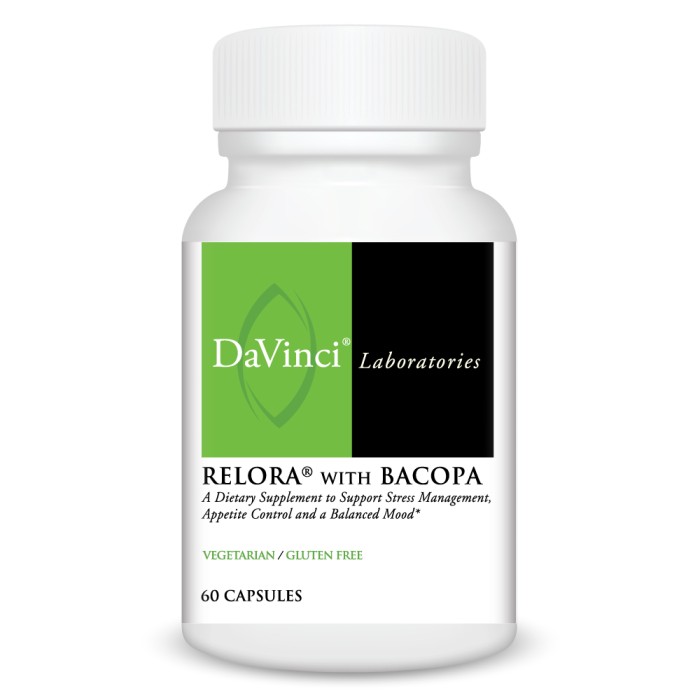
You're getting 500mg of **Relora** — a patented magnolia and phellodendron bark blend — right at the standard dose used in the two clinical trials that showed reduced self-reported stress and anxiety. At one capsule daily, you're hitting the clinical range without needing to split doses throughout the day, which is convenient for a stress-support product.
The formula also includes 100mg of **Oligonol**, a lychee-derived polyphenol extract. This sits at the minimum dose from a single small study on exercise-induced cortisol, but there are no human trials testing it for everyday psychological stress. Its role here is more speculative than proven.
The honest caveat: both ingredients carry limited clinical evidence. **Relora** has only two small, manufacturer-funded trials, and **Oligonol** has just one. The stress-reduction results are based on self-reported questionnaires rather than objective cortisol measurements, so the "cortisol balance" in the name oversells what the research actually showed.
BioStacks
Best for
Ingredients (2)
Relora
100%Dose
500 mg
Target
250–750 mg
Form
—
Oligonol
100%Dose
100 mg
Target
100–200 mg
Form
—
Other Ingredients (3)
Silicon DioxideAnti-caking
Fine silica powder used to prevent clumping
StarchBinder
Carbohydrate polymer used as a binder, filler, and disintegrant in tablets and capsules
Microcrystalline CelluloseBinder
Plant-derived cellulose used as a binder and filler in supplements
How to Take It
Take it anytime
Timing doesn't matter for this one — taking it consistently does.
With or without food
On the label
1 Daily
General guidance based on the ingredients, not a substitute for the label or your doctor.
Track this supplement in your stack
Get personalized insights, interactions, and coverage recommendations.
Get Started FreeSimilar Supplements
Sources & Scoring
Nutrient data (RDA, UL, and safety thresholds) sourced from the NIH Office of Dietary Supplements and the National Academies Dietary Reference Intakes (DRI).
This is not medical advice. Consult a healthcare provider before making changes to your supplement routine.
The score analyzes what's on the label: ingredient doses vs. studied ranges, chemical forms, evidence levels, and known interactions. It does not verify label accuracy or test for contaminants — for that, look for third-party certifications like USP or NSF.