If you’re focused on healthy aging and cellular energy, this delivers 300mg of **Nicotinamide Riboside** (NIAGEN) — above the 250mg minimum studied for raising NAD+ levels, the coenzyme your cells rely on for DNA repair and energy production. At 300mg, you're at the most common consumer dose, though clinical trials often used 1,000mg.
The secondary ingredients are where the formula falls short for you. **Trans-Resveratrol** is included at just 10mg — roughly 7% of the 150mg minimum used in clinical research. **Quercetin** comes in at 5mg, which is 1% of the 500mg studied dose. These amounts are too low to expect any measurable benefit from either compound, even with the fenugreek-based bioavailability enhancers included.
Your real value here is the NR — the resveratrol and quercetin are present in name only. If longevity polyphenols matter to you, those would need to come from a separate supplement at meaningful doses.
BioStacks
Life Extension
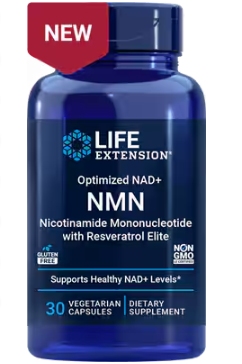
NAD+ Cell Regenerator and Resveratrol Elite, 30 Vegetarian Capsules
1 Capsule · 30 servings · $1.50/serving
Best for
Ingredients (4)
Nicotinamide Riboside
100%Dose
300 mg
Target
250–1000 mg
Form
Premium
Galactomannans
1%Dose
0.0 g
Target
3–15 g
Form
—
Galactomannans
0%Dose
0 g
Target
3–15 g
Form
—
Galactomannans
0%Dose
0 g
Target
3–15 g
Form
—
Other Ingredients (6)
Silicon DioxideAnti-caking
Fine silica powder used to prevent clumping
Vegetable StearateLubricant
A plant-derived salt of stearic acid (typically magnesium or calcium) used as a tablet lubricant
Microcrystalline CelluloseBinder
Plant-derived cellulose used as a binder and filler in supplements
Sunflower LecithinEmulsifier
Non-GMO, non-allergenic emulsifier derived from sunflower seeds
Sunflower Seed OilCarrier
Common vegetable oil from sunflower seeds used as a carrier in softgels for fat-soluble nutrients
Microcrystalline CelluloseBinder
Plant-derived cellulose used as a binder and filler in supplements
How to Take It
Take it anytime
Timing doesn't matter for this one — taking it consistently does.
With or without food
On the label
Take one (1) capsule daily, or as recommended by a healthcare practitioner.
General guidance based on the ingredients, not a substitute for the label or your doctor.
Price Check
$45.00
Pricier than 74% of 58 resveratrol supplements
Track this supplement in your stack
Get personalized insights, interactions, and coverage recommendations.
Get Started FreeSimilar Supplements
Sources & Scoring
Nutrient data (RDA, UL, and safety thresholds) sourced from the NIH Office of Dietary Supplements and the National Academies Dietary Reference Intakes (DRI).
This is not medical advice. Consult a healthcare provider before making changes to your supplement routine.
The score analyzes what's on the label: ingredient doses vs. studied ranges, chemical forms, evidence levels, and known interactions. It does not verify label accuracy or test for contaminants — for that, look for third-party certifications like USP or NSF.