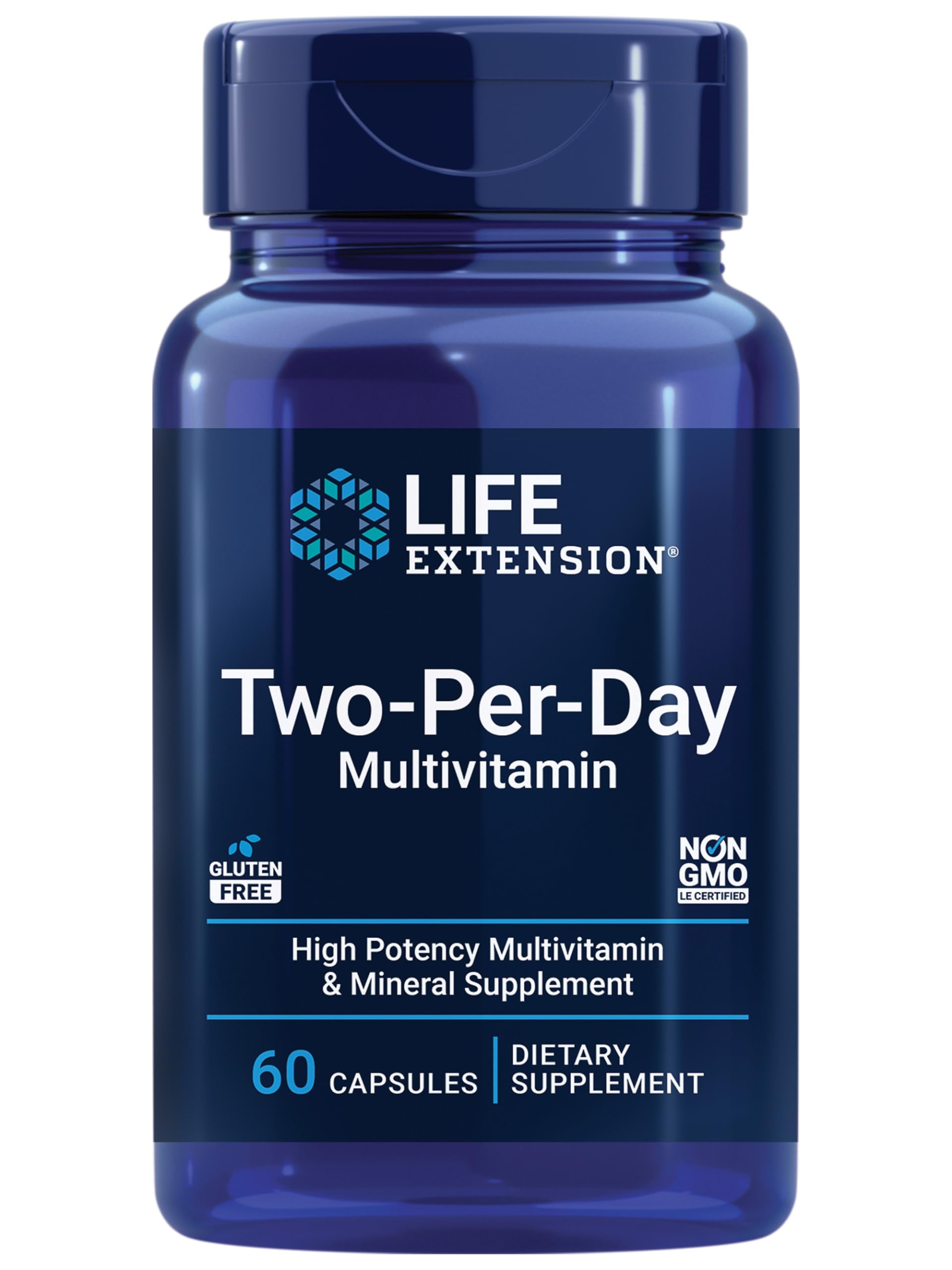
This multivitamin covers your general nutritional bases with several ingredients dosed at or above clinical thresholds. You're getting 2,000 IU **Vitamin D3** (cholecalciferol), 200mcg **Selenium** from three different forms, 25mg **Zinc** (citrate and methionine complex), and B vitamins with quality forms — **Folate** as methylfolate (680mcg), **B12** as methylcobalamin (300mcg), and a mix of active and standard forms for **B6** and **Riboflavin**.
Beyond your core vitamins and minerals, the formula includes 470mg **Vitamin C**, 5mg **Lutein** from marigold for eye support, 3mg **Boron**, and 200mcg **Chromium** — all at meaningful doses. **Alpha lipoic acid** (25mg) and **Quercetin** (5mg phytosome) are also present but well below their standalone clinical ranges, so don't count on those for targeted benefits.
**Magnesium** at 100mg as oxide is the weakest link — oxide is the poorest-absorbed form, and 100mg is the bare minimum of the clinical range. If you have specific magnesium needs, you'll want a separate supplement.
BioStacks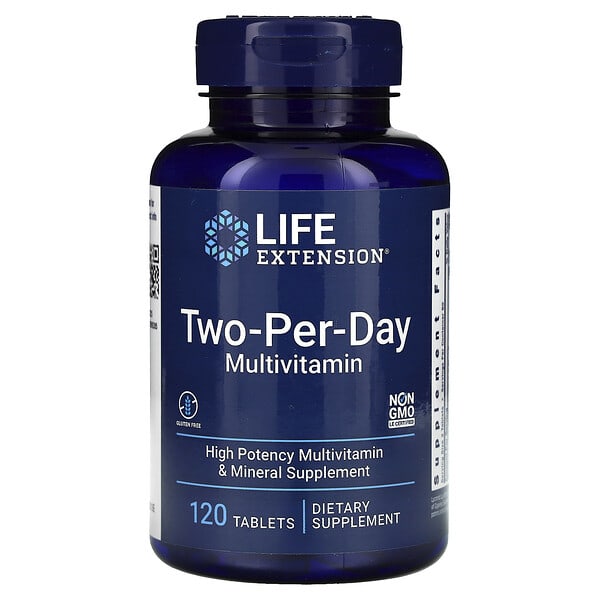
Best for
Ingredients (27)
Folate
100%Dose
680 mcg
Target
400–800 mcg
Form
Premium
Vitamin D3
100%Dose
2000 IU
Target
1000–5000 IU
Form
Premium
Marigold extract
100%Dose
11.1 mg
Target
10–20 mg
Form
—
Vitamin B12
100%Dose
300 mcg
Target
250–5000 mcg
Form
Premium
Pantothenic acid
100%Dose
50 mg
Target
50–500 mg
Form
Premium
Other Ingredients (7)
MaltodextrinBinder
Spikes blood sugar faster than table sugar (glycemic index 85–105). Research links it to gut bacteria changes that may promote intestinal inflammation (Nickerson et al. 2015). Used as a cheap filler — adds nothing beneficial.
Silicon DioxideAnti-caking
Fine silica powder used to prevent clumping
Vegetable StearateLubricant
A plant-derived salt of stearic acid (typically magnesium or calcium) used as a tablet lubricant
Dicalcium PhosphateBinder
Calcium and phosphorus compound used as binder
StarchBinder
Carbohydrate polymer used as a binder, filler, and disintegrant in tablets and capsules
Microcrystalline CelluloseBinder
Plant-derived cellulose used as a binder and filler in supplements
Microcrystalline CelluloseBinder
Plant-derived cellulose used as a binder and filler in supplements
How to Take It
Best taken in the evening
Used before bed for sleep. Take it with a meal containing fat — the vitamins A, D and E in it absorb poorly without one.
With a meal containing fat
Space it a couple of hours from Iron and Calcium
General guidance based on the ingredients, not a substitute for the label or your doctor.
Price Check
$19.13
Cheaper than 68% of 798 multivitamins
Track this supplement in your stack
Get personalized insights, interactions, and coverage recommendations.
Get Started FreeSimilar Supplements
Life Extension
Two-Per-Day Multivitamin, 120 Tablets
🛡️ for Immune
72
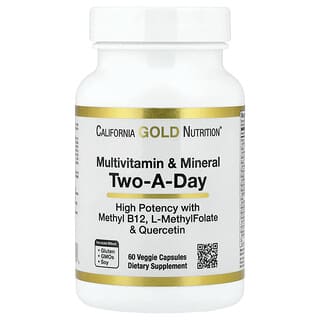
California Gold Nutrition
Daily Multivitamins
🛡️ for Immune
86
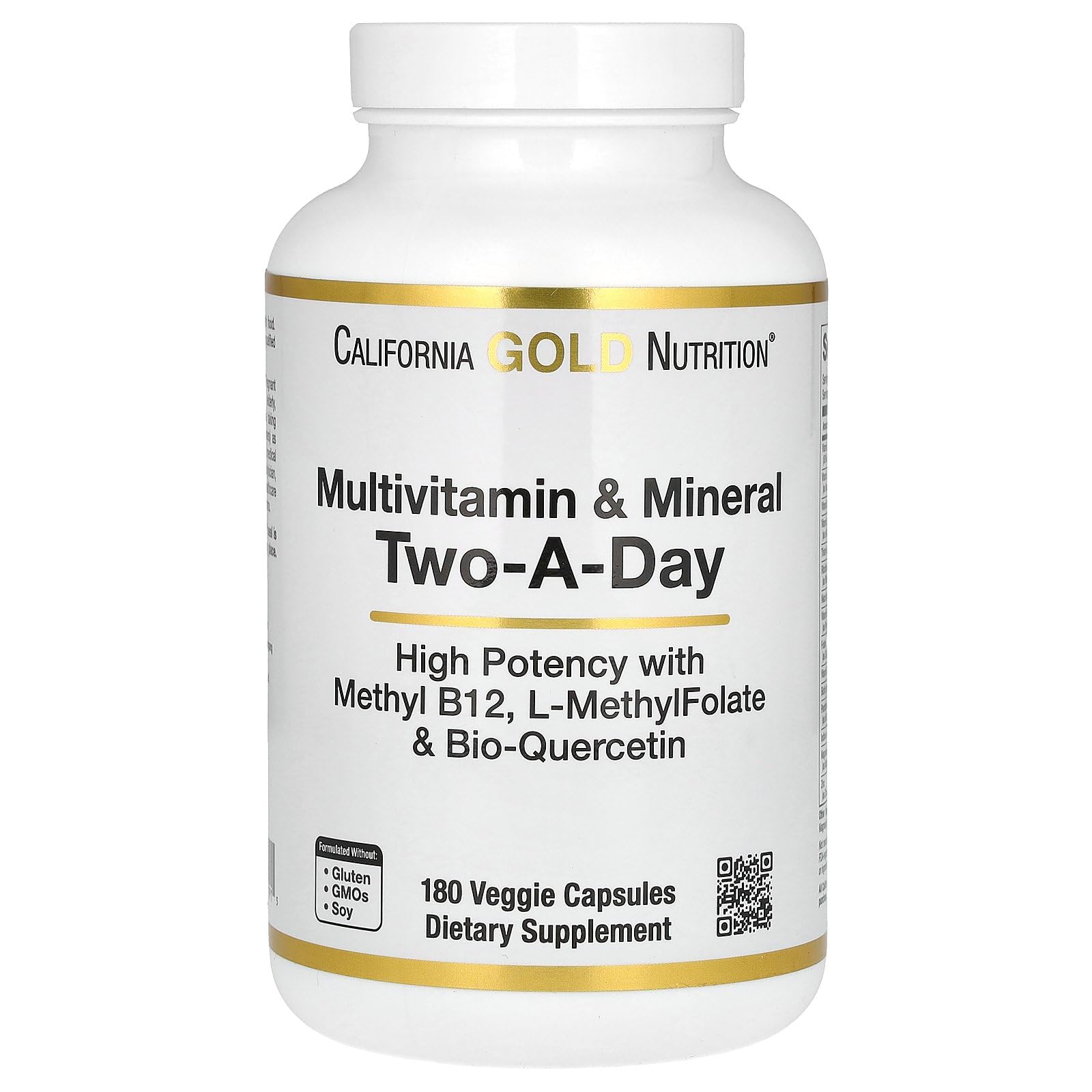
California Gold Nutrition
Multivitamin and Mineral Two-A-Day
🛡️ for Immune
73
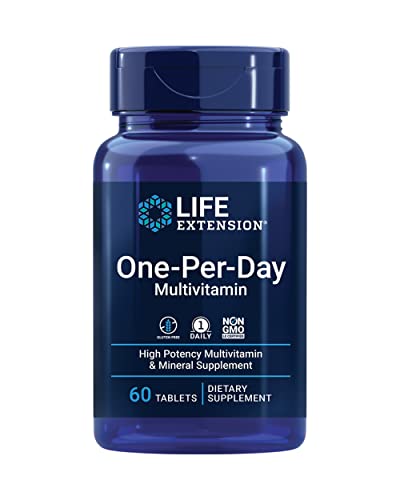
Life Extension
One-Per-Day Tablets
🛡️ for Immune
76
Life Extension
Two-Per-Day Multivitamin Capsules
🛡️ for Immune
76
Sources & Scoring
Nutrient data (RDA, UL, and safety thresholds) sourced from the NIH Office of Dietary Supplements and the National Academies Dietary Reference Intakes (DRI).
This is not medical advice. Consult a healthcare provider before making changes to your supplement routine.
The score analyzes what's on the label: ingredient doses vs. studied ranges, chemical forms, evidence levels, and known interactions. It does not verify label accuracy or test for contaminants — for that, look for third-party certifications like USP or NSF.