You're getting 1,300mg (1.3g) of **Collagen** per serving from a multi-source blend — bovine, chicken sternum, and eggshell membrane covering Types I, II, III, V, and X. That's a wide type range, but the total dose falls well short of the 2.5–10g used in skin studies and the 10–15g used in joint research. At roughly 26% of the minimum clinical dose, you'd need about four servings daily to reach effective territory.
**Vitamin C** at 180mg works as a cofactor for collagen synthesis — your body can't properly cross-link collagen fibers without it. It's dosed below the typical supplement range (250–2,000mg) but enough to support the collagen in this formula. **Biotin** at 2,500mcg is within the common supplement range, though clinical evidence for hair and nail benefits is limited to people with actual deficiency.
The proprietary blend is the main concern here — you don't know how much of the 1,300mg comes from bovine versus eggshell membrane versus chicken sternum, and the total collagen dose is a fraction of what clinical research uses. If skin or joint support is your goal, you'd likely need to supplement additional collagen on top of this.
BioStacks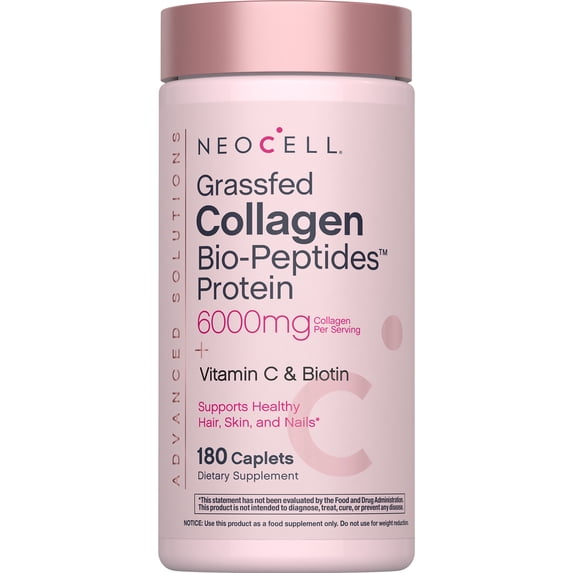
Live Conscious
Beyond Collagen, with Biotin & Vitamin C, 90 Capsules
3 Capsules · 30 servings · $1.00/serving
Best for
Ingredients (3)
Biotin
100%Dose
2500 mcg
Target
1000–5000 mcg
Form
—
Proprietary Collagen Blend
100%Dose
1.3 g
Target
1–3 g
Form
Standard
Vitamin C
100%Dose
180 mg
Target
40–200 mg
Form
Budget
Nutrition
Calories, macros & sodium.
- Sodium5 mg
Other Ingredients
No other ingredients listed
How to Take It
Take it anytime
Timing doesn't matter — daily consistency over weeks is what moves outcomes.
With or without food
General guidance based on the ingredients, not a substitute for the label or your doctor.
Price Check
$29.99
Pricier than 80% of 375 vitamin C supplements
Track this supplement in your stack
Get personalized insights, interactions, and coverage recommendations.
Get Started FreeSimilar Supplements
NeoCell
Grassfed Collagen Bio-Peptides Protein 6000 mg
✨ for Skin
69
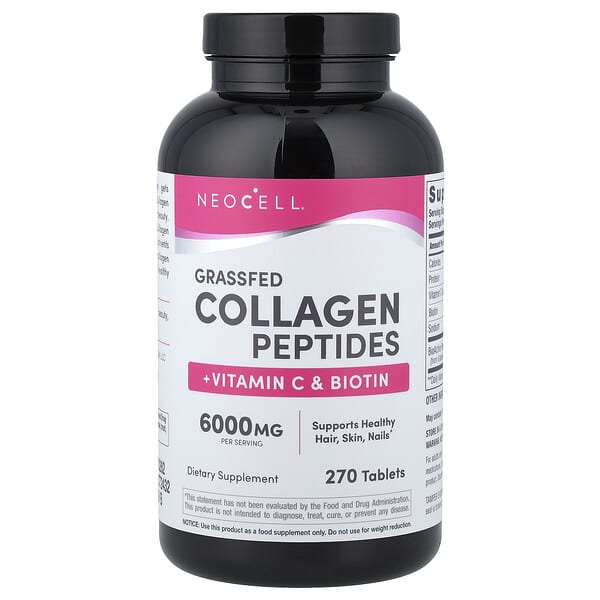
NeoCell
Grassfed Collagen Peptides + Vitamin C & Biotin, 270 Tablets
✨ for Skin
68
NeoCell
Super Collagen + C with Biotin
✨ for Skin
60
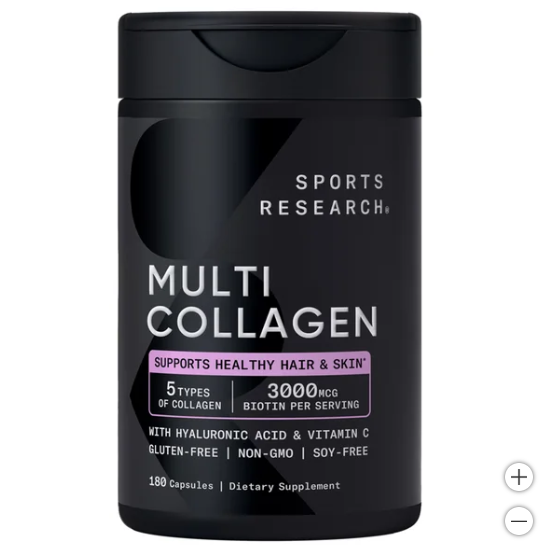
Sports Research
Multi Collagen with Biotin
✨ for Skin
70
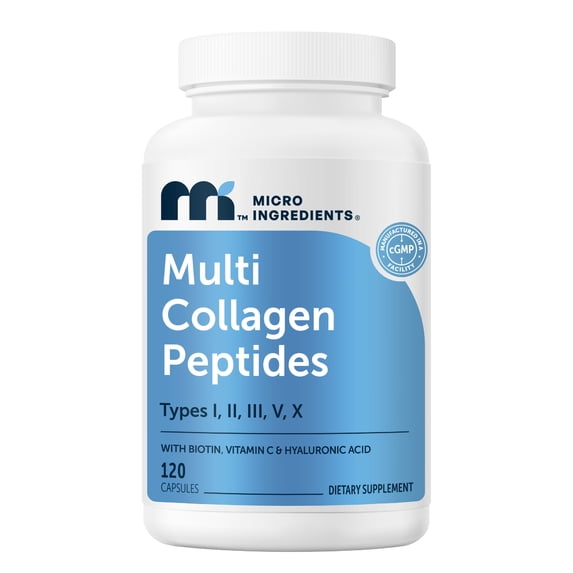
Micro Ingredients
Multi Collagen Peptides Capsules
✨ for Skin
64
Sources & Scoring
Nutrient data (RDA, UL, and safety thresholds) sourced from the NIH Office of Dietary Supplements and the National Academies Dietary Reference Intakes (DRI).
This is not medical advice. Consult a healthcare provider before making changes to your supplement routine.
The score analyzes what's on the label: ingredient doses vs. studied ranges, chemical forms, evidence levels, and known interactions. It does not verify label accuracy or test for contaminants — for that, look for third-party certifications like USP or NSF.