If you're looking for broad mineral and antioxidant support, **Moringa** is a nutrient-dense plant traditionally valued for those benefits, but clinical evidence for specific health outcomes remains preliminary. Each capsule delivers 600mg of organic moringa leaf powder — a modest dose that sits below the 1,500–3,000mg range used in the small human studies that do exist, most of which looked at blood sugar and cholesterol markers.
The capsule form keeps things simple — one ingredient, no fillers beyond the cellulose capsule. What this means for you: moringa leaf contains naturally occurring iron, calcium, and vitamins A and C, though the amounts in 600mg of powder are relatively small compared to dedicated supplements of those nutrients.
The honest limitation is the evidence base. Unlike well-studied nutrients such as vitamin D or magnesium, moringa's clinical data comes mostly from small, short-term trials. If you're looking for proven outcomes at researched doses, you'd need 2–5 capsules daily to approach the levels studied — and even then, the evidence behind those studies is modest.
BioStacks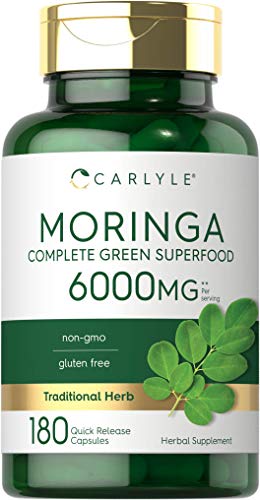
Every active here is dosed below the amount studied to work. See how each one compares in the breakdown below.
Ingredients (1)
Organic Moringa Leaf Powder
25%Dose
600 mg
Target
2400–10000 mg
Form
—
Other Ingredients (1)
Microcrystalline CelluloseBinder
Plant-derived cellulose used as a binder and filler in supplements
How to Take It
Take it anytime
Timing doesn't matter for this one — taking it consistently does.
With or without food
On the label
Take 1 capsule per day with or without a meal or as directed by your qualified healthcare provider.
General guidance based on the ingredients, not a substitute for the label or your doctor.
Price Check
$9.99
Cheaper than 90% of 17 moringa leaf supplements
Track this supplement in your stack
Get personalized insights, interactions, and coverage recommendations.
Get Started FreeSimilar Supplements
Bio Nutrition
Moringa 5,000 mg Super Food
💊 for General Health
45
Carlyle
Moringa Oleifera Complete Green Superfood
💊 for General Health
37
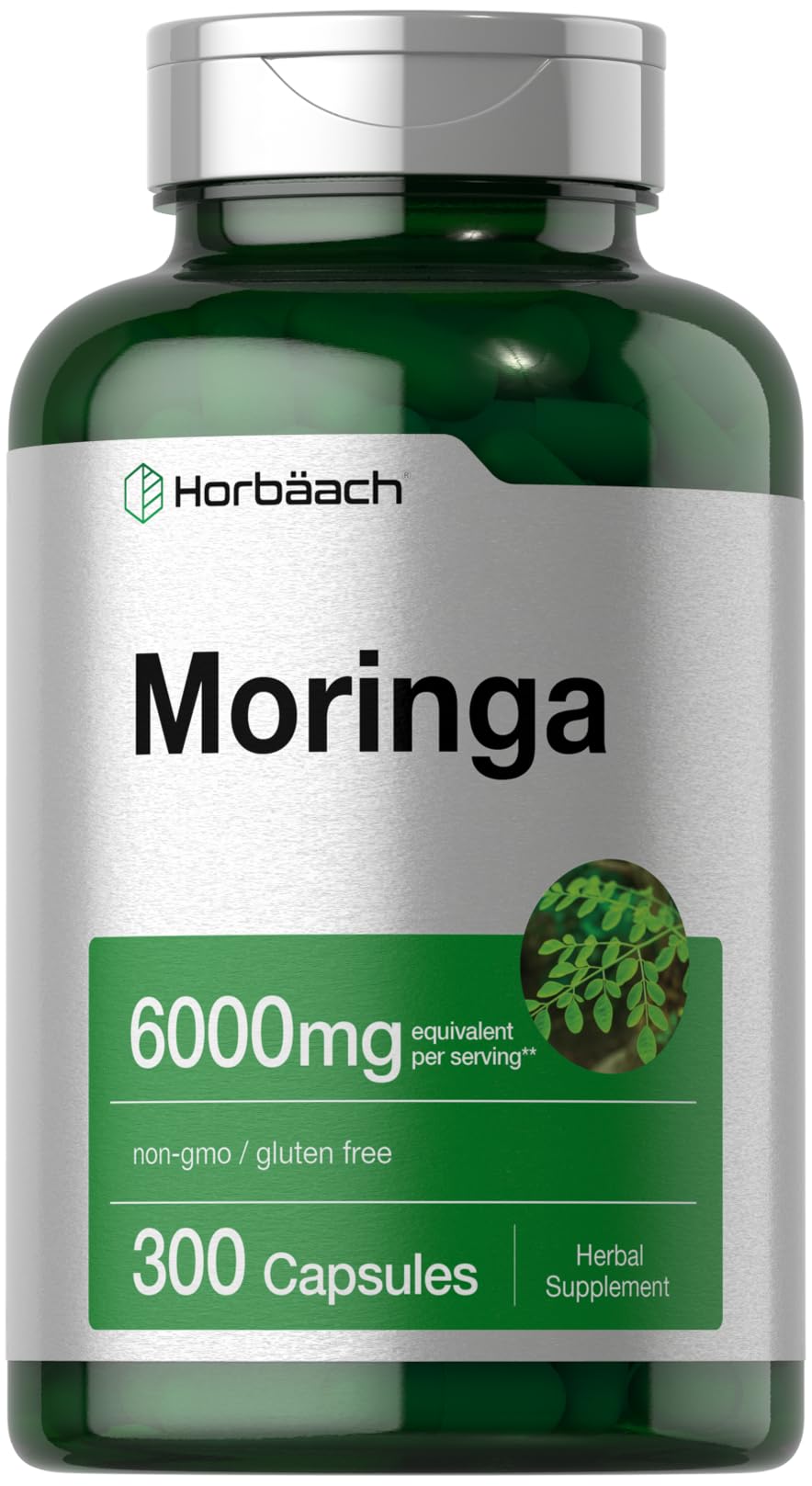
Horbäach
Moringa Oleifera 6000 mg
💊 for General Health
37
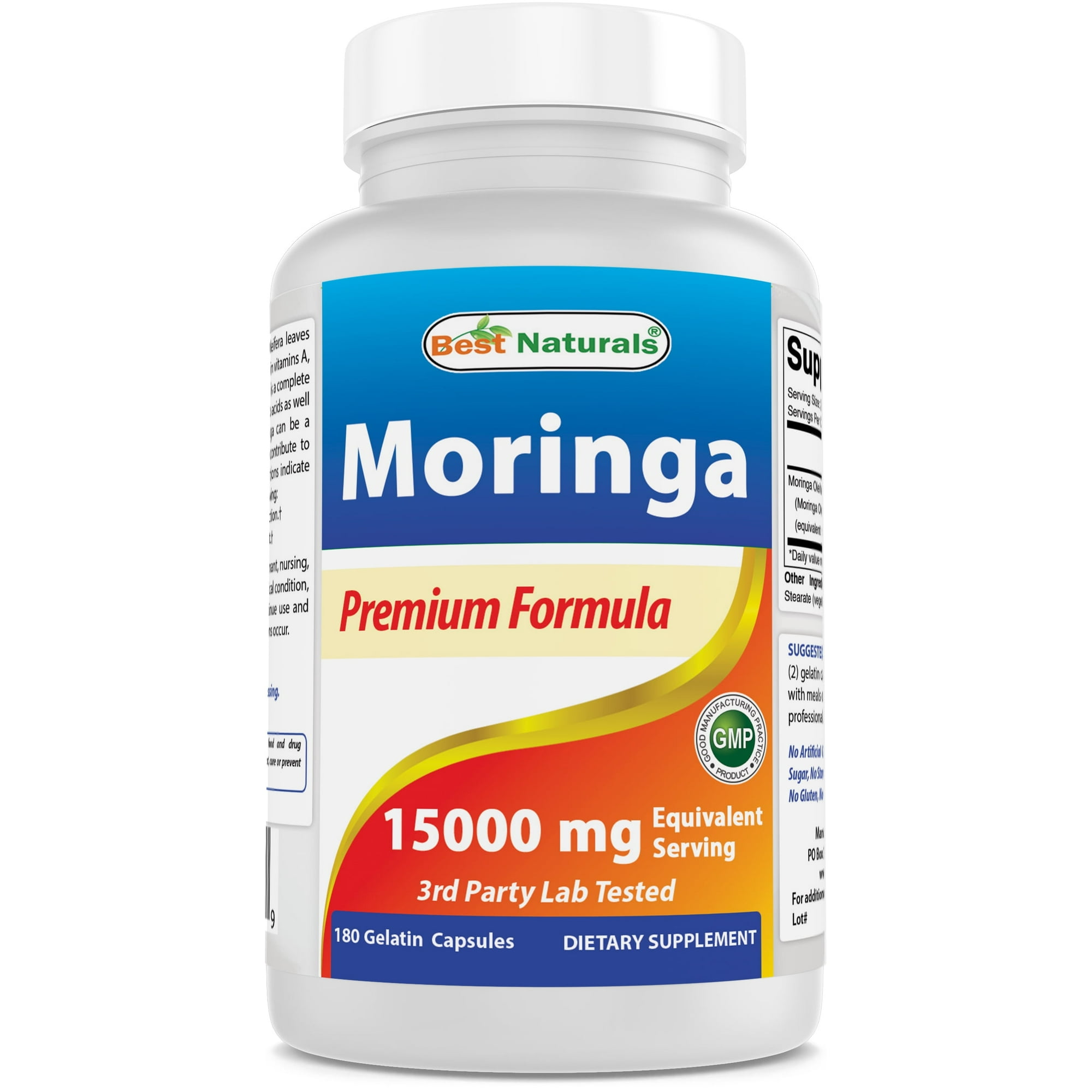
Best Naturals
Moringa Premium Formula 15000 mg
💊 for General Health
16
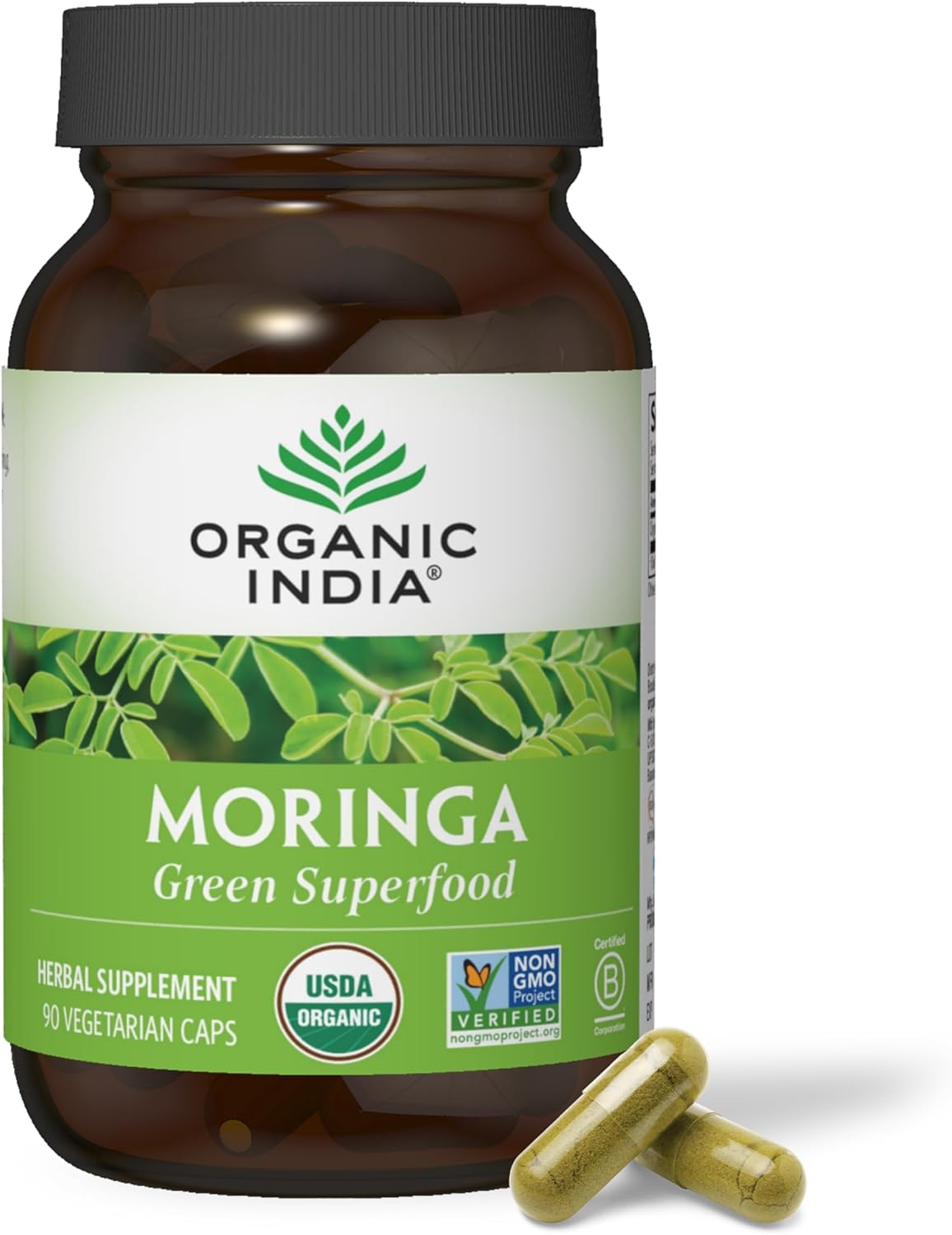
Organic India
Moringa Green Superfood
💊 for General Health
14
Sources & Scoring
Nutrient data (RDA, UL, and safety thresholds) sourced from the NIH Office of Dietary Supplements and the National Academies Dietary Reference Intakes (DRI).
This is not medical advice. Consult a healthcare provider before making changes to your supplement routine.
The score analyzes what's on the label: ingredient doses vs. studied ranges, chemical forms, evidence levels, and known interactions. It does not verify label accuracy or test for contaminants — for that, look for third-party certifications like USP or NSF.