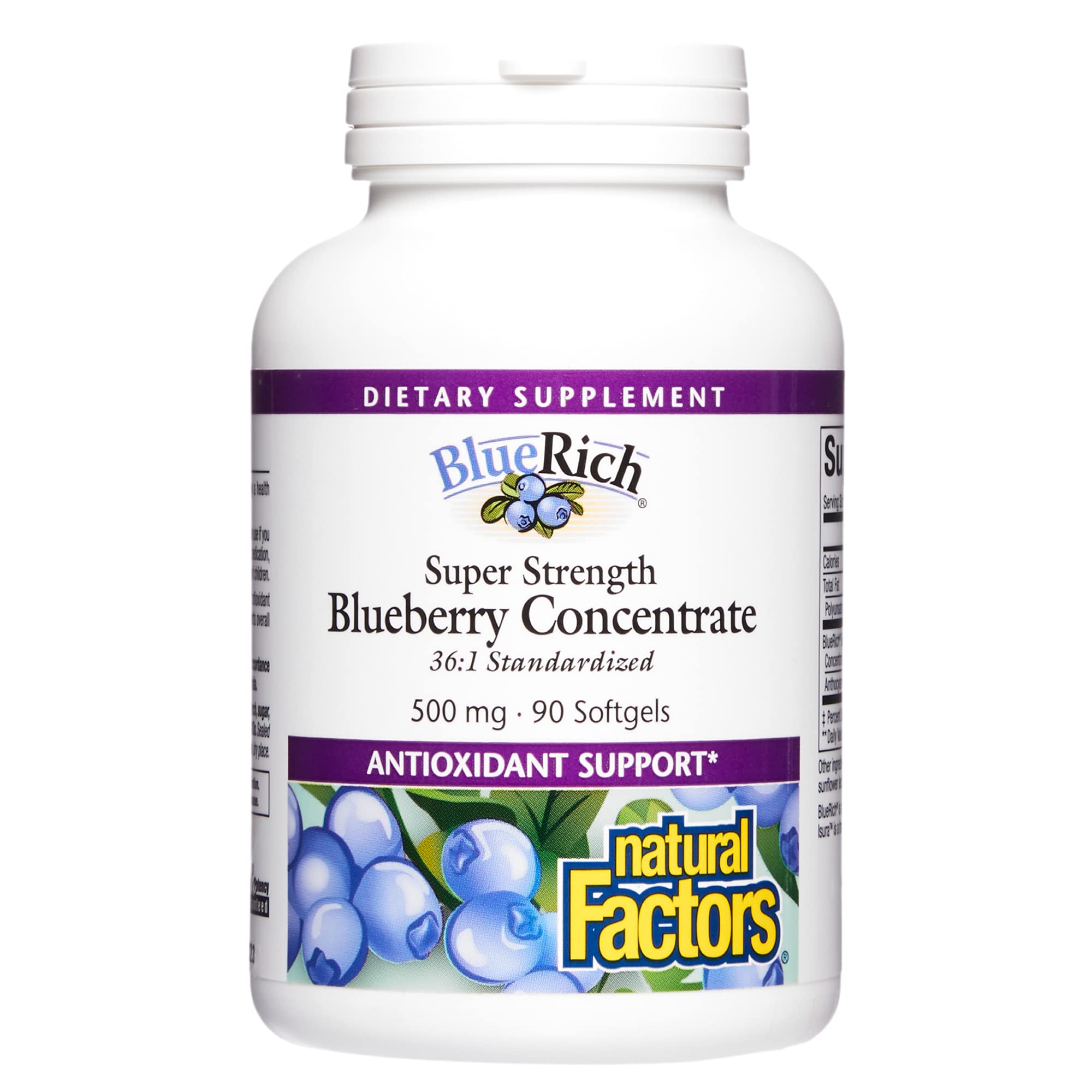
A 36:1 **Blueberry Concentrate** delivering 500 mg per softgel — right at the upper end of the clinical range used in extract studies (200–500 mg/day). At this dose, you're getting meaningful support for memory and cognitive function, the area with the strongest evidence behind blueberry — a meta-analysis of 9 RCTs found significant improvements in episodic memory, particularly in older adults.
The softgel format pairs the concentrate with organic flaxseed oil, which helps your body absorb the fat-soluble polyphenols. Beyond brain health, blueberry anthocyanins have solid clinical backing for improving blood vessel function, giving this product relevance for cardiovascular support as well.
The one thing to know: each softgel delivers only 12.5 mg of anthocyanins, which is well below the 320 mg threshold where anti-inflammatory effects have been demonstrated. If your goal is cognitive or heart support, you're well-covered at one to two softgels daily. If you're after anti-inflammatory benefits specifically, you'd need a much higher anthocyanin dose than this product provides.
BioStacks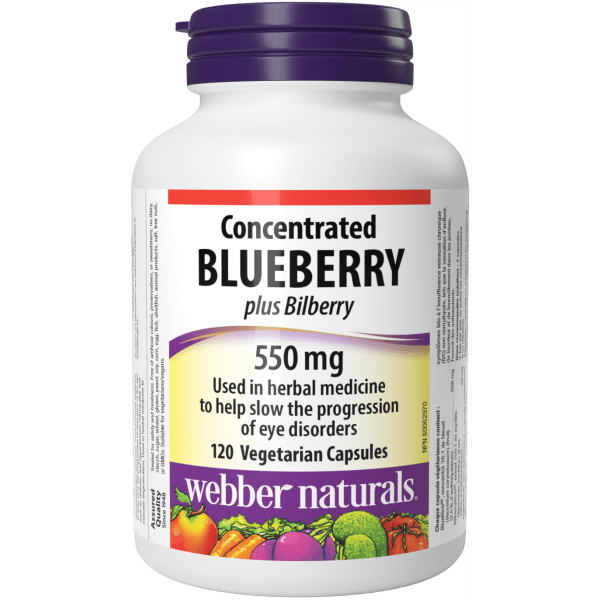
Natural Factors
BlueRich Super Strength Blueberry Concentrate 500 mg
Capsule · 1 Softgel × 3/day · 90 servings · $0.17/serving
Best for
Ingredients (1)
Anthocyanins
47%Dose/day
37.5 mg
Target
80–500 mg
Form
—
Nutrition
Calories, macros & sodium.
- Calories10 Calorie(s)
- Total Fat1 Gram(s)
- Polyunsaturated Fat0.5 Gram(s)
Other Ingredients (4)
Flaxseed OilCarrier Oil
Flaxseed (linseed) oil, an ALA omega-3 source used as a softgel carrier oil
SoftgelCapsule
One-piece gelatin capsule shell with a plasticizer (typically glycerin), used to encapsulate liquid or oil-based supplements
Sunflower LecithinEmulsifier
Non-GMO, non-allergenic emulsifier derived from sunflower seeds
BeeswaxCoating
Natural wax produced by honeybees, used as a coating and binding agent in softgels and tablets
How to Take It
Take it anytime
Timing doesn't matter for this one — taking it consistently does.
With or without food
Split into 3 doses across the day
On the label
Suggested Usage: 1 softgel 1-3 times per day or as directed by a health professional.
General guidance based on the ingredients, not a substitute for the label or your doctor.
Price Check
$15.37
Cheaper than 70% of 13 blueberry supplements
Track this supplement in your stack
Get personalized insights, interactions, and coverage recommendations.
Get Started FreeSimilar Supplements
Webber Naturals
Concentrated Blueberry plus Bilberry
🧠 for Brain
82
Natural Factors
BlueRich Super Strength 36:1 Standardized Concentrate Made With Organic Blueberries
🧠 for Brain
74
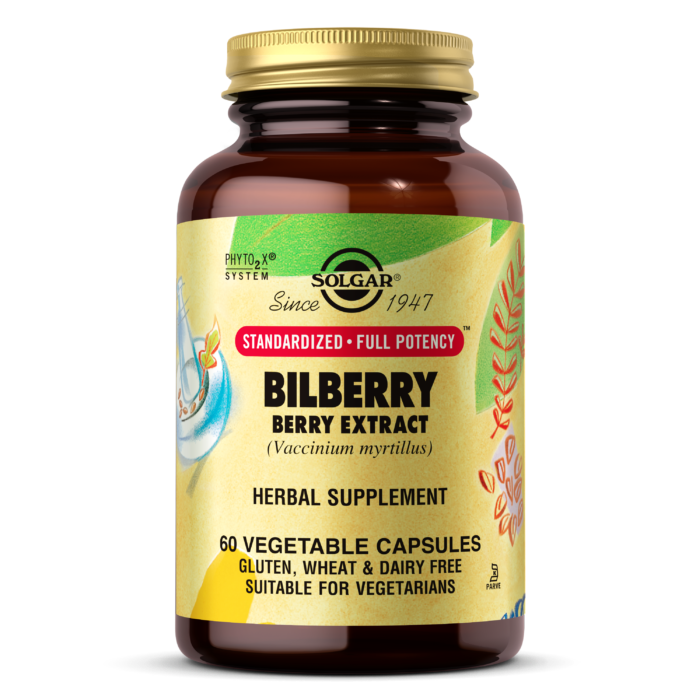
Solgar
SFP Bilberry Berry Extract Vegetable Capsules
🧠 for Brain
72
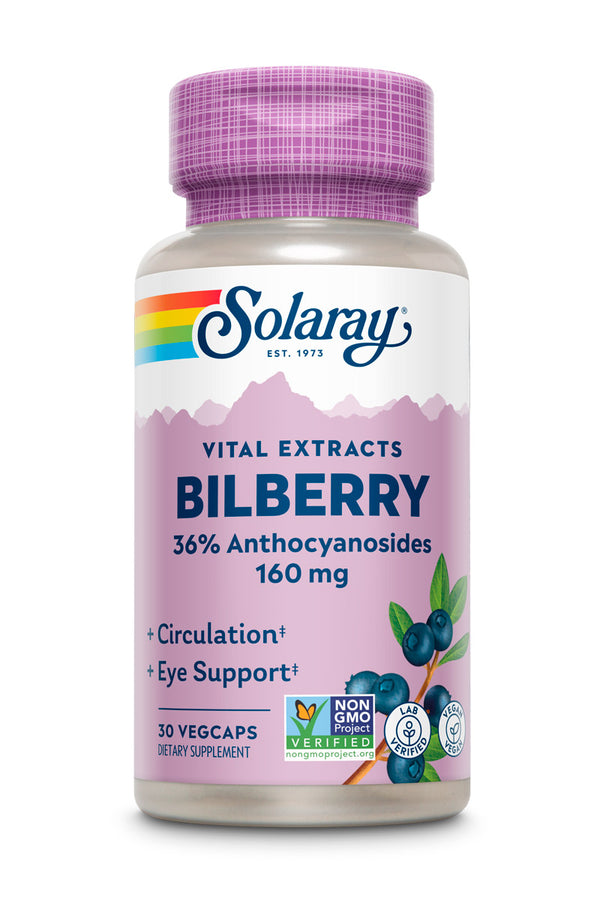
Solaray
Bilberry Berry Extract 160 mg
🧠 for Brain
66
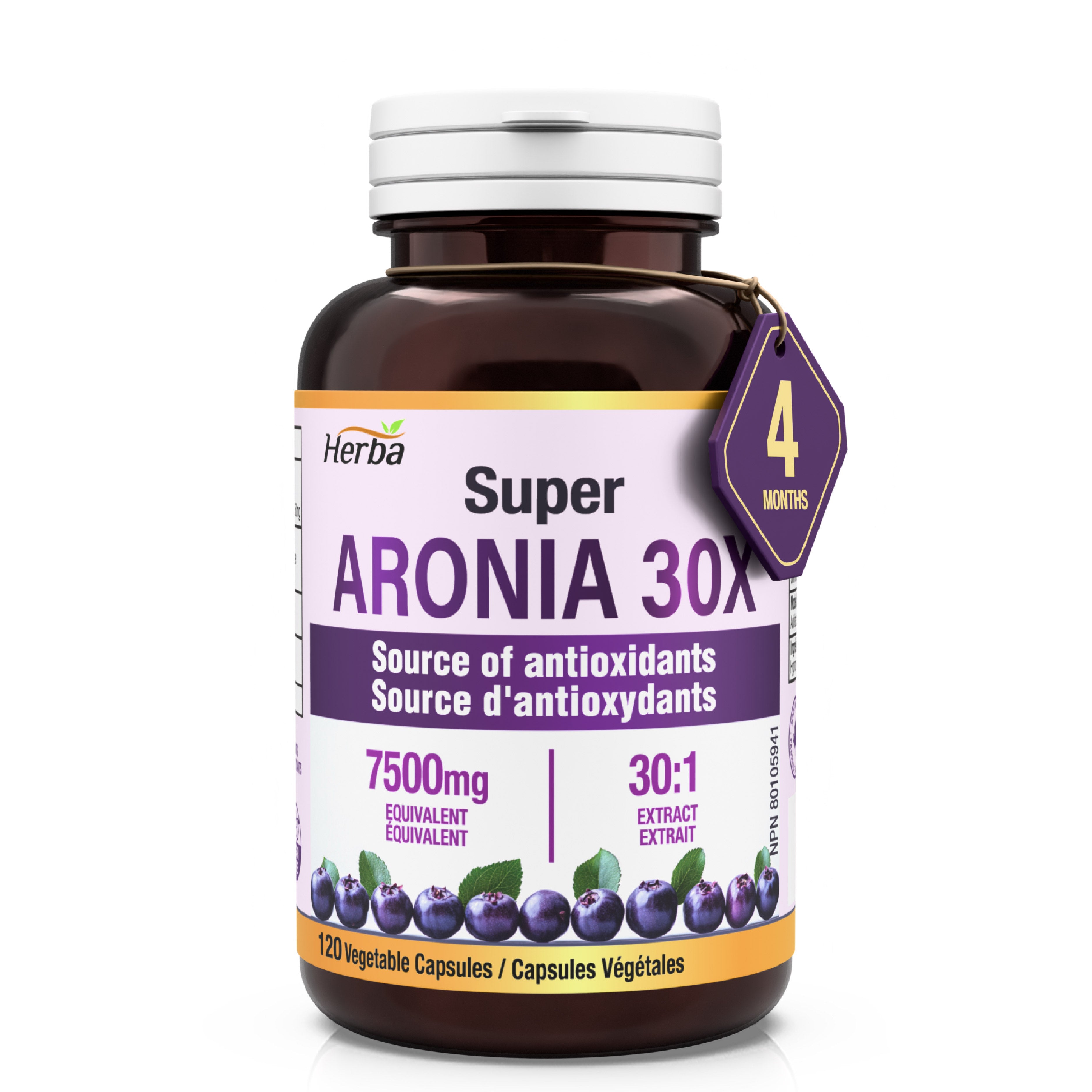
Herba
Aronia Berry Extract 250mg, 120 Capsules
85
Sources & Scoring
Nutrient data (RDA, UL, and safety thresholds) sourced from the NIH Office of Dietary Supplements and the National Academies Dietary Reference Intakes (DRI).
This is not medical advice. Consult a healthcare provider before making changes to your supplement routine.
The score analyzes what's on the label: ingredient doses vs. studied ranges, chemical forms, evidence levels, and known interactions. It does not verify label accuracy or test for contaminants — for that, look for third-party certifications like USP or NSF.