You're getting 300mg of **Magnesium** per scoop — solidly within the 100–400mg clinical range studied for muscle relaxation, stress support, and sleep quality. The citrate form absorbs well and dissolves in water, which makes it easier to take than swallowing multiple capsules. One serving a day puts you at 75% of the top of the studied range, so you're covered without needing to split doses.
The drink mix format has a practical upside: you absorb the full dose at once in solution rather than waiting for a tablet to break down. Citrate does have a mild laxative effect at higher doses, which can actually be a benefit if regularity is a goal — but worth knowing if you're sensitive.
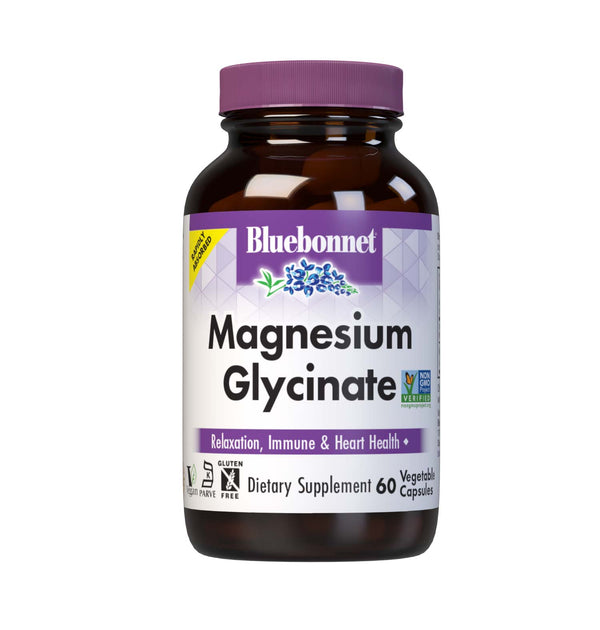
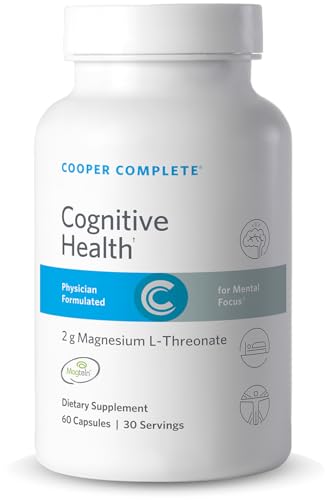
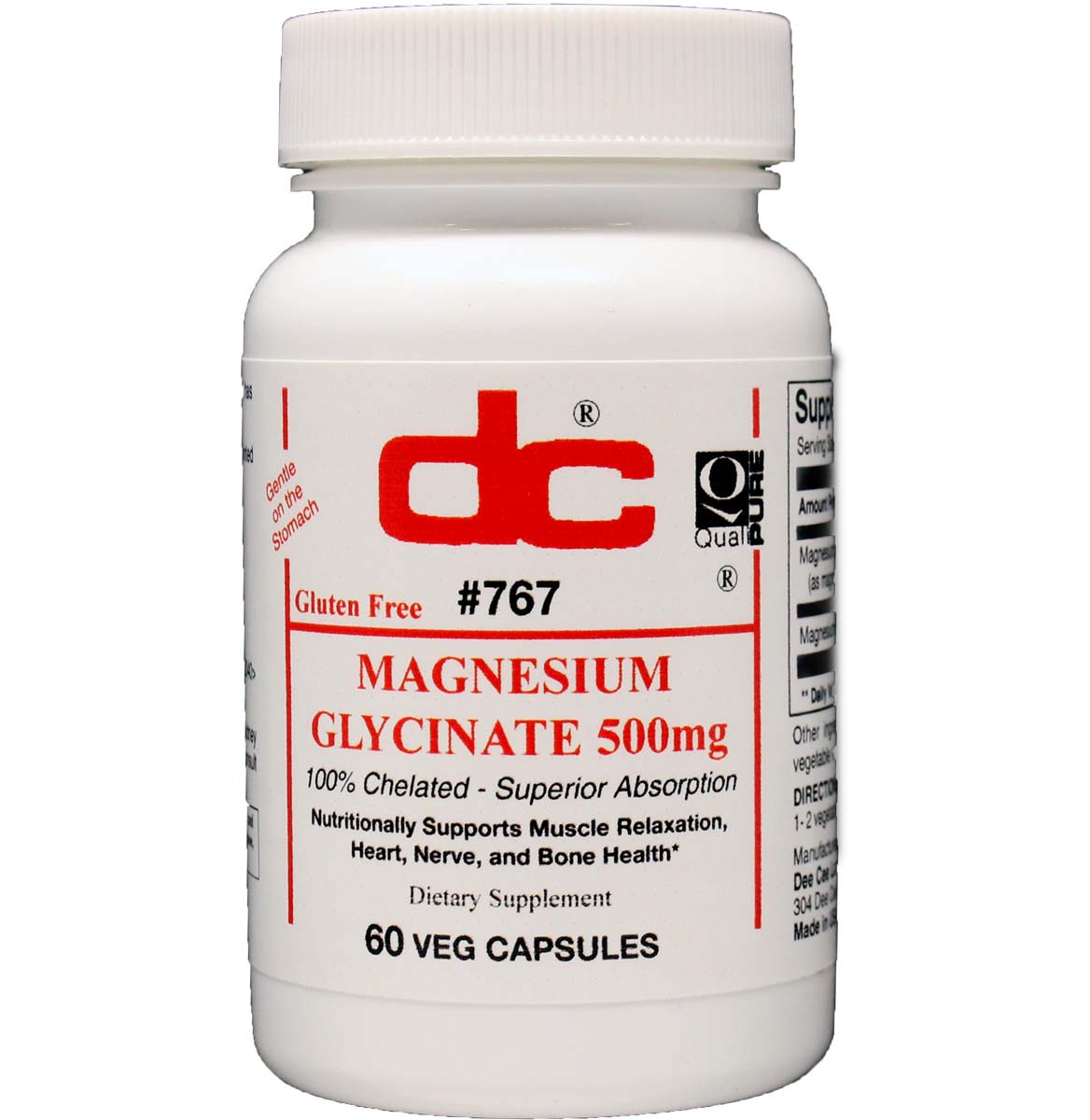
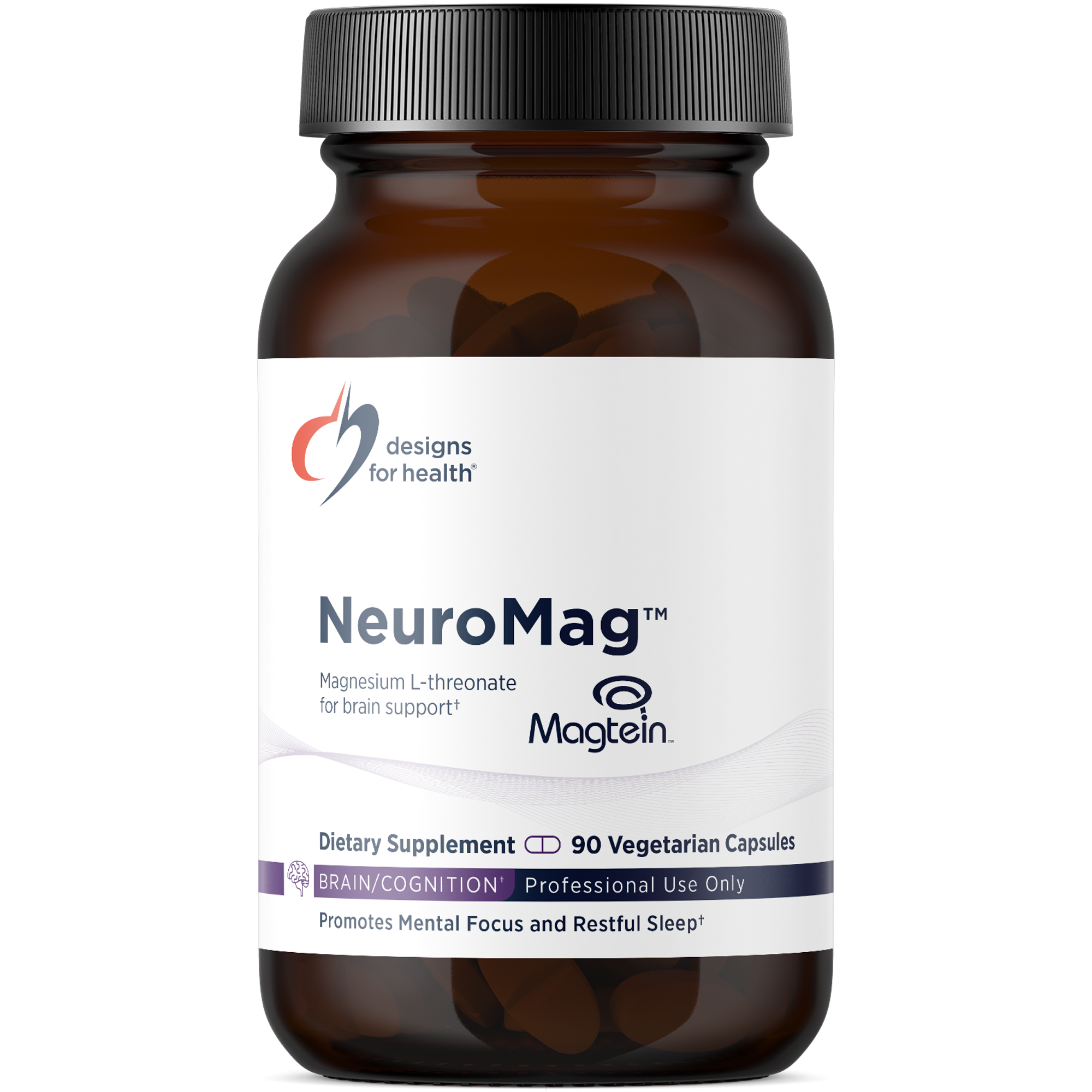
At 300mg you're still 50mg below the tolerable upper limit for supplemental magnesium (350mg), so there's a small margin to increase if needed. If you're specifically targeting sleep or calm, a glycinate or threonate form would be more targeted for those goals since citrate's main advantage is general absorption and GI motility.
BioStacks
Natural Factors Stress-Relax
Magnesium Citrate Berry Drink Mix
Powder · 3.3 Gram · 75 servings · $0.28/serving
Best for
Ingredients (2)
Magnesium
100%Dose
300 mg
Target
100–400 mg
Form
Standard
Stevia leaf powder
10 mgNot in our database
Other Ingredients (1)
Natural FlavorsFlavor
Broad regulatory category of flavor constituents derived from natural sources. Composition is proprietary and not disclosed — 'Natural Flavors' can include several hundred different compounds depending on the target flavor profile, including hexane-extracted constituents and proprietary carrier solvents. 'Natural' is a regulatory definition (21 CFR §101.22), not a safety guarantee.
How to Take It
Best taken in the evening
Magnesium citrate pulls water into the bowel — mildly laxative at higher doses. Evening suits that; split the dose or switch to glycinate if it's too much.
With or without food
Space it a couple of hours from Iron and Calcium
On the label
Suggested usage: Add 1 scoop (3.3 g) of powder to 1/2 cup of warm or hot water and stir until dissolved. Cold water may be added after the mixture fizzes if desired. Take once per day or as directed by a health professional.
General guidance based on the ingredients, not a substitute for the label or your doctor.
Price Check
$20.97
Near the median of 579 magnesium supplements
Track this supplement in your stack
Get personalized insights, interactions, and coverage recommendations.
Get Started FreeSimilar Supplements
Sources & Scoring
Nutrient data (RDA, UL, and safety thresholds) sourced from the NIH Office of Dietary Supplements and the National Academies Dietary Reference Intakes (DRI).
This is not medical advice. Consult a healthcare provider before making changes to your supplement routine.
The score analyzes what's on the label: ingredient doses vs. studied ranges, chemical forms, evidence levels, and known interactions. It does not verify label accuracy or test for contaminants — for that, look for third-party certifications like USP or NSF.