You're getting 300mg of **Magnesium** per scoop — right in the upper range of clinical supplemental doses (100–400mg) and well-positioned for stress reduction, sleep support, and muscle relaxation. The citrate form absorbs significantly better than oxide and dissolves easily in water, which makes this powder format particularly practical for hitting a solid dose without swallowing multiple capsules.
**Magnesium** deficiency affects an estimated half the population, and standard blood tests often miss it because serum levels don't reflect intracellular stores. At 300mg, you're close to the 350mg supplemental upper limit, so one scoop daily is the sweet spot — stacking this with other magnesium-containing supplements could push you over.
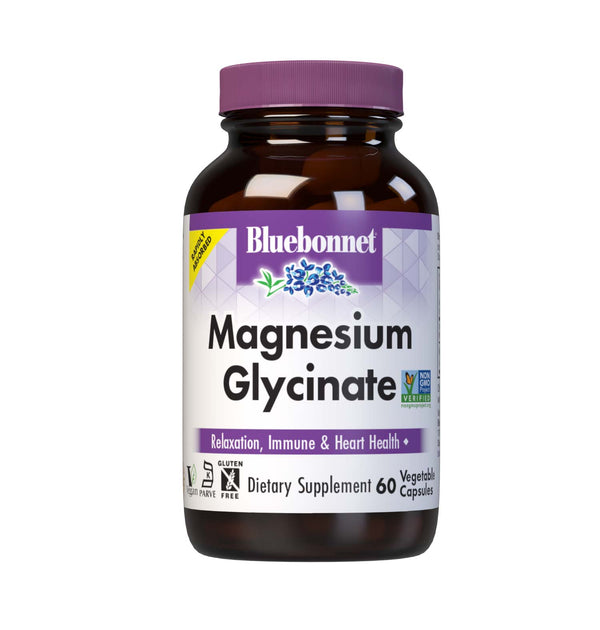
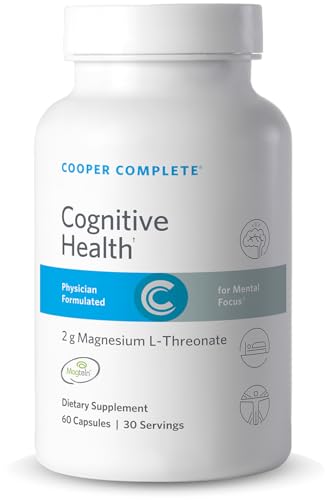
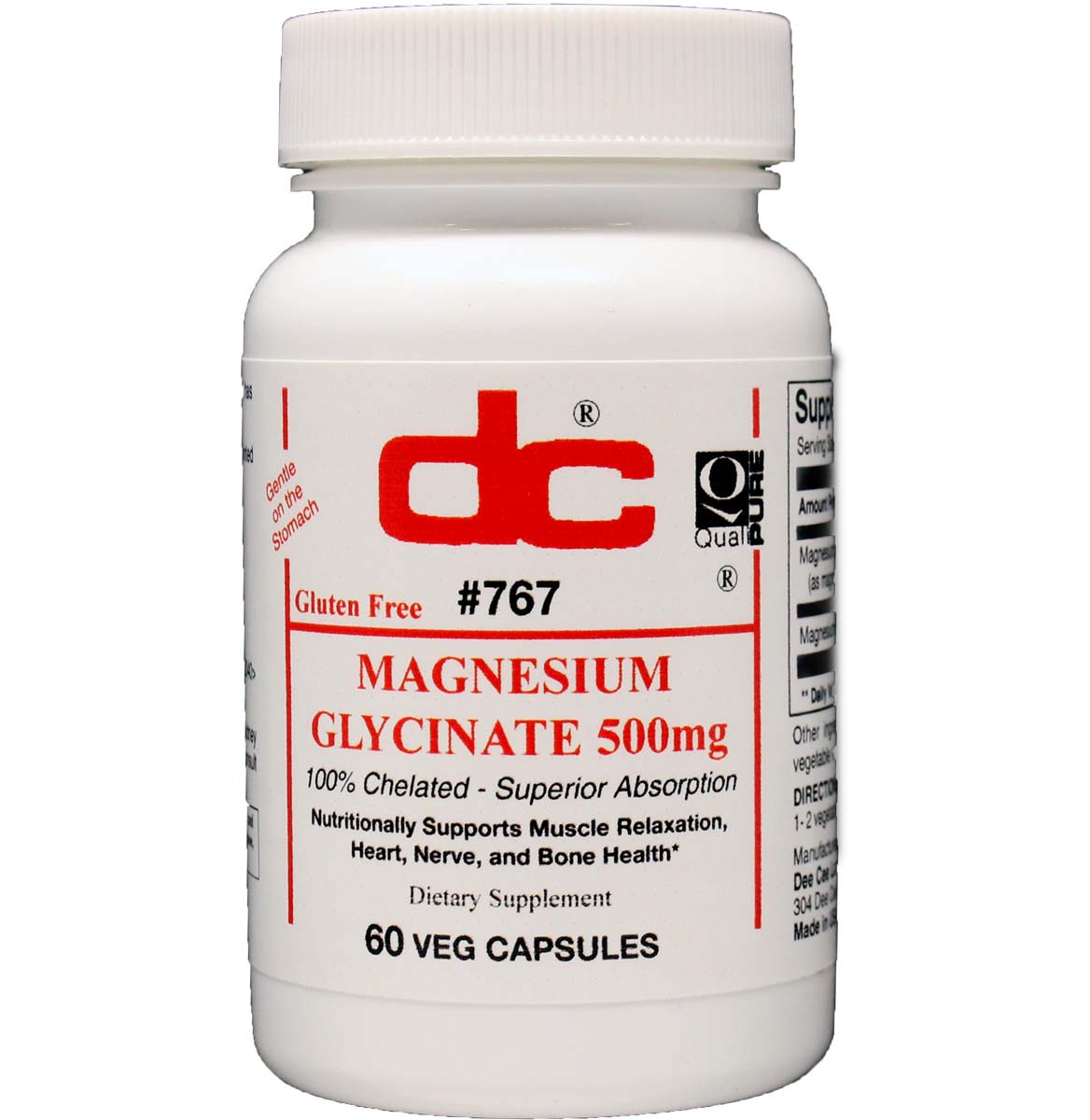
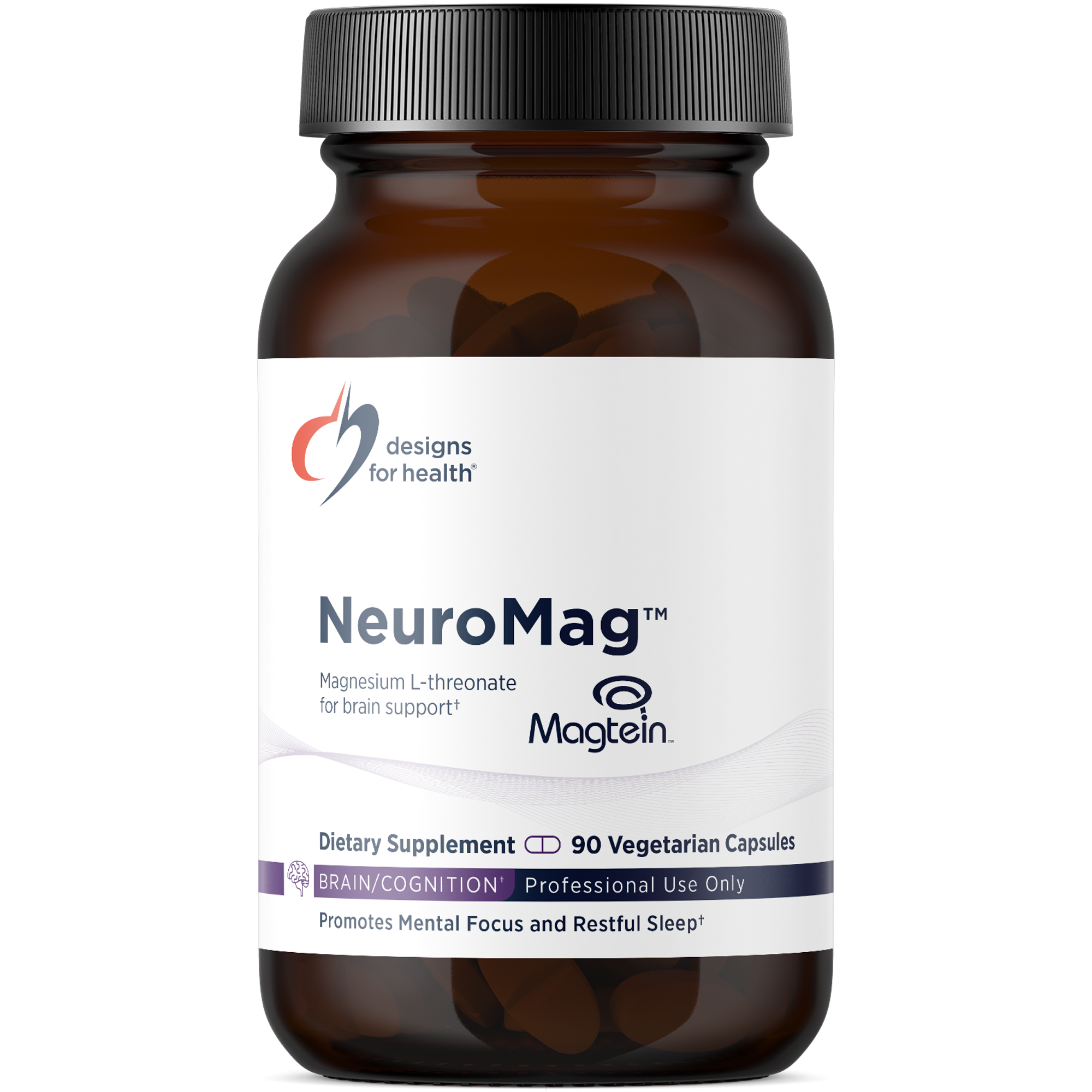
The citrate form does have a mild laxative effect, which is worth knowing if you have a sensitive stomach. If your primary goal is sleep or stress support specifically, glycinate or threonate forms may offer more targeted benefits — but for broad magnesium repletion at a clinically meaningful dose, this delivers.
BioStacks
Natural Factors Stress-Relax
Magnesium Citrate Tropical Drink Mix
Powder · 3.3 Gram · 75 servings · $0.28/serving
Best for
Ingredients (2)
Magnesium
100%Dose
300 mg
Target
100–400 mg
Form
Standard
Stevia leaf powder
15 mgNot in our database
Other Ingredients (1)
Natural Tropical FlavorFlavor
A proprietary natural flavoring blend imparting tropical-fruit taste
How to Take It
Best taken in the evening
Magnesium citrate pulls water into the bowel — mildly laxative at higher doses. Evening suits that; split the dose or switch to glycinate if it's too much.
With or without food
Space it a couple of hours from Iron and Calcium
On the label
Suggested Usage: Add 1 scoop (3.3 g) of powder to 1/2 cup of warm or hot water and stir until dissolved. Cold water may be added after the mixture fizzes if desired. Take once per day or as directed by a health professional.
General guidance based on the ingredients, not a substitute for the label or your doctor.
Price Check
$20.97
Near the median of 579 magnesium supplements
Track this supplement in your stack
Get personalized insights, interactions, and coverage recommendations.
Get Started FreeSimilar Supplements
Sources & Scoring
Nutrient data (RDA, UL, and safety thresholds) sourced from the NIH Office of Dietary Supplements and the National Academies Dietary Reference Intakes (DRI).
This is not medical advice. Consult a healthcare provider before making changes to your supplement routine.
The score analyzes what's on the label: ingredient doses vs. studied ranges, chemical forms, evidence levels, and known interactions. It does not verify label accuracy or test for contaminants — for that, look for third-party certifications like USP or NSF.