This nighttime formula pairs **Magnesium** at 200mg with **Melatonin** at 2.5mg — both comfortably within their clinical ranges for sleep support. The magnesium comes as a glycinate-oxide blend, so you're getting a mix of well-absorbed and poorly-absorbed forms rather than pure glycinate. At 200mg elemental, it's enough to contribute meaningfully to relaxation and muscle function, especially if your diet already covers part of your daily need.
**GABA** is sourced from PharmaGABA, a fermented form that may absorb better than synthetic versions. At 100mg you're at the floor of the studied range — enough to potentially take the edge off, though the evidence for oral GABA crossing the blood-brain barrier is still debated. **Melatonin** at 2.5mg is a moderate dose that should help with sleep onset without the grogginess that higher doses can cause.
The weakest link is **L-Theanine** at just 50mg — half the minimum clinical dose of 100mg used in relaxation studies. If calming support from theanine is important to you, you'd need to supplement it separately to reach the 100–200mg range where the research shows benefit.
BioStacks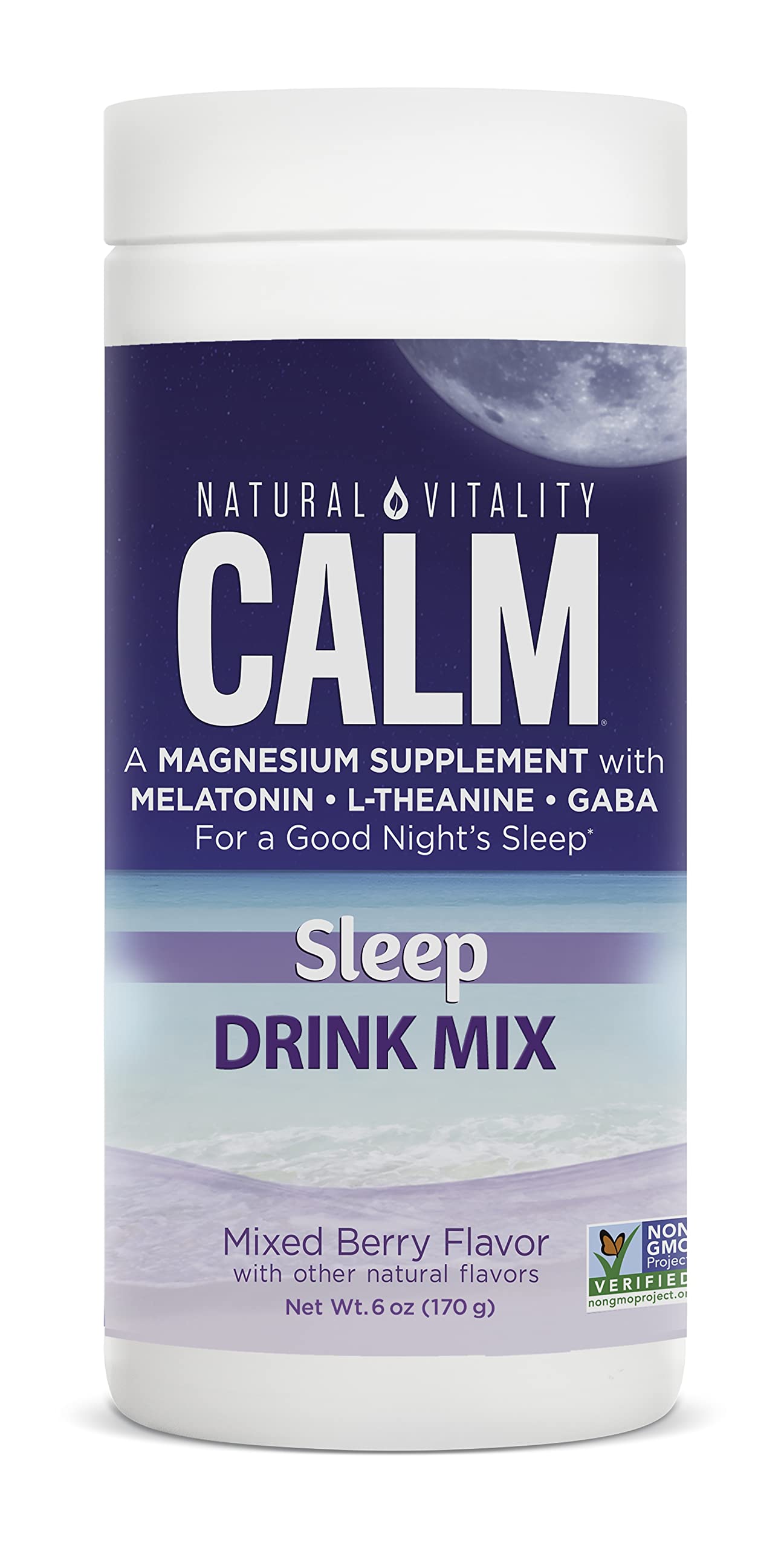
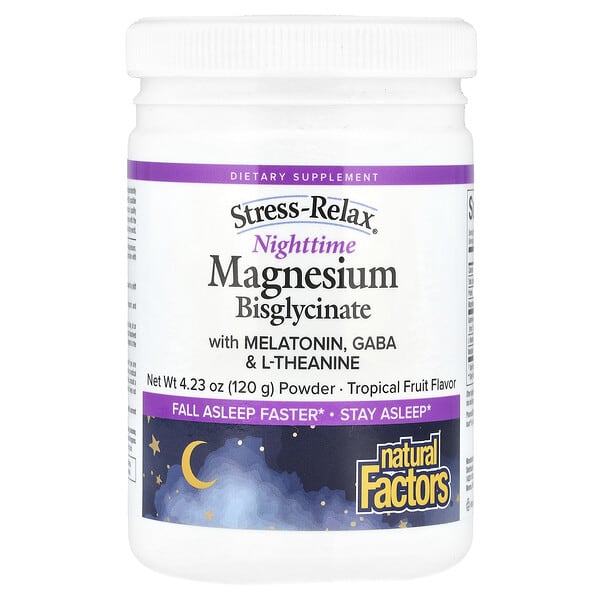
Natural Factors
Stress-Relax Nighttime Magnesium Glycinate With Melatonin, GABA & L-Theanine
2 Capsules · 30 servings · $0.65/serving
Best for
Ingredients (4)
Melatonin
100%Dose
2.5 mg
Target
0.5–5 mg
Form
—
Magnesium
100%Dose
200 mg
Target
100–400 mg
Form
Premium
Gamma-aminobutyric acid (GABA)
100%Dose
100 mg
Target
100–300 mg
Form
Premium
L-Theanine
50%Dose
50 mg
Target
100–250 mg
Form
—
Other Ingredients (5)
Rice FlourFiller
Rice-based ingredients carry risk of inorganic arsenic contamination (FDA and Consumer Reports). Rice accumulates arsenic from soil at higher rates than other grains. Used as a cheap filler — adds nothing beneficial.
Magnesium StearateLubricant
A salt of stearic acid used as a lubricant in tablet and capsule production
Silicon DioxideAnti-caking
Fine silica powder used to prevent clumping
Stearic AcidLubricant
Saturated fatty acid used as tablet lubricant
Capsule ShellCapsule
Generic capsule shell where the label does not specify the material. Common materials are hypromellose (HPMC) for vegetarian capsules and gelatin for traditional capsules — both are GRAS-listed and safe. Fish gelatin and pullulan variants also exist.
How to Take It
Best taken in the evening
Take 30–60 minutes before bed. It's a circadian signal, not a daytime supplement.
With or without food
Space it a couple of hours from Iron and Calcium
General guidance based on the ingredients, not a substitute for the label or your doctor.
Price Check
$19.57
Near the median of 579 magnesium supplements
Track this supplement in your stack
Get personalized insights, interactions, and coverage recommendations.
Get Started FreeSimilar Supplements
Natural Vitality
CALM Sleep Drink Mix Mixed Berry Flavor
😴 for Sleep
75
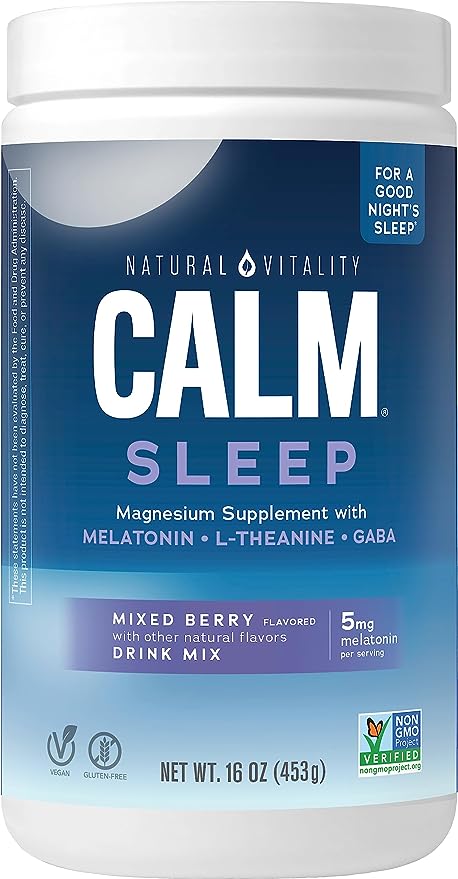
Natural Vitality
CALM Sleep Mixed Berry Flavor
😴 for Sleep
75
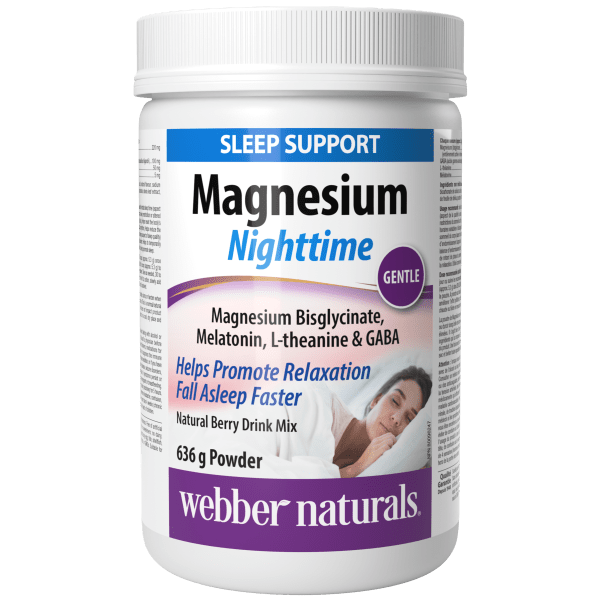
Webber Naturals
Magnesium Nighttime Powder
😴 for Sleep
68
Natural Factors
Stress-Relax®, Nighttime Magnesium Bisglycinate Powder with Melatonin, Gaba & L-Theanine, Tropical Fruit, 4.23 oz (120 g)
😴 for Sleep
63
Natural Vitality
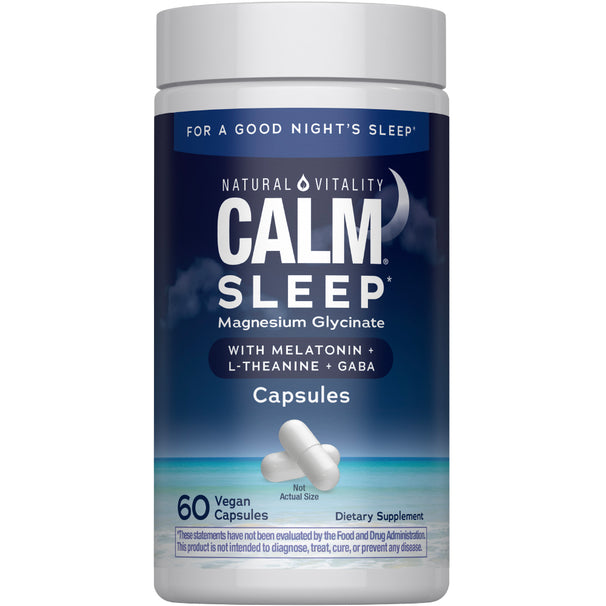
Calm Sleep
😴 for Sleep
67
Sources & Scoring
Nutrient data (RDA, UL, and safety thresholds) sourced from the NIH Office of Dietary Supplements and the National Academies Dietary Reference Intakes (DRI).
This is not medical advice. Consult a healthcare provider before making changes to your supplement routine.
The score analyzes what's on the label: ingredient doses vs. studied ranges, chemical forms, evidence levels, and known interactions. It does not verify label accuracy or test for contaminants — for that, look for third-party certifications like USP or NSF.