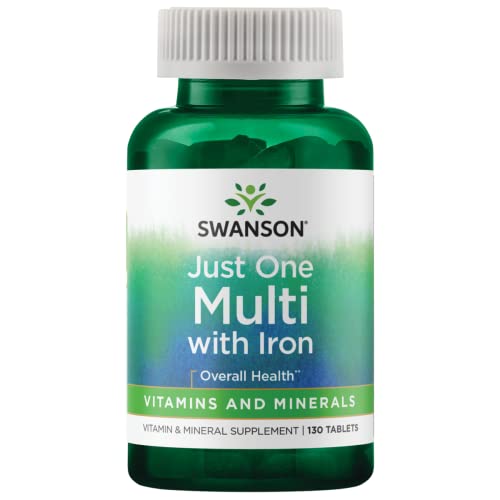
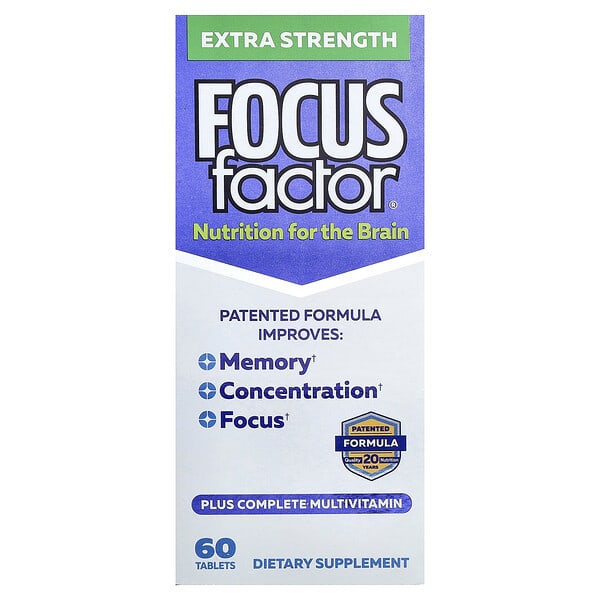
If you're looking for basic nutritional coverage, this once-daily multivitamin spans a wide range of vitamins and minerals — but most doses sit well below what you'd need for clinical benefit. **Vitamin D3** at 200 IU is only 20% of the minimum 1,000 IU recommended by current research. **Magnesium** at 25mg is about 6% of a meaningful supplemental dose. B vitamins like **B1** (10mg), **B2** (10mg), and **B6** (10mg) fall below the 25mg threshold typically found in effective B-complex supplements.
A few ingredients stand out positively: **Iron** at 10mg uses Ferrochel (iron bisglycinate), a highly absorbable form that's easy on your stomach. **Folic acid** at 400mcg meets the RDA. **Vitamin B12** at 50mg (likely 50mcg on the label) provides adequate coverage, though it uses cyanocobalamin rather than the more bioavailable methylcobalamin form.
The 425mg whole food blend lists 27 ingredients, which means each one is present in trace amounts. At those levels, you're unlikely to get meaningful benefit from any individual component in the blend. This covers basic nutritional gaps but won't deliver clinical-level support for any specific health goal.
BioStacks
Best for
Ingredients (24)
Vitamin E
100%Dose
66.7 mg
Target
50–268 mg
Form
Premium
Vitamin B6
100%Dose
10 mg
Target
1.3–25 mg
Form
Premium
Pantothenic Acid
40%Dose
20 mg
Target
50–500 mg
Form
Premium
Iron
67%Dose
10 mg
Target
15–45 mg
Form
Premium
Niacinamide
80%Dose
20 mg
Target
25–500 mg
Form
Standard
Other Ingredients (8)
ShellacCoating
Natural resin secreted by the lac bug, used as a coating and glazing agent for tablets and pills
Silicon DioxideAnti-caking
Fine silica powder used to prevent clumping
Vegetable LubricantLubricant
Generic label term for a plant-derived tableting lubricant — in practice stearic acid or magnesium stearate of vegetable origin
Calcium SilicateAnti-caking
Inorganic compound used as an anti-caking and flow agent in powdered supplements
Croscarmellose SodiumDisintegrant
Cross-linked cellulose derivative used as a superdisintegrant
Calcium CarbonateBuffer
Common calcium salt used as a buffering agent, filler, or mineral fortification in supplements
Microcrystalline CelluloseBinder
Plant-derived cellulose used as a binder and filler in supplements
Stearic AcidLubricant
Saturated fatty acid used as tablet lubricant
How to Take It
Take it anytime
No evidence a formula this broad works better at any particular hour. Take it with a meal containing fat — the vitamins A, D, E and K in it absorb poorly without one.
With a meal containing fat
Keep it away from coffee, tea and dairy
Space it a couple of hours from Calcium, Magnesium and Green Tea Leaf Extract
On the label
Suggested Use: As a dietary supplement take one (1) tablet once (1) a day with food or water.
General guidance based on the ingredients, not a substitute for the label or your doctor.
Price Check
No price yet
What 798 multivitamins cost
Track this supplement in your stack
Get personalized insights, interactions, and coverage recommendations.
Get Started FreeSimilar Supplements
Sources & Scoring
Nutrient data (RDA, UL, and safety thresholds) sourced from the NIH Office of Dietary Supplements and the National Academies Dietary Reference Intakes (DRI).
This is not medical advice. Consult a healthcare provider before making changes to your supplement routine.
The score analyzes what's on the label: ingredient doses vs. studied ranges, chemical forms, evidence levels, and known interactions. It does not verify label accuracy or test for contaminants — for that, look for third-party certifications like USP or NSF.