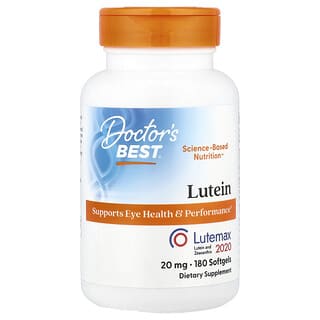
At 20mg per softgel, this delivers twice the **Lutein** dose used in the landmark AREDS2 trial — the largest study to date on carotenoids for eye health. You're well above the 10mg clinical minimum, putting you at the top of the researched range for protecting macular health and filtering blue light.
The softgel format is a good match here since lutein is fat-soluble and absorbs better when delivered with oil. You also get 800mcg of **Zeaxanthin**, which works alongside lutein in the macula — though at less than half the 2mg dose used in AREDS2, it's a supporting player rather than a full clinical dose.
Take this with a meal that contains some fat to maximize your absorption. Lutein builds up in your macula over weeks of consistent use, so daily adherence matters more than any single dose — and at one softgel per day, the routine is easy to stick with.
BioStacks
Best for
Ingredients (1)
Zeaxanthin
40%Dose
0.8 mg
Target
2–4 mg
Form
—
Other Ingredients (4)
GelatinCapsule
Protein derived from collagen, used in traditional capsule shells
Safflower Seed OilCarrier
Light, neutral oil from safflower seeds used as a carrier in softgels for fat-soluble nutrients
GlycerinHumectant
Sweet-tasting liquid used in soft capsules and liquids
BeeswaxCoating
Natural wax produced by honeybees, used as a coating and binding agent in softgels and tablets
How to Take It
Take it anytime
Fat-soluble — take with a meal containing fat for better absorption. Time of day doesn't matter.
With a meal containing fat
On the label
Directions: For adults, take one (1) softgel daily, preferably with a meal.
General guidance based on the ingredients, not a substitute for the label or your doctor.
Price Check
No price yet
What 76 lutein supplements cost
Track this supplement in your stack
Get personalized insights, interactions, and coverage recommendations.
Get Started FreeSimilar Supplements
Sources & Scoring
Nutrient data (RDA, UL, and safety thresholds) sourced from the NIH Office of Dietary Supplements and the National Academies Dietary Reference Intakes (DRI).
This is not medical advice. Consult a healthcare provider before making changes to your supplement routine.
The score analyzes what's on the label: ingredient doses vs. studied ranges, chemical forms, evidence levels, and known interactions. It does not verify label accuracy or test for contaminants — for that, look for third-party certifications like USP or NSF.