You're getting 240mg of **Magnesium** per two-capsule serving in the glycinate form — one of the best-absorbed forms available and the one most studied for sleep and relaxation support. That 240mg lands squarely in the middle of the 100–400mg clinical range, so you're covered for a meaningful daily dose without needing to stack extra capsules.
The glycinate form is specifically favored because it's gentle on your stomach compared to oxide or citrate, and glycine itself has calming properties that complement magnesium's role in muscle relaxation and sleep quality. With 60 servings per bottle, you're looking at a two-month supply at the recommended dose.
At 240mg, you're getting a solid maintenance dose, but if you're targeting the higher end of the clinical range for sleep support (closer to 400mg), you'd need to take an extra capsule daily — which cuts the bottle's duration to about 40 days.
BioStacks
Nature's Bounty
Magnesium Glycinate, High Absorption, 120 Capsules (120 mg per Capsule)
2 Capsules · 60 servings · $0.52/serving
Best for
Ingredients (1)
Magnesium
100%Dose
240 mg
Target
100–400 mg
Form
Premium
Other Ingredients (2)
Ascorbyl PalmitateAntioxidant
Fat-soluble form of vitamin C used as preservative
Microcrystalline CelluloseBinder
Plant-derived cellulose used as a binder and filler in supplements
How to Take It
Best taken in the evening
Magnesium glycinate is the gentlest form on the gut and the one most people take at night. Absorption doesn't change with the clock — consistency does.
With or without food
Space it a couple of hours from Iron and Calcium
General guidance based on the ingredients, not a substitute for the label or your doctor.
Price Check
$31.28
Pricier than 79% of 579 magnesium supplements
Track this supplement in your stack
Get personalized insights, interactions, and coverage recommendations.
Get Started FreeSimilar Supplements
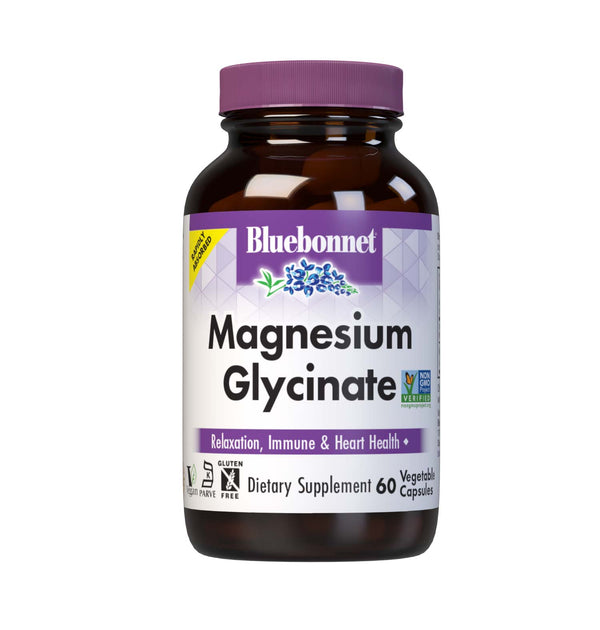
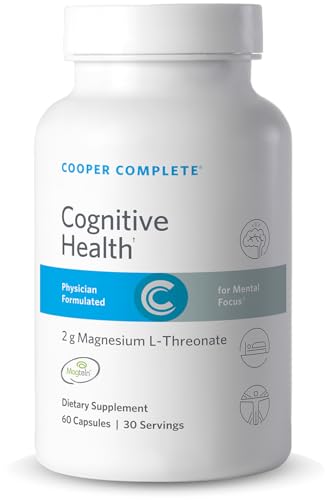
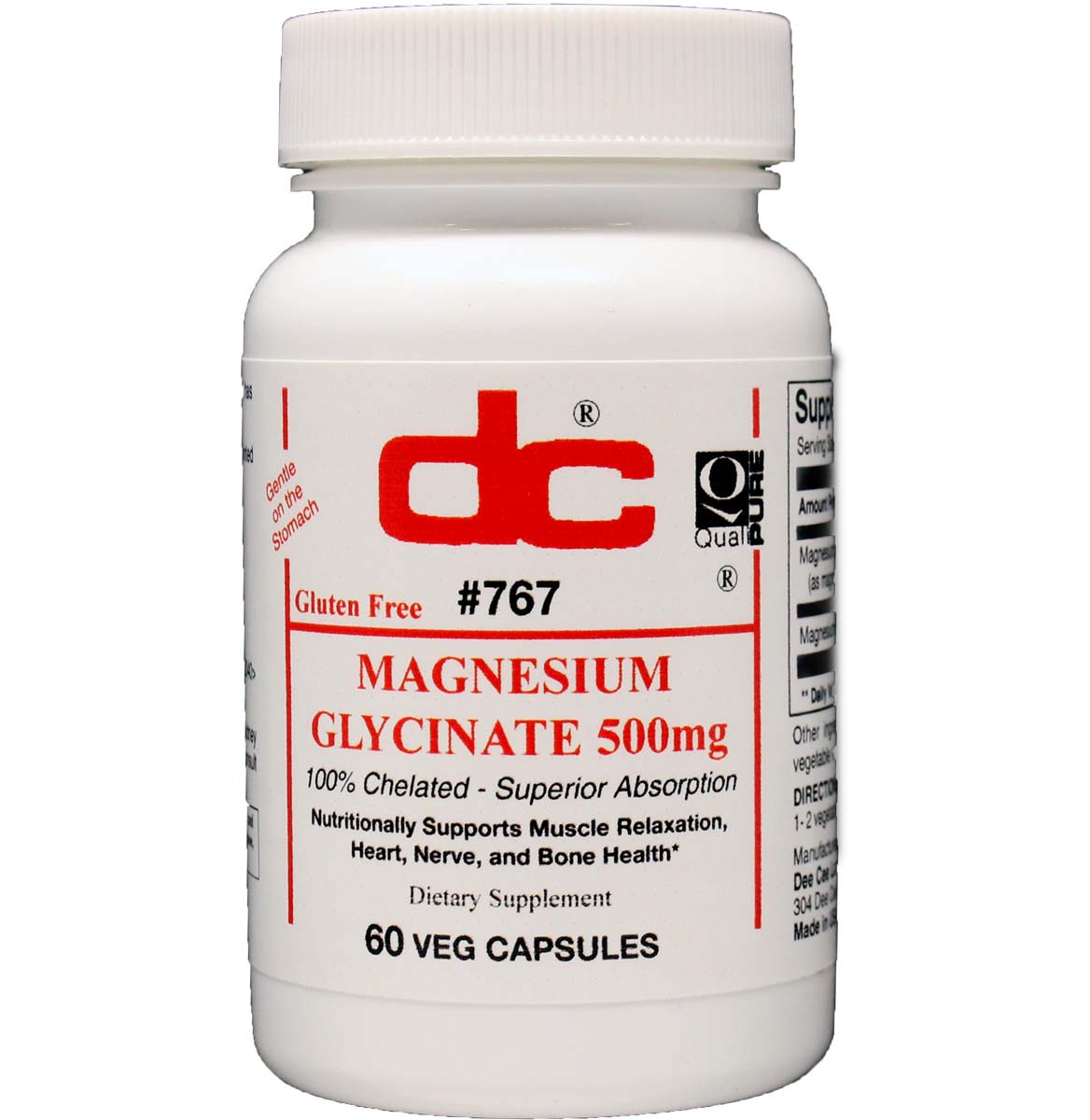
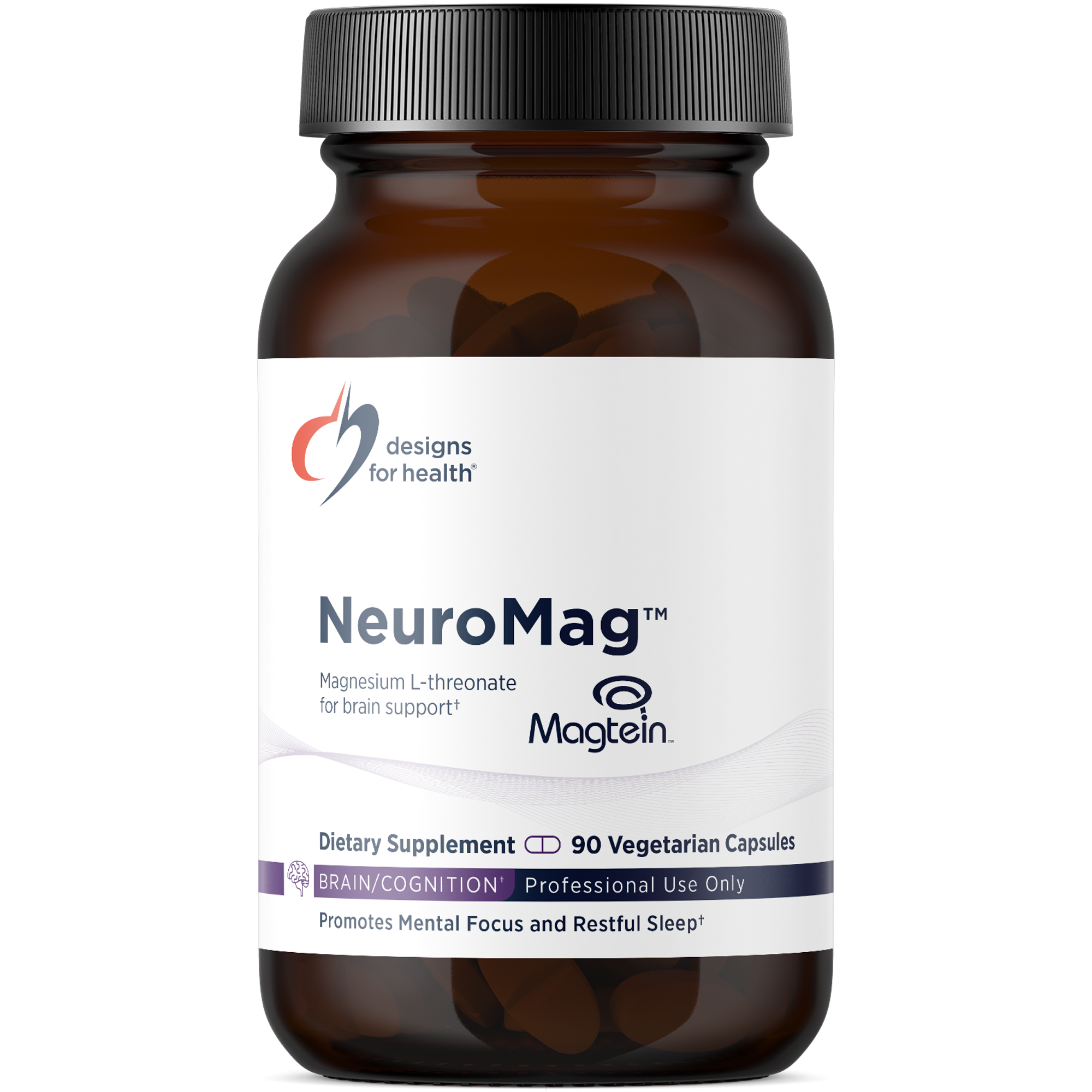
Sources & Scoring
Nutrient data (RDA, UL, and safety thresholds) sourced from the NIH Office of Dietary Supplements and the National Academies Dietary Reference Intakes (DRI).
This is not medical advice. Consult a healthcare provider before making changes to your supplement routine.
The score analyzes what's on the label: ingredient doses vs. studied ranges, chemical forms, evidence levels, and known interactions. It does not verify label accuracy or test for contaminants — for that, look for third-party certifications like USP or NSF.