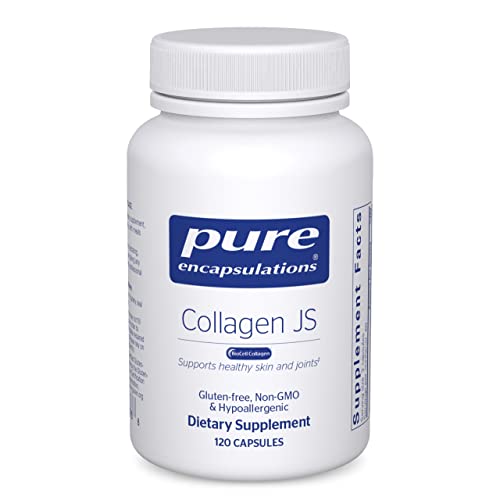
Designed for skin support, but the collagen dose falls well short of what research uses. You're getting 600mg of hydrolyzed type II collagen from **BioCell Collagen II** — a patented complex that also delivers 200mg of chondroitin sulfate and 100mg of **Hyaluronic Acid**. BioCell has its own clinical data for skin hydration and joint comfort, but 600mg is about 12% of the 5,000–10,000mg range used in most skin elasticity trials. The hyaluronic acid at 100mg is a more relevant dose for your skin.
**Grape Seed Extract** at 200mg adds polyphenol antioxidant support, and **Resveratrol** at 100mg is just under the 150mg minimum used in clinical studies. Together they give you an antioxidant layer, though neither reaches a full clinical dose on its own.
If your primary goal is collagen-based skin support, you'd likely need to supplement with additional collagen on top of this product. The antioxidant ingredients add some value, but the core collagen dose is the main gap holding this formula back for you.
BioStacks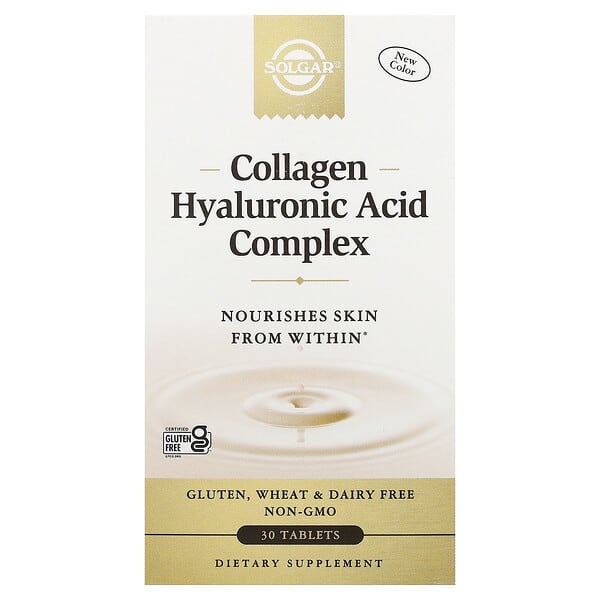
Best for
Ingredients (4)
Grape Seed Extract
100%Dose
200 mg
Target
150–600 mg
Form
—
Hyaluronic Acid
100%Dose
100 mg
Target
50–200 mg
Form
Standard
Resveratrol
67%Dose
100 mg
Target
150–500 mg
Form
Standard
Chondroitin Sulfate
25%Dose
200 mg
Target
800–1200 mg
Form
Standard
Nutrition
Calories, macros & sodium.
- Sodium15 mg
Other Ingredients (4)
Silicon DioxideAnti-caking
Fine silica powder used to prevent clumping
Magnesium StearateLubricant
A salt of stearic acid used as a lubricant in tablet and capsule production
GelatinCapsule
Protein derived from collagen, used in traditional capsule shells
Microcrystalline CelluloseBinder
Plant-derived cellulose used as a binder and filler in supplements
How to Take It
Take it anytime
Poorly absorbed on its own — take with a fat-containing meal.
With a meal containing fat
On the label
For adults, take two (2) capsules daily, preferably with a meal.
General guidance based on the ingredients, not a substitute for the label or your doctor.
Price Check
$19.94
Cheaper than 80% of 72 skin supplements
Track this supplement in your stack
Get personalized insights, interactions, and coverage recommendations.
Get Started FreeSimilar Supplements
Solgar
Collagen Hyaluronic Acid Complex
✨ for Skin
57
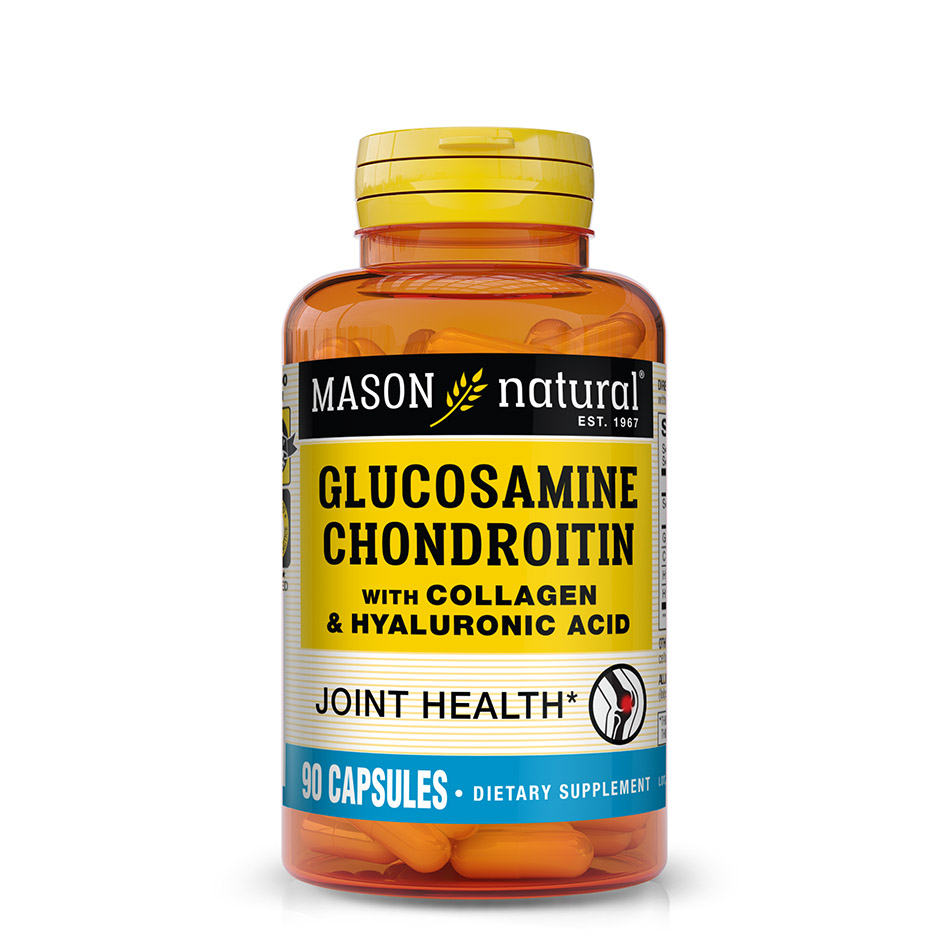
Mason Natural
Glucosamine Chondroitin
🦴 for Bone & Joint
37
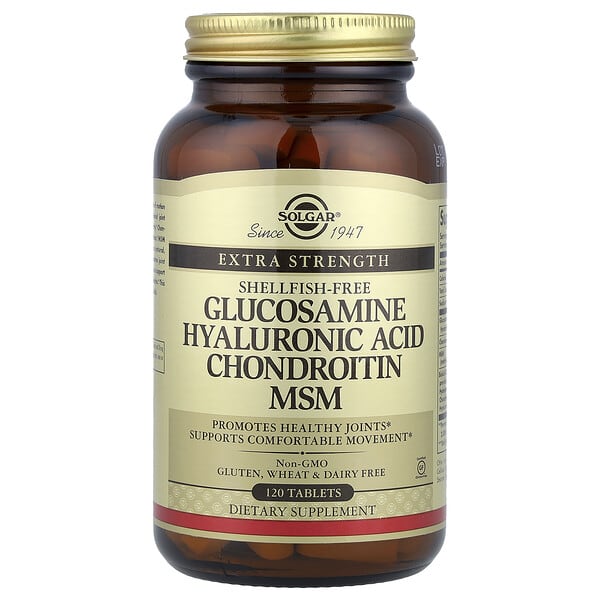
Solgar
Glucosamine Hyaluronic Acid Chondroitin MSM
🦴 for Bone & Joint
72
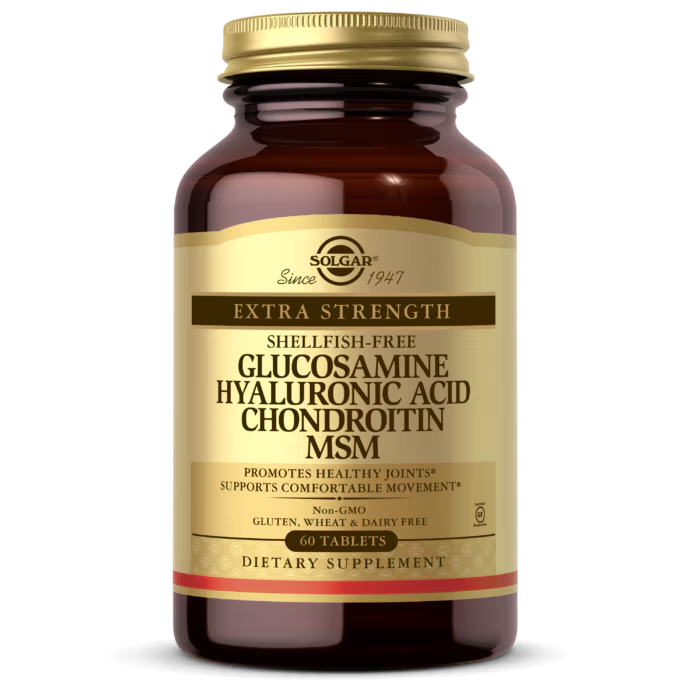
Solgar
Glucosamine Hyaluronic Acid Chondroitin MSM (Shellfish-Free) Tablets
🦴 for Bone & Joint
71
Pure Encapsulations
Collagen JS
✨ for Skin
59
Sources & Scoring
Nutrient data (RDA, UL, and safety thresholds) sourced from the NIH Office of Dietary Supplements and the National Academies Dietary Reference Intakes (DRI).
This is not medical advice. Consult a healthcare provider before making changes to your supplement routine.
The score analyzes what's on the label: ingredient doses vs. studied ranges, chemical forms, evidence levels, and known interactions. It does not verify label accuracy or test for contaminants — for that, look for third-party certifications like USP or NSF.