For digestive regularity and gut health, each 2-gummy serving delivers 4g of **Dietary Fiber** from chicory root (inulin), all of it soluble fiber. That's a modest contribution toward your daily needs — adults should be getting 25–38g per day, so this covers roughly 11–16% of your daily target. Clinical trials showing consistent benefits for cholesterol and blood sugar typically use 10–15g of supplemental fiber per day.
Chicory root inulin is a well-studied prebiotic fiber that feeds beneficial gut bacteria. At 4g, you're in the range where some prebiotic effects have been observed, though higher intakes (5–10g) tend to show stronger results for gut health in research.
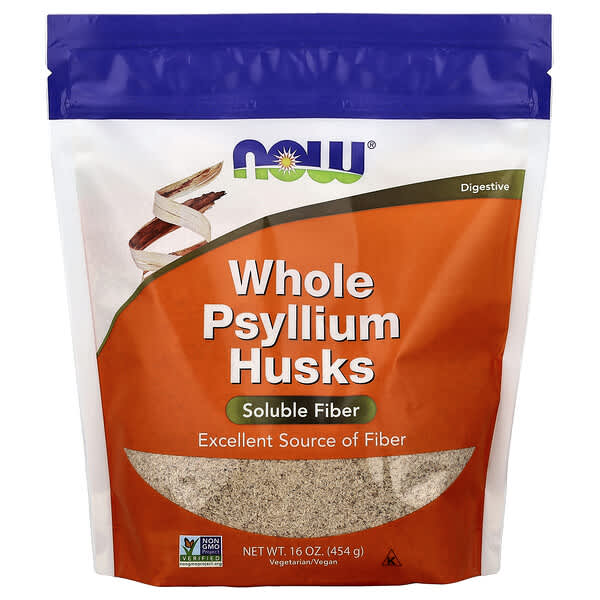
The gummy format limits how much fiber you can realistically fit per serving. With 60 servings in the bottle, you'd go through it in two months at the suggested dose. If your goal is meaningful fiber supplementation, a powder like psyllium husk can deliver 5–10g per serving more efficiently.
BioStacks
Ingredients (2)
Dietary Fiber
40%Dose
4 g
Target
10–30 g
Form
—
Soluble Fiber
40%Dose
4 g
Target
10–30 g
Form
—
Nutrition
Calories, macros & sodium.
- Calories15 kcal
- Sodium5 mg
- Total Carbohydrates5 g
Other Ingredients (11)
InulinFiller
Prebiotic soluble fiber from chicory root, used as a filler and flow agent in capsules and tablets
Natural FlavorsFlavor
Broad regulatory category of flavor constituents derived from natural sources. Composition is proprietary and not disclosed — 'Natural Flavors' can include several hundred different compounds depending on the target flavor profile, including hexane-extracted constituents and proprietary carrier solvents. 'Natural' is a regulatory definition (21 CFR §101.22), not a safety guarantee.
AgarThickener
A gelling polysaccharide extracted from red seaweed
Black CarrotColorant
Natural colorant derived from anthocyanin-rich black carrots, used to provide purple/red color in gummies and chewables
Carnauba WaxCoating
Hard plant wax from the carnauba palm used to glaze gummies and tablets
Citric AcidAcidulant
Natural acid derived from citrus fruits
Sodium Copper ChlorophyllinColor
Water-soluble semisynthetic chlorophyll derivative used as a green colorant
PectinGelling Agent
Plant polysaccharide from citrus peels or apple pomace used to gel pectin-based gummies
How to Take It
Take it anytime
Take with plenty of water. Fiber binds other things in the gut, so give it a 1–2 hour gap either side.
With food
Keep it away from medication and mineral supplements
On the label
2 gummies daily preferably with food or as directed by a healthcare professional. Chew gummies thoroughly before swallowing.
General guidance based on the ingredients, not a substitute for the label or your doctor.
Track this supplement in your stack
Get personalized insights, interactions, and coverage recommendations.
Get Started FreeSimilar Supplements
Sources & Scoring
Nutrient data (RDA, UL, and safety thresholds) sourced from the NIH Office of Dietary Supplements and the National Academies Dietary Reference Intakes (DRI).
This is not medical advice. Consult a healthcare provider before making changes to your supplement routine.
The score analyzes what's on the label: ingredient doses vs. studied ranges, chemical forms, evidence levels, and known interactions. It does not verify label accuracy or test for contaminants — for that, look for third-party certifications like USP or NSF.