You're getting 600 mg of **Apple Cider Vinegar** per serving — just below the 750 mg minimum used in clinical trials that showed modest reductions in fasting blood glucose, HbA1c, and body weight. A 2024 meta-analysis found these effects are most pronounced if your baseline glucose is already elevated, so benefits for healthy individuals are less clear.
The evidence for ACV is moderate overall, with the strongest data pointing to blood sugar management rather than weight loss. At 600 mg you're in the neighborhood of studied doses but not quite there — you'd need roughly 25% more to match the low end of what trials actually used.
The gummy format adds 6 grams of sugar per serving, which is worth noting for a product often marketed around blood sugar and weight management. If those are your goals, a liquid or capsule form delivering 750+ mg without the added sugar would get you closer to what the research supports.
BioStacks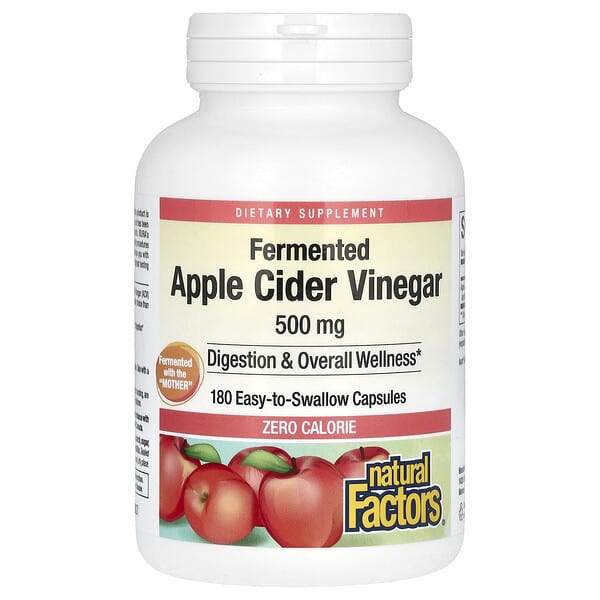
Nature's Truth
Apple Cider Vinegar 600 mg Gummies Natural Apple Flavor
3 Gummies · 25 servings · $0.51/serving
Ingredients (1)
Apple Cider Vinegar
100%Dose
600 mg
Target
500–1500 mg
Form
—
Nutrition
Calories, macros & sodium.
- Calories30 Calorie(s)
- Total Carbohydrates7 Gram(s)
- Total Sugars6 Gram(s)
Other Ingredients (9)
Glucose SyrupSweetener
High glycemic load; source typically corn (generally gluten-free)
SucroseSweetener
Added sugars and high glycemic load; dental caries risk
Natural FlavorsFlavor
Broad regulatory category of flavor constituents derived from natural sources. Composition is proprietary and not disclosed — 'Natural Flavors' can include several hundred different compounds depending on the target flavor profile, including hexane-extracted constituents and proprietary carrier solvents. 'Natural' is a regulatory definition (21 CFR §101.22), not a safety guarantee.
Black CarrotColorant
Natural colorant derived from anthocyanin-rich black carrots, used to provide purple/red color in gummies and chewables
Citric AcidAcidulant
Natural acid derived from citrus fruits
Vegetable OilCarrier
Edible oils used as carriers in softgels and as processing aids
PectinGelling Agent
Plant polysaccharide from citrus peels or apple pomace used to gel pectin-based gummies
Sodium CitrateBuffer
Sodium salt of citric acid used for pH control, tartness, and chelation in gummies
How to Take It
Take it anytime
Timing doesn't matter for this one — taking it consistently does.
With or without food
On the label
Directions: For adults, take three (3) vegan gummies daily, preferably with a meal.
General guidance based on the ingredients, not a substitute for the label or your doctor.
Price Check
$12.72
Cheaper than 66% of 41 ACV supplements
Track this supplement in your stack
Get personalized insights, interactions, and coverage recommendations.
Get Started FreeSimilar Supplements
Natural Factors
Fermented Apple Cider Vinegar, 500 mg, 180 Easy to Swallow Capsules
85
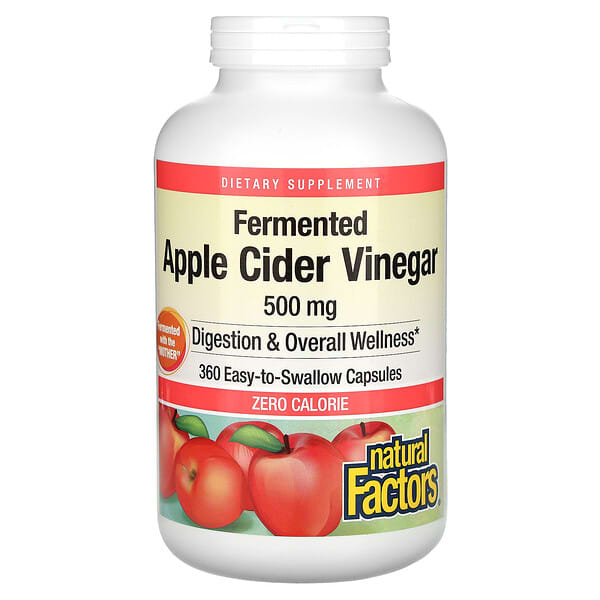
Natural Factors
Fermented Apple Cider Vinegar, 500 mg, 360 Easy-to -Swallow Capsules
85
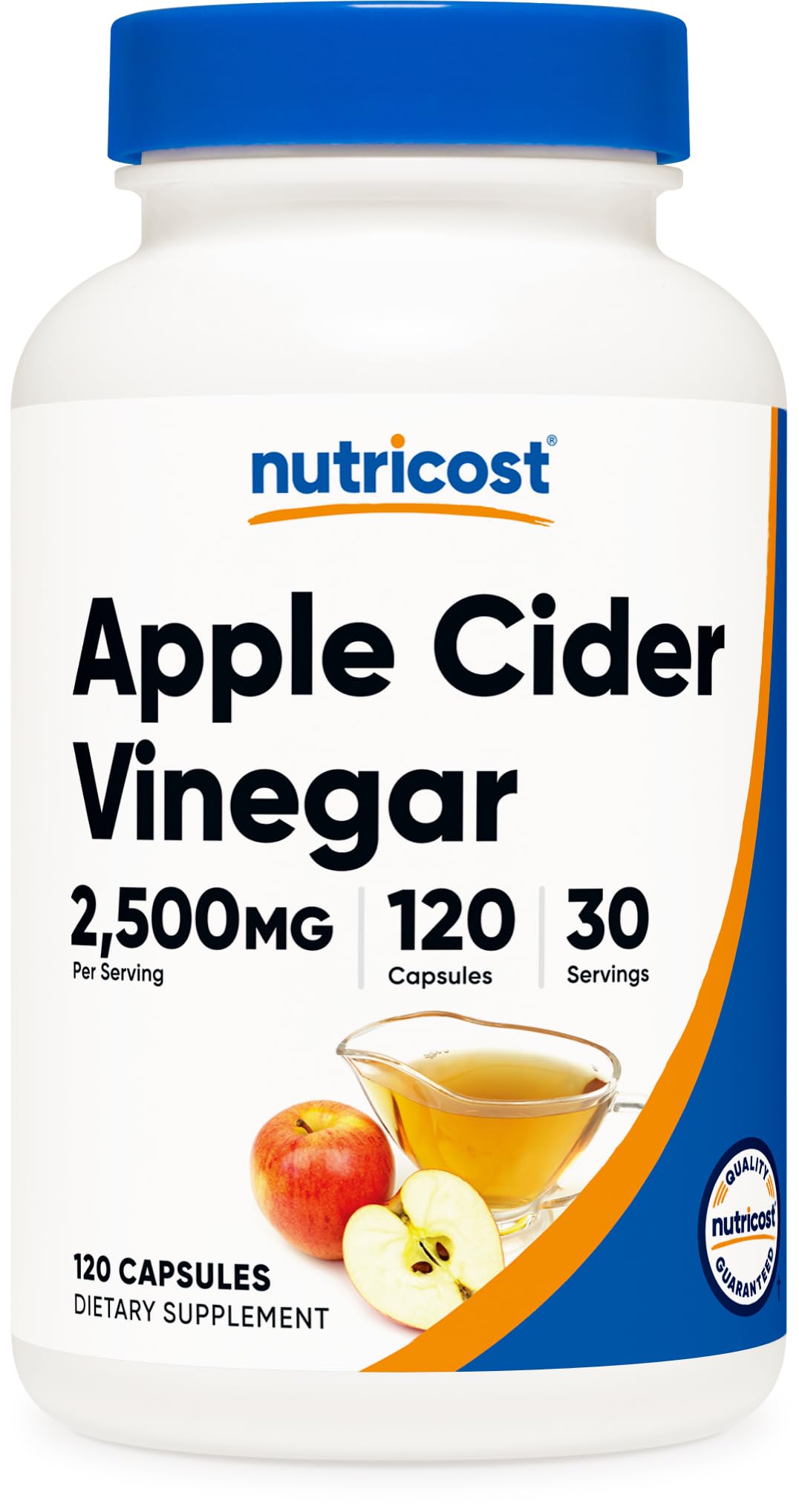
Nutricost
Apple Cider Vinegar
85
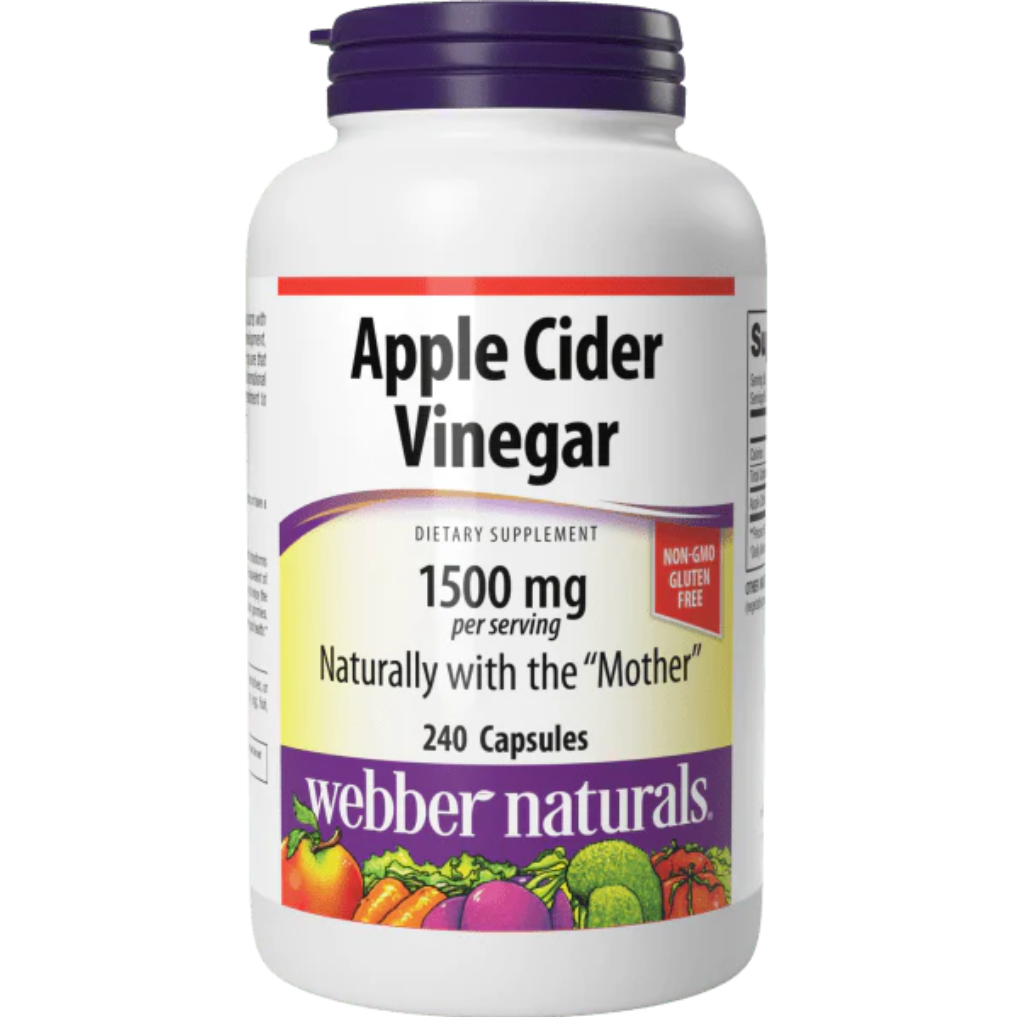
Webber Naturals
Apple Cider Vinegar 1500 mg
85
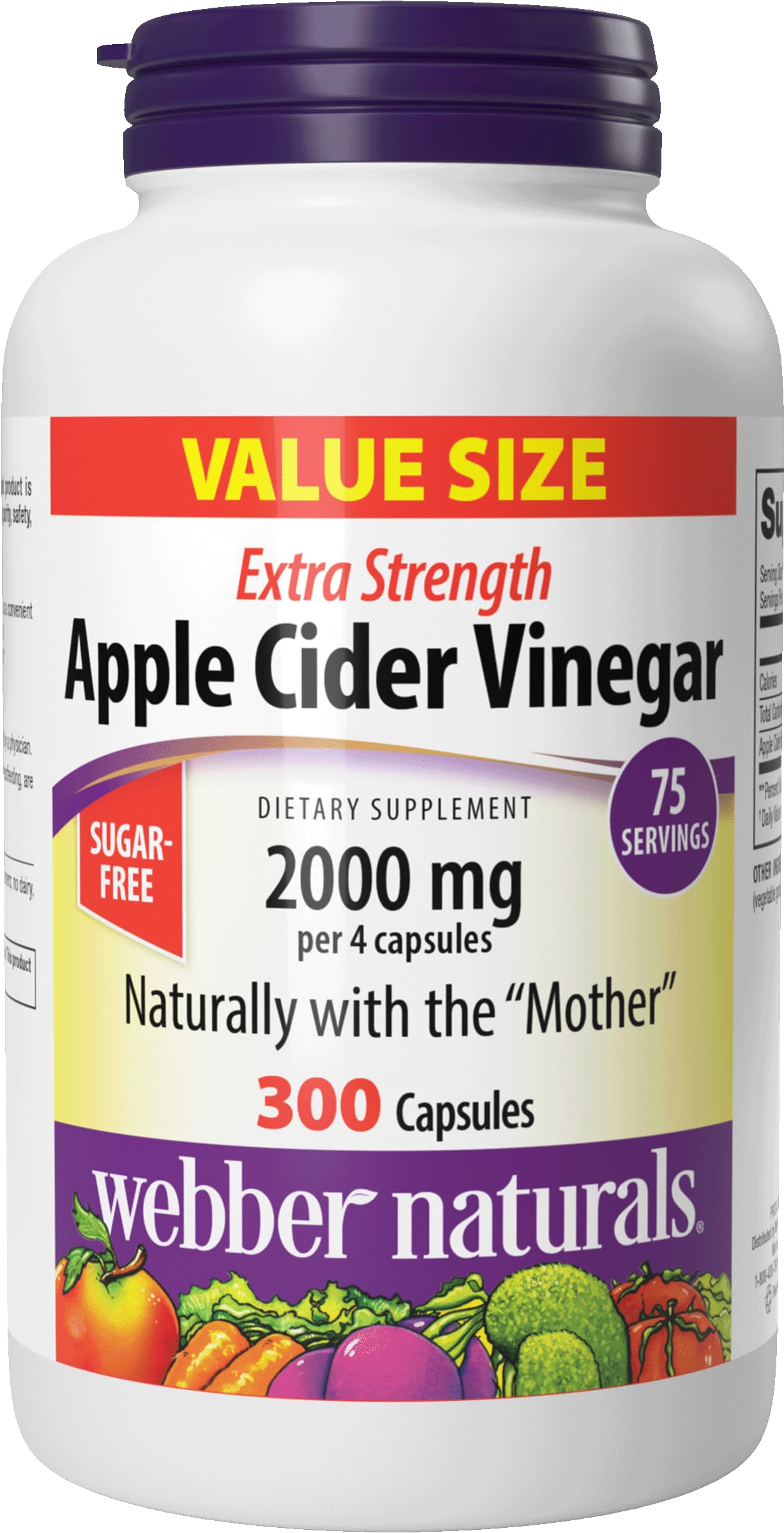
Webber Naturals
Extra Strength Apple Cider Vinegar 2000 mg
85
Sources & Scoring
Nutrient data (RDA, UL, and safety thresholds) sourced from the NIH Office of Dietary Supplements and the National Academies Dietary Reference Intakes (DRI).
This is not medical advice. Consult a healthcare provider before making changes to your supplement routine.
The score analyzes what's on the label: ingredient doses vs. studied ranges, chemical forms, evidence levels, and known interactions. It does not verify label accuracy or test for contaminants — for that, look for third-party certifications like USP or NSF.