BioStacks
Best for
Ingredients (1)
Vitamin C
100%Dose
1000 mg
Target
250–2000 mg
Form
Budget
Other Ingredients (10)
CarrageenanThickener
Can break down into poligeenan (a known inflammatory) under stomach acid conditions. Tobacman (2001, Environmental Health Perspectives) reviewed evidence linking carrageenan to intestinal inflammation and ulceration. Major food brands (Silk, Stonyfield) have voluntarily removed it. Used only as a thickener — provides no health benefit.
Rice HullsAnti-caking
Ground outer husk of rice grains used as a plant-based flow and anti-caking agent
Gum AcaciaBinder
Natural plant gum (acacia) used as a binder, stabilizer, and emulsifier in foods and supplements
HypromelloseCapsule
Plant-derived capsule material from cellulose
Oat FiberFiber
Insoluble dietary fiber from the outer hull or bran of oat grains; primarily cellulose and hemicellulose, low in beta-glucan compared to oat bran soluble fraction
PotassiumMineral
Essential mineral naturally present in many plant-based supplement ingredients
StarchBinder
Carbohydrate polymer used as a binder, filler, and disintegrant in tablets and capsules
Psyllium (seed/husk)Fiber
Natural soluble fiber from Plantago ovata seed husks, widely used as a fiber supplement base
How to Take It
Take it anytime
Plain ascorbic acid is acidic — high doses can bite on an empty stomach. Take it with food if that happens, and split doses above ~500 mg.
With or without food
On the label
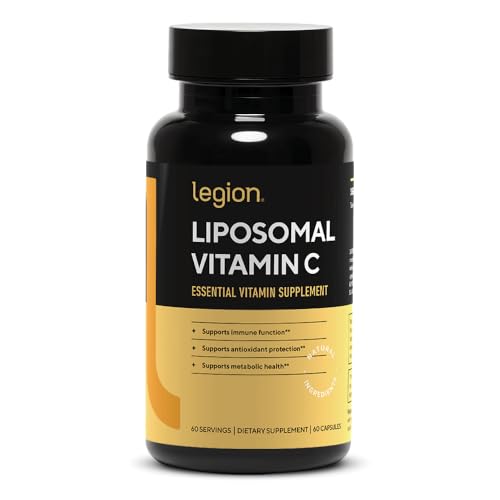
Adults, take 1 capsule daily with food, or as recommended by your healthcare provider.
General guidance based on the ingredients, not a substitute for the label or your doctor.
Price Check
$10.99
Cheaper than 82% of 375 vitamin C supplements
Track this supplement in your stack
Get personalized insights, interactions, and coverage recommendations.
Get Started FreeSimilar Supplements
Sources & Scoring
Nutrient data (RDA, UL, and safety thresholds) sourced from the NIH Office of Dietary Supplements and the National Academies Dietary Reference Intakes (DRI).
This is not medical advice. Consult a healthcare provider before making changes to your supplement routine.
The score analyzes what's on the label: ingredient doses vs. studied ranges, chemical forms, evidence levels, and known interactions. It does not verify label accuracy or test for contaminants — for that, look for third-party certifications like USP or NSF.