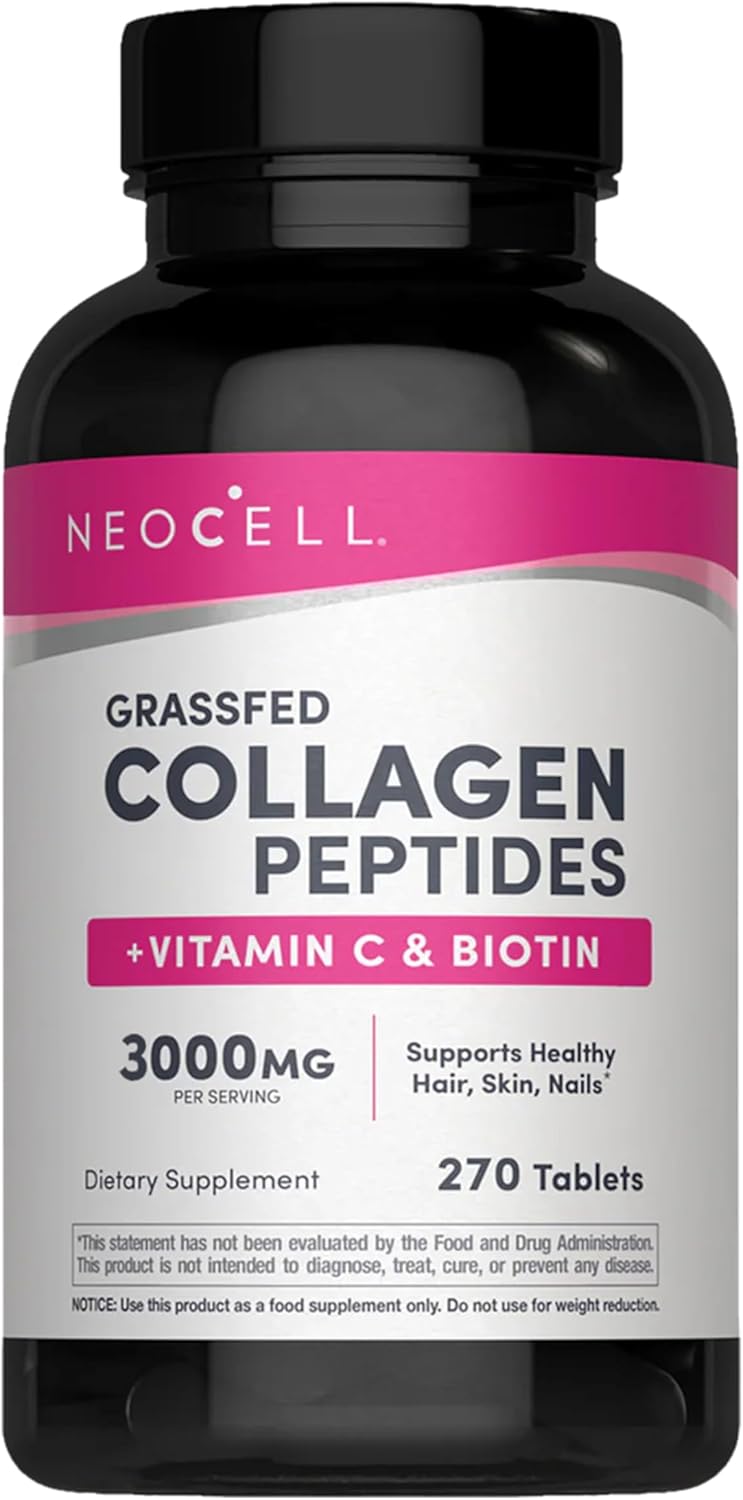
For skin elasticity and connective tissue support, this product delivers 6g of **Collagen Peptides** per 6-tablet serving — right in the clinical sweet spot. Most skin-focused RCTs show benefits starting at 2.5–10g daily, so you're solidly in range. The grassfed bovine source provides Type I and III collagen, the types most relevant to your skin and hair.
**Vitamin C** at 60mg supports collagen synthesis in your body, though the dose is modest. **Biotin** at 5,000mcg is at the top of the supplement range, though clinical evidence for hair and nail benefits is strongest in individuals who are actually biotin-deficient.
The main tradeoff is pill burden. Six tablets per serving is a lot to swallow daily, and the 270-tablet bottle only lasts 45 days. If you find that manageable, the collagen dose itself is well positioned for results. A powder format would deliver the same collagen with less hassle.
BioStacks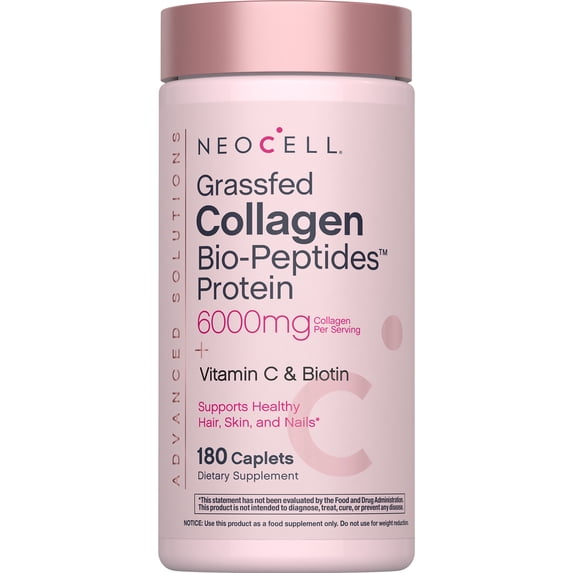
Best for
Ingredients (3)
Biotin
100%Dose
5000 mcg
Target
1000–5000 mcg
Form
—
Vitamin C
100%Dose
60 mg
Target
40–200 mg
Form
Standard
BioActive NeoCell Collagen Peptides
100%Dose
6 g
Target
5–20 g
Form
Standard
Nutrition
Calories, macros & sodium.
- Sodium30 mg
Other Ingredients (2)
SulfitesPreservative
Sulfite sensitivity affects ~1% of the general population and up to 5% of asthmatics. Can trigger bronchospasm, hives, and anaphylaxis in sensitive individuals. FDA mandates labeling above 10 ppm.
Magnesium StearateLubricant
A salt of stearic acid used as a lubricant in tablet and capsule production
How to Take It
Take it anytime
Timing doesn't matter — daily consistency over weeks is what moves outcomes.
With or without food
General guidance based on the ingredients, not a substitute for the label or your doctor.
Price Check
$15.37
Near the median of 375 vitamin C supplements
Track this supplement in your stack
Get personalized insights, interactions, and coverage recommendations.
Get Started FreeSimilar Supplements
NeoCell
Grassfed Collagen Bio-Peptides Protein 6000 mg
✨ for Skin
69
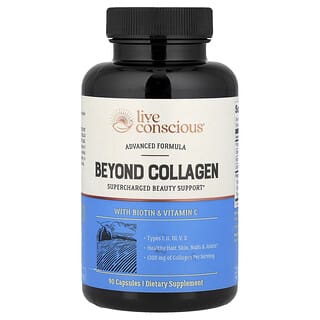
Live Conscious
Beyond Collagen, with Biotin & Vitamin C, 90 Capsules
✨ for Skin
67
NeoCell
Super Collagen + C with Biotin
✨ for Skin
60
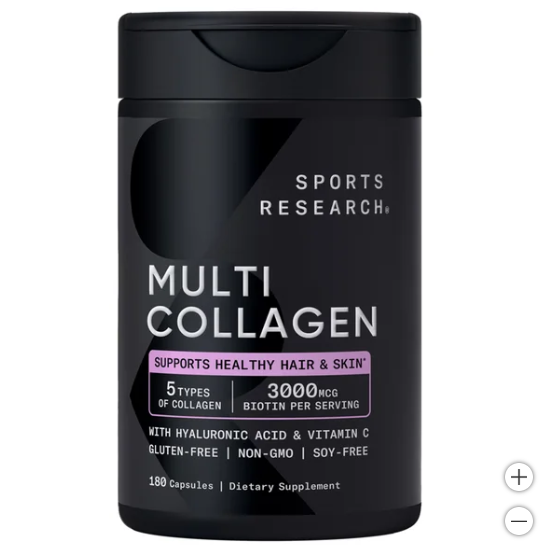
Sports Research
Multi Collagen with Biotin
✨ for Skin
70
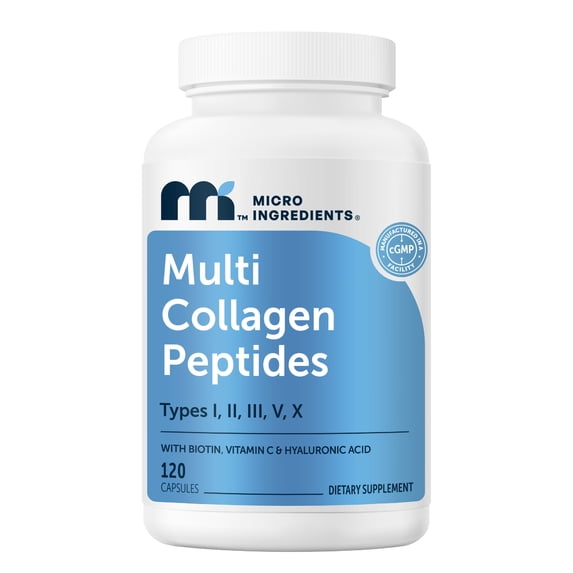
Micro Ingredients
Multi Collagen Peptides Capsules
✨ for Skin
64
Sources & Scoring
Nutrient data (RDA, UL, and safety thresholds) sourced from the NIH Office of Dietary Supplements and the National Academies Dietary Reference Intakes (DRI).
This is not medical advice. Consult a healthcare provider before making changes to your supplement routine.
The score analyzes what's on the label: ingredient doses vs. studied ranges, chemical forms, evidence levels, and known interactions. It does not verify label accuracy or test for contaminants — for that, look for third-party certifications like USP or NSF.