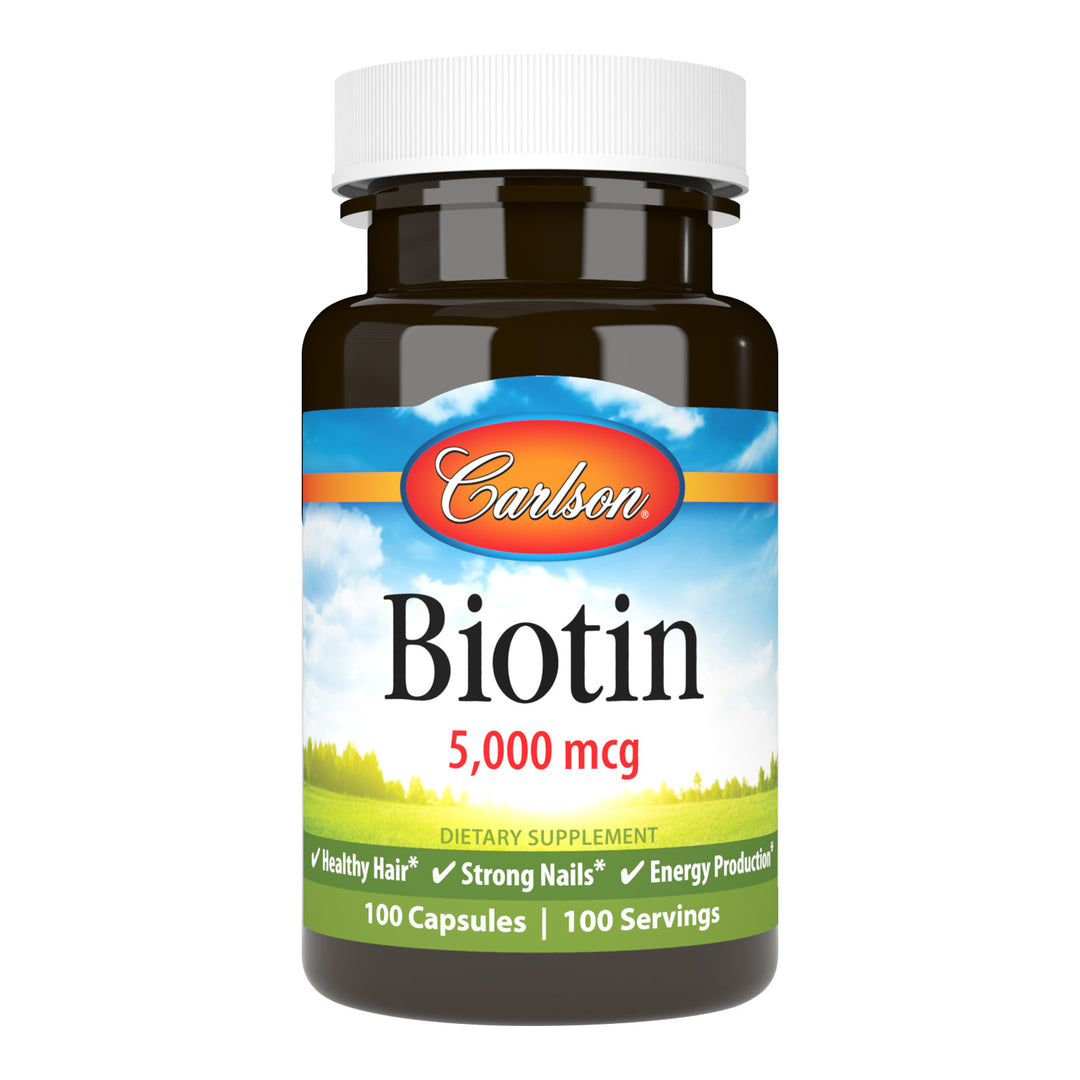
**Biotin** at 5,000 mcg puts you at the top of the typical supplement range, well above the 30 mcg RDA. The catch: clinical research supporting biotin for hair and nail growth is largely limited to people with actual biotin deficiency or brittle nail syndrome. If you're not deficient, the evidence that this dose will improve your hair is thin.
At 5,000 mcg you're getting a meaningful dose for metabolic support — biotin is a cofactor your body uses to process fats, carbohydrates, and amino acids. The single-capsule serving keeps things simple, and 120 capsules give you a four-month supply.
One important caveat: biotin at this dose can interfere with blood tests, including thyroid panels and cardiac markers. If you have lab work coming up, stop taking it at least 48 hours beforehand — this is something most labels mention but few people actually notice.
BioStacks
Other Ingredients (4)
Rice FlourFiller
Rice-based ingredients carry risk of inorganic arsenic contamination (FDA and Consumer Reports). Rice accumulates arsenic from soil at higher rates than other grains. Used as a cheap filler — adds nothing beneficial.
Silicon DioxideAnti-caking
Fine silica powder used to prevent clumping
HypromelloseCapsule
Plant-derived capsule material from cellulose
Stearic AcidLubricant
Saturated fatty acid used as tablet lubricant
How to Take It
Take it anytime
Timing doesn't matter — but stop taking it 2–3 days before any blood test. Biotin skews thyroid and troponin lab results.
With or without food
On the label
Suggested Usage: Take 1 capsule daily with a meal.
General guidance based on the ingredients, not a substitute for the label or your doctor.
Price Check
$9.43
Cheaper than 82% of 140 vitamin B7 supplements
Track this supplement in your stack
Get personalized insights, interactions, and coverage recommendations.
Get Started FreeSimilar Supplements
Sources & Scoring
Nutrient data (RDA, UL, and safety thresholds) sourced from the NIH Office of Dietary Supplements and the National Academies Dietary Reference Intakes (DRI).
This is not medical advice. Consult a healthcare provider before making changes to your supplement routine.
The score analyzes what's on the label: ingredient doses vs. studied ranges, chemical forms, evidence levels, and known interactions. It does not verify label accuracy or test for contaminants — for that, look for third-party certifications like USP or NSF.