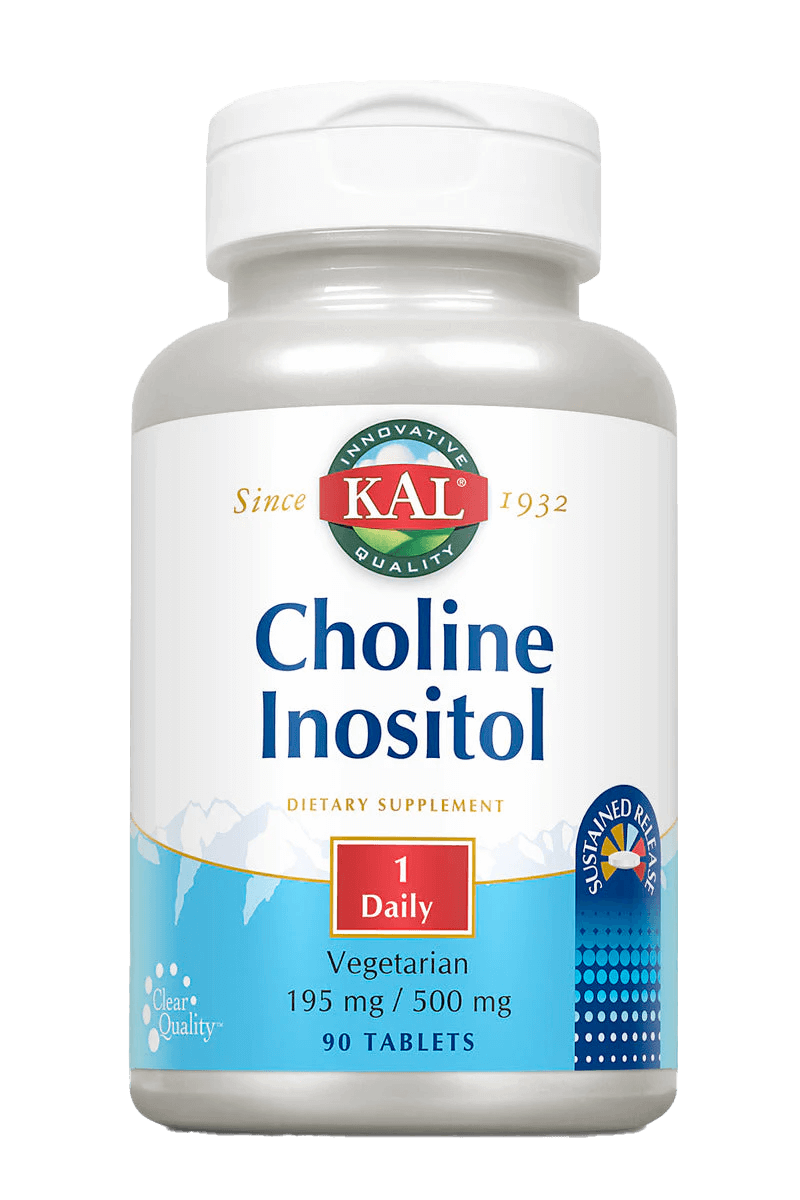
**Choline** at 250 mg puts you in the middle of the supplemental range (100–500 mg) for supporting brain function and liver health. Most people fall short of the 550 mg adequate intake from diet alone, so if you're not eating eggs or liver regularly, this fills a real nutritional gap.
The **Inositol** side needs a reality check. At 250 mg, you're getting roughly 6–12% of the 2,000–4,000 mg dose used in clinical trials for mood and hormonal support. That's not enough to deliver the benefits inositol is studied for — treat this as a choline supplement with a token amount of inositol.
Choline bitartrate is a basic form that covers general needs, though it doesn't reach your brain as effectively as forms like Alpha-GPC or citicoline. If cognitive performance is your primary goal, the form of choline matters more than the dose.
BioStacks
Other Ingredients (2)
HypromelloseCapsule
Plant-derived capsule material from cellulose
Stearic AcidLubricant
Saturated fatty acid used as tablet lubricant
How to Take It
Take it anytime
Take it with food — the choline in it is what makes this kind of product feel nauseating on an empty stomach.
With food
On the label
Suggested Usage: Take 1 capsule daily, preferably with a meal.
General guidance based on the ingredients, not a substitute for the label or your doctor.
Price Check
No price yet
What 61 choline supplements cost
Track this supplement in your stack
Get personalized insights, interactions, and coverage recommendations.
Get Started FreeSimilar Supplements
Sources & Scoring
Nutrient data (RDA, UL, and safety thresholds) sourced from the NIH Office of Dietary Supplements and the National Academies Dietary Reference Intakes (DRI).
This is not medical advice. Consult a healthcare provider before making changes to your supplement routine.
The score analyzes what's on the label: ingredient doses vs. studied ranges, chemical forms, evidence levels, and known interactions. It does not verify label accuracy or test for contaminants — for that, look for third-party certifications like USP or NSF.