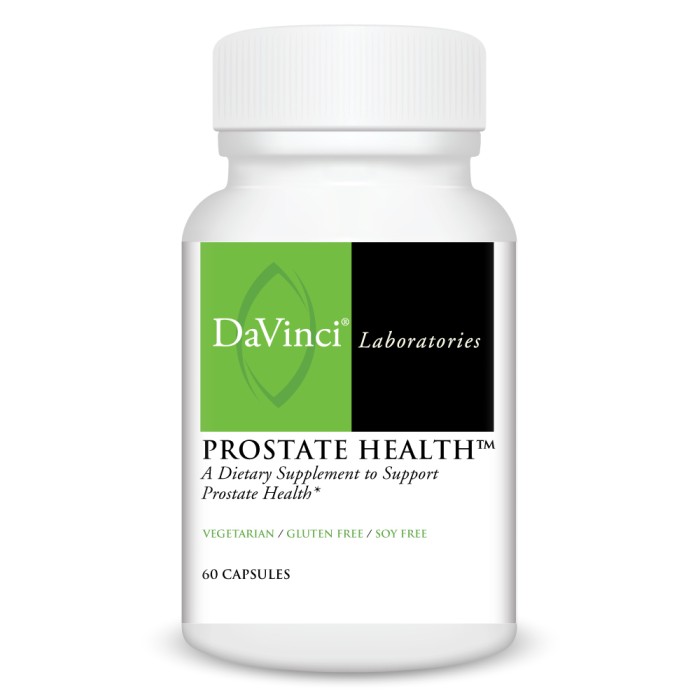
Your core prostate-support ingredients here are dosed to match what the research actually used. **Saw Palmetto** at 320mg hits the full clinical dose from BPH studies, **Pumpkin Seed Oil** at 1,000mg reaches the top of its studied range, and 850mg of **Phytosterols** (including beta-sitosterol) rounds out the foundation. These three ingredients carry the formula.
You're also getting **Stinging Nettle Root** at 240mg, which falls just short of the 300mg clinical minimum, and supporting antioxidants like **Lycopene** (10mg, at the studied threshold), **Zinc** in a well-absorbed bisglycinate form, and **Quercetin**. The breadth here is genuine — these ingredients have individual research relevance for prostate health.
The weaker spots are the secondary antioxidants. **Curcumin** at 100mg and **Resveratrol** at 10mg are both well below their clinical ranges, so don't expect meaningful anti-inflammatory benefit from those specifically. At these doses, the secondary antioxidants are more of a token presence than a meaningful contribution to your results.
BioStacks
Ingredients (14)
Phytosterols
100%Dose
850 mg
Target
800–3000 mg
Form
—
Zinc
100%Dose
15 mg
Target
15–30 mg
Form
Premium
Pumpkin seed Oil
100%Dose
1000 mg
Target
320–1000 mg
Form
—
Saw Palmetto extract
100%Dose
320 mg
Target
160–320 mg
Form
Budget
Selenium
70%Dose
70 mcg
Target
100–200 mcg
Form
Premium
Nutrition
Calories, macros & sodium.
- Calories10 Calorie(s)
- Total Fat1 Gram(s)
Other Ingredients (7)
BeeswaxCoating
Natural wax produced by honeybees, used as a coating and binding agent in softgels and tablets
GelatinCapsule
Protein derived from collagen, used in traditional capsule shells
CarobFlavor
Roasted powder from carob tree pods, used as a caffeine-free chocolate/cocoa substitute for flavor and brown color
GlycerinHumectant
Sweet-tasting liquid used in soft capsules and liquids
Sunflower LecithinEmulsifier
Non-GMO, non-allergenic emulsifier derived from sunflower seeds
Sunflower Seed OilCarrier
Common vegetable oil from sunflower seeds used as a carrier in softgels for fat-soluble nutrients
Purified WaterSolvent
Water meeting USP specifications used as solvent/vehicle in gummies and liquids
How to Take It
Best taken in the morning
Contains Green Tea Leaf Extract, which is stimulating — keep it to the morning. Take it with a meal containing fat — the vitamin D in it absorbs poorly without one.
With a meal containing fat
Keep it away from iron-rich meals
Space it a couple of hours from Iron and Calcium
On the label
Suggested Usage: Take 3 softgels daily with food.
General guidance based on the ingredients, not a substitute for the label or your doctor.
Price Check
No price yet
What 49 hormones supplements cost
Track this supplement in your stack
Get personalized insights, interactions, and coverage recommendations.
Get Started FreeSimilar Supplements
Sources & Scoring
Nutrient data (RDA, UL, and safety thresholds) sourced from the NIH Office of Dietary Supplements and the National Academies Dietary Reference Intakes (DRI).
This is not medical advice. Consult a healthcare provider before making changes to your supplement routine.
The score analyzes what's on the label: ingredient doses vs. studied ranges, chemical forms, evidence levels, and known interactions. It does not verify label accuracy or test for contaminants — for that, look for third-party certifications like USP or NSF.